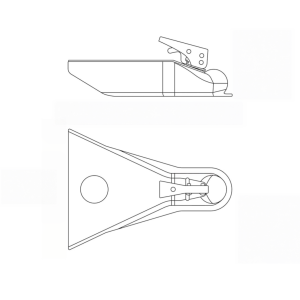
How to Lock a Coupler Latch?
To lock a coupler latch, align on level ground, lower the coupler onto the hitch ball, push the latch until it clicks, then confirm by lifting the jack. A properly

A complete trailer safety checklist provides essential inspection steps to help ensure safer towing operations and reliable trailer performance. This guide covers important checks for trailer hitch connections, couplers, safety chains, lights, tires, cargo securement, and towing accessories before and during transportation. By following proper inspection procedures, trailer owners, operators, and businesses can reduce potential risks, prevent common towing issues, and improve overall road safety. Whether for daily hauling, commercial transportation, or recreational towing, regular safety checks help maintain secure connections and dependable trailer operation.
A proper trailer safety checklist helps identify potential problems before towing, reducing the risk of connection failures, cargo movement, and equipment issues during transportation. Regular inspections ensure that important components such as the trailer hitch, coupler, safety chains, lights, tires, and cargo securing systems are working correctly before every trip.
Following a complete trailer safety checklist improves towing stability, protects valuable cargo, and helps prevent unexpected failures on the road. Whether for daily hauling, long-distance transportation, or commercial trailer applications, routine safety checks are essential for maintaining reliable trailer performance and improving overall towing safety.
A complete trailer safety checklist before towing helps confirm that all essential components are properly connected and ready for the road. Inspecting the hitch, coupler, safety chains, tires, lights, and cargo securement systems helps reduce towing risks and improve overall safety.
Before towing, make sure the trailer is properly connected to the tow vehicle. Inspect the hitch receiver, ball mount, hitch ball, and coupler to confirm the connection is secure and correctly locked.
The trailer coupler is one of the most important connection points between the vehicle and trailer. Check the latch mechanism, locking device, and safety components before every trip.
Safety chains provide additional protection if the main connection fails. Make sure chains are correctly attached and have enough flexibility for turning.
Proper lighting ensures visibility and communication with other drivers during towing.
Tires and wheel components directly affect towing stability and road safety.
Proper cargo control prevents shifting loads and improves towing stability. The load should be evenly distributed and secured with suitable tie-down equipment.
Long-distance towing requires more preparation than short trips because trailers are exposed to extended driving time, changing road conditions, and continuous vibration. A complete trailer safety checklist helps ensure that all towing components, connection points, and cargo securing systems remain reliable throughout the journey.
Before starting a long-distance trip, drivers should inspect the trailer carefully and perform regular checks during transportation. Paying attention to trailer stability, load conditions, and essential towing equipment can help reduce risks and improve overall towing safety.
Check the trailer hitch, coupler, tires, lights, safety chains, and other key components before departure to ensure everything is properly connected and ready for towing.
Stop after the first few miles to confirm that cargo remains secure and that tie-down straps or cargo control equipment have not loosened during transportation.
Pay attention to unusual trailer sway, vibration, or handling changes while driving. Proper load distribution and secure connections help maintain better towing control.
Keep necessary trailer accessories such as hitch locks, hitch pins, tie-down straps, and emergency tools available for unexpected situations during long-distance travel.
The right trailer safety equipment plays an important role in secure towing operations. Reliable accessories such as hitch locks, coupler locks, hitch pins, safety chains, and cargo control products help maintain stable connections and protect trailers during transportation.
Reliable trailer locks help protect towing connections and prevent unauthorized trailer movement.
Durable hitch pins and clips secure ball mounts and hitch accessories during towing.
Quality cargo control solutions help keep loads stable and prevent movement during transportation.
Supporting accessories improve towing safety, compatibility, and overall trailer performance.
Performing a trailer safety checklist before every trip helps identify potential issues before they become problems. Regular checks of towing connections, trailer components, and safety accessories ensure better reliability and safer performance for different towing applications.
| Inspection Item | Check Point |
| Hitch Connection | Confirm Secure Attachment |
| Coupler Lock | Ensure Locking System Works |
| Hitch Pin | Verify Proper Installation |
| Safety Chains | Check Secure Connection |
| Lights | Test All Signals |
| Tires | Check Pressure And Condition |
| Cargo | Confirm Secure Loading |
| Accessories | Inspect Locks And Hardware |
Explore the latest trailer safety tips, towing guides, and maintenance insights to help improve towing performance and prevent common trailer issues. Our articles cover practical advice on trailer inspections, hitch connections, cargo security, and essential trailer accessories to help drivers and trailer users maintain safer and more reliable towing operations.

To lock a coupler latch, align on level ground, lower the coupler onto the hitch ball, push the latch until it clicks, then confirm by lifting the jack. A properly

A practical trailer coupler maintenance checklist covers five essential steps: pre‑trip inspection, proper greasing, wear‑and‑damage inspection, scheduled upkeep and towing safety rules. Improper coupling ranks among the most dangerous towing

Proper winching vehicle setup forms the core foundation of every safe vehicle recovery operation. Operators must first make a plan and establish clear communication before starting. Drivers position the rescue

The 80% towing rule sets an important safety guide for drivers. You can tow safely by keeping your total trailer weight under 80 percent of the vehicle’s maximum limit. Car

With regular proper maintenance, high-quality hitch balls can deliver dependable service for many years. Under normal operating conditions, their service life generally falls between 5 to 10 years, or 75,000

Safety data shows 50,000 trailer hitch crashes happen yearly. Drivers keep roads safe with simple care steps. Taking care of a strong FTrade trailer hitch ball needs simple work. Clean
Before towing, inspect the hitch connection, coupler lock, safety chains, lights, tires, and cargo security to ensure the trailer is ready for operation.
A trailer safety inspection should be performed before every towing trip, especially before long-distance transportation or heavy loads.
Trailer hitch locks help secure towing connections and reduce the risk of unauthorized removal or trailer separation.
Use proper cargo control equipment, including tie-down straps and securing accessories, to prevent cargo shifting during transportation.
Essential safety accessories include hitch locks, hitch pins, coupler locks, cargo straps, and other towing hardware.
We will reply you within 12 hours and we never spam
Let’s bring your vision to life