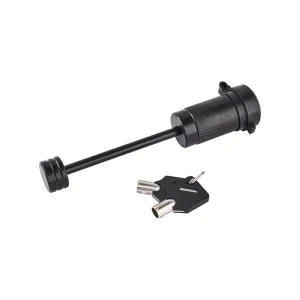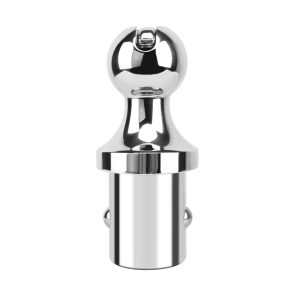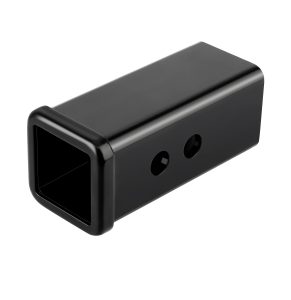
With regular proper maintenance, high-quality hitch balls can deliver dependable service for many years. Under normal operating conditions, their service life generally falls between 5 to 10 years, or 75,000 up to 100,000 miles. That said, prolonged exposure to harsh weather, constant heavy-duty towing, and neglected routine cleaning will speed up wear and tear. A worn hitch ball poses severe safety risks on the road. Progressive structural fatigue may lead to unexpected trailer separation when travelling at highway speeds.
Towing operators should carry out regular inspections on the complete hitch assembly. Consistent checks help avoid sudden component failure. Apart from the main hitch frame, all smaller towing hardware also needs examination to maintain a solid connection. Timely replacement of damaged parts protects your cargo, improves tow vehicle stability, and keeps your trailer secure on every haul.
Key Takeaways
- Standard hitch balls last 5 to 10 years or up to 100,000 miles under regular use.
- Solid hot-forged steel hitch balls outperform low-cost cast alternatives in structural strength.
- Heavy-duty hitch grease cuts metal friction and protects towing hardware against rust formation.
- Routine safety inspections allow you to spot cracks, loose nuts and flat wear spots on the ball surface at an early stage.
Lifespan of Trailer Hitch Balls
Expected Service Life and Mileage
Many operators tow loaded trailers day in and day out. Standard hitch balls carry a service life rating of 5 to 10 years under regular use. However, age alone cannot accurately reflect actual wear conditions. Continuous heavy loads place persistent stress on metal components; long-distance travel creates constant friction, while rough road surfaces generate ongoing vibration.
Industry best practice recommends replacement once mileage reaches 75,000 to 100,000 miles.
Sustained heavy towing gradually weakens metal structures. Downward pressure from the trailer coupler, impact loads triggered by hard braking, torsional stress from sharp turns and shifting tongue weight all add extra strain to the assembly. Degraded hardware compromises vehicle handling stability. Corrosive working environments accelerate metal deterioration. For fleets running heavy towing operations, wear limits will be reached far sooner.
Routine inspections detect subtle surface defects, and proper maintenance preserves structural integrity. Tracking mileage is a more reliable benchmark than counting service years. Proactive part replacement prevents dangerous incidents on highways. Precise mounting alignment also helps reduce overall stress on metal components.
| Service Factor | Standard Timeframe | Recommended Action |
|---|---|---|
| Calendar Age | 5 to 10 Years | Inspect metal surfaces visually |
| Travel Distance | 75,000 to 100,000 Miles | Execute scheduled replacement |
Forged Steel vs Cast Construction
Manufacturing methods directly determine the overall strength of hitch balls. Many budget options adopt cast metal construction. During casting, molten metal is poured into moulds, which often leaves tiny air voids trapped inside the material. Hollow designs remove internal material and create hidden weak zones. Heavy road shocks can easily propagate cracks starting from these voids, making cast parts vulnerable to sudden breakage.
Solid hot-forged steel delivers far better structural performance. Hot forging reshapes steel under high temperature and compression. This process aligns internal grain patterns along the shank, greatly boosting tensile strength and resistance against road impact loads.
Solid hot-forged steel arranges internal grain structures to resist metal fatigue under sustained heavy loads.
Well-designed components bring obvious safety advantages. All FTrade trailer hardware is built with hot-forged steel. Hot forming eliminates internal micro voids. These solid units stand up to demanding daily operations and resist cracking under stress, helping operators prevent unexpected hardware failure.
Forged steel supports reliable highway towing, and consistent maintenance further extends service life. Heavy-duty towing applications always require solid steel hardware. Sound engineering safeguards every haul. Safe towing begins with robust components.
Key Factors Affecting Hitch Ball Longevity
Towing Weight and Load Limits
Continuous overloading accelerates wear on towing equipment. When a hitch ball operates under loads exceeding its official rating, components endure forces beyond design limits, which gradually triggers metal fatigue.
Overloaded towing creates major safety hazards:
- Initiation of microscopic damage: Working above the Gross Trailer Weight rating subjects the hitch ball to abnormal stress, generating stress fractures and metal fatigue in critical structural areas.
- Magnified dynamic loads: Hard acceleration or emergency braking transfers extreme impact loads to an overstressed hitch ball.
- Catastrophic structural failure: Long-term overloading weakens the assembly step by step. In severe cases, the shank may shear off completely, resulting in full trailer detachment.
Friction and Insufficient Lubrication
Metal-to-metal contact produces significant friction while travelling. The trailer coupler rotates continuously over the spherical surface whenever the vehicle runs over bumpy roads. Operators should apply adequate hitch grease to minimise surface abrasion.
Dry operation speeds up surface degradation. Unlubricated metal generates excessive heat during long-distance hauls. Regular lubrication protects the entire towing assembly against mechanical abrasion.
Road Salt and Environmental Corrosion
Moisture and road chemicals gradually wear down protective surface coatings. Rain, mud and winter de-icing agents strip rust-resistant finishes over time. Oxidation forming beneath outer coatings weakens the solid hitch shank.
Corrosion attacks critical threads and mounting hardware under the base of the ball. Deep rust pits reduce structural strength under heavy loads. Consistent maintenance avoids premature hardware failure caused by environmental exposure.
When Should You Replace Your Hitch Ball?

Signs You Need Replacement
Towing hardware withstands extreme stress at highway speeds. Check components for visible metal damage and address structural defects right away. Cracks, rust pits and peeling chrome plating slowly erode steel strength.
While inspecting the hitch ball, do not overlook associated hardware including the trailer coupler, ball mount and drop hitch. Damaged auxiliary parts lead to loose, unsafe connections.
- Internal cracking: Fine fractures reduce overall structural integrity and safety margins
- Metal fatigue: Heavy loads cause permanent deformation in solid steel
- Deep rust pitting: Moisture erodes base material under surface coatings
- Chrome peeling: Exposed bare steel develops corrosion rapidly
- Stripped shank threads: Damaged threads lose all clamping force
Scheduled inspections prevent mid-trip failure. Early detection of wear protects valuable trailers and cargo.
Deformation and Thread Damage
The shank absorbs heavy impact during hard braking. Loose mounting nuts represent major hazards. Insufficient torque allows fasteners to back off, while over-torquing strips threads and disrupts internal metal grain structure.
Always adhere to specified torque values to avoid thread damage. The table below shows standard torque requirements for common shank diameters:
| Shank Diameter | Required Torque Rating |
|---|---|
| 3/4 inch | 160 ft-lbs |
| 1 inch | 250 ft-lbs |
| 1-1/4 inch | 450 ft-lbs |
General towing setups require a minimum torque of 250 ft-lbs for safe operation. Bent threads stop nuts from engaging properly. Any unit with stripped threads must be replaced immediately. Discard all hardware featuring bent shanks or damaged threads. Recheck shank torque regularly to avoid trailer separation.
Surface Wear and Flat Spots
Friction removes material gradually over extensive towing mileage. Constant grinding from the trailer coupler creates flat areas on the sphere, breaking its round profile. Material loss creates excessive clearance inside the coupler. This sloppy fit leads to rough operation and noticeable vibration.
| Surface Condition | Visual Indicator | Mechanical Effect |
|---|---|---|
| Normal State | Smooth Uniform Sphere | Firm Coupler Engagement |
| Severe Distortion | Asymmetrical Flat Spots | Loose Fitting and Excessive Play |
Service technicians frequently measure ball diameter from multiple sides. Material loss lowers the safe maximum load capacity. Deep flat spots allow couplers to pop loose over bumps. Loose connections can cause complete trailer separation. Timely replacement restores tight, safe fitting. Quality grease reduces friction and prolongs component service life.
Inspecting and Maintaining Hitch Balls
Checking Shank Torque and Nuts
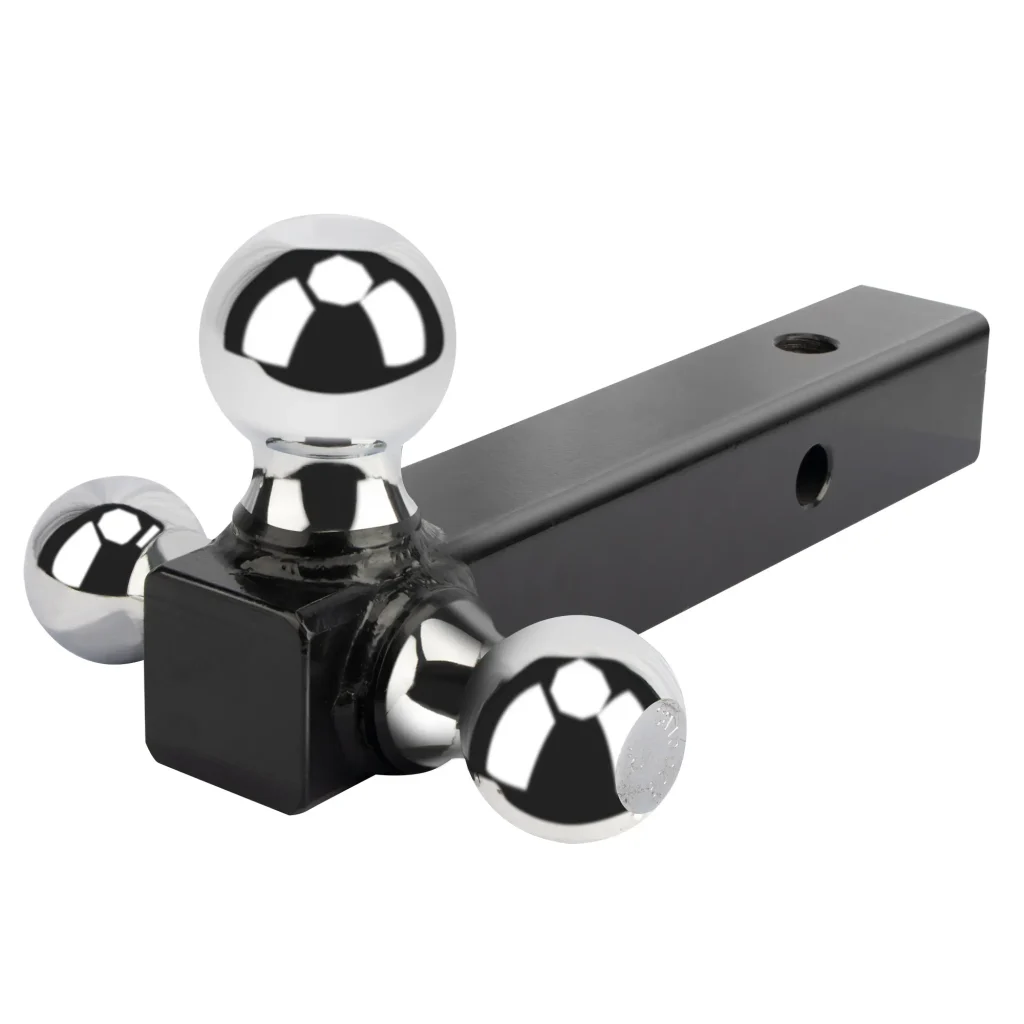
Inspect all fasteners before every trip. Loose nuts lead to unwanted movement within the ball mount. Service technicians use torque wrenches to verify tightness. Properly secured fasteners spread heavy load stress evenly. Good maintenance keeps large trailers stable on public roadways.
Required torque varies with shank size: 160 ft-lbs for a 3/4 inch shank, 250 ft-lbs for a 1 inch shank, and 450 ft-lbs for a 1-1/4 inch shank. Periodic torque checks protect threads and maintain structural strength. Correct clamping force locks hardware firmly onto the vehicle frame.
Applying High-Performance Grease
Friction damages unprotected steel during towing. Spread a layer of grease evenly across the hitch ball surface. This lubricating film eliminates direct steel contact and prevents heat build-up on long journeys.
Fresh grease forms a barrier against water and road salt. Salt and mud accelerate corrosion on bare metal. Grease minimises surface wear and preserves the integrity of the underlying steel.
Measuring Wear with Calipers
Metal wear distorts the spherical shape. Service technicians use digital calipers to take precise measurements. Material loss opens up clearance inside the coupler, and reduced ball diameter worsens handling during turns.
A noticeable drop in diameter signals the need for replacement. New hardware restores secure coupling. Regular measurement checks help avoid accidental trailer detachment.
Choosing the Right Heavy-Duty Towing Hardware
Shank Diameter and Weight Capacity
Match hardware ratings to your trailer weight. Light utility trailers weigh roughly 2,000 lbs, while large gooseneck trailers can reach up to 30,000 lbs. A 5/8 inch shank fits light equipment towing, and a 1-1/4 inch shank handles maximum-weight loads. Proper sizing prevents sudden metal failure.
Take precise measurements of all mounting points. The shank should fit the mounting hole with minimal clearance. Excessive play generates harsh shock loads during braking. Adequate shank length accommodates lock washers, and intact threads secure your cargo safely.
| Shank Diameter | Weight Rating | Typical Application |
|---|---|---|
| 5/8 inch | 2,000 lbs | Light utility towing |
| 3/4 inch | 3,500–5,000 lbs | Standard boat towing |
| 1 inch | 6,000–12,000 lbs | Heavy equipment hauling |
| 1-1/4 inch | Up to 30,000 lbs | Gooseneck towing operations |
Types of Hitch Balls and Finishes
Uncoated bare steel rusts quickly. Manufacturers apply surface finishes to resist damp conditions. Chrome plating prevents deep metal scratches. Black powder coating offers good protection against mud and salt. Stainless steel withstands heavy saltwater corrosion in coastal areas.
As a trusted supplier of towing hardware, FTrade supplies all these finish options for commercial fleets, with full size coverage matching light-duty to gooseneck heavy-load applications.
Quality hitch balls deliver extended service life. Forged steel prevents hidden internal cracks. Outer coatings shield threads against rust. Buyers must select hitch balls matching coupler dimensions. Correct component selection keeps trailers stable on highways.
Solid hitch balls wear gradually with continuous use. Drivers should frequently inspect every trailer connection. Watch out for cracks, rust pits and damaged threads. Replacing worn parts at low cost avoids dangerous highway failures. Consistent maintenance protects heavy trailer cargo on long journeys. Check nut tightness with proper tools before departure. Fresh grease cuts friction on the ball surface. Replace damaged mounting components without delay. Form this good habit to keep your trailer securely coupled. Early replacement of aged components prevents unexpected breakdowns on the road.
Whether you need standard hitch balls or heavy-duty gooseneck balls for pickup truck towing, FTrade provides fully rated, forged towing hardware built to meet rigorous highway towing demands for wholesalers and fleet operators.
FAQ
How often should drivers replace a trailer hitch ball?
Plan a swap after 75,000 miles. 100,000 miles is also the limit. Normal parts last 5 to 10 years. Bad wear needs quick fixes. Fix deep rust right away. Damaged threads are very unsafe. Quick changes keep roads safe.
What torque rating secures a solid steel shank?
Shank size sets the needed torque. A 3/4 inch shank needs 160 ft-lbs. A 1 inch shank needs 250 ft-lbs. A 1-1/4 inch shank needs 450 ft-lbs. Correct tightness stops loose parts during trips.
Why does hot-forged steel offer superior strength?
Hot forging shapes red-hot steel. It lines up inner grain paths. This process removes trapped air bubbles. So, forged steel resists hard wear. It handles heavy road bumps easily.
How does grease protect a hitch component?
Thick grease stops harsh metal rubbing. This lube cuts down friction fast. It keeps metal cool while towing. Grease blocks water from raw steel. Regular care makes hardware last longer.