Expertise note: The guidance below reflects two decades of in-house forging, CNC machining, and salt-spray testing at our Ningbo trailer-hardware factory, FTrade (ISO 9001 / SAE J684 certified). It is safety engineering, not a sales pitch.
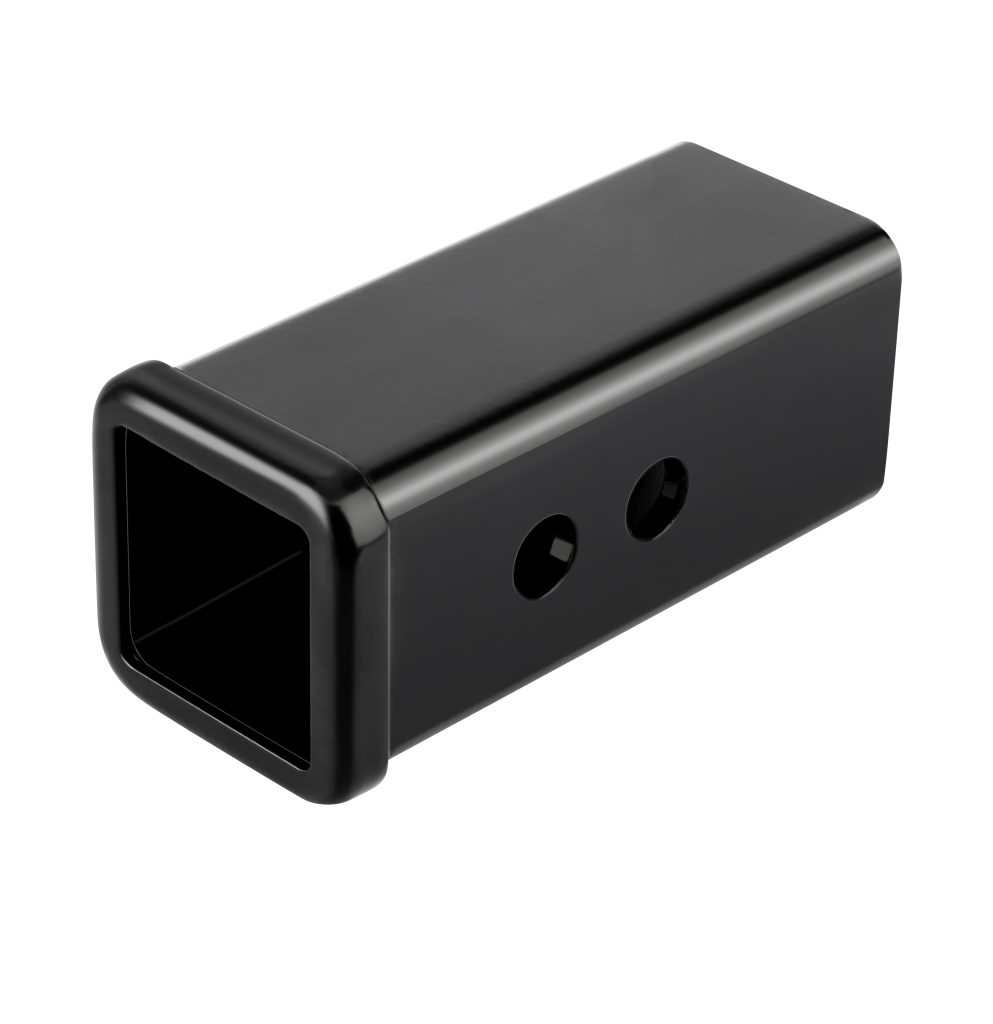
A hitch reducer sleeve is safe when it is sized to your receiver, seated fully, and torqued to spec. The sleeve is a passive metal adapter that lets a smaller ball-mount shank ride inside a larger receiver opening — for example a 2-1/2″ shank inside a 3″ receiver — without lowering your towing capacity or tongue weight. If you tow several trailers, it saves you from swapping whole hitches. We machine these adapters in-house and salt-spray the finish past 500 hours, so the real question is fit and rating, not the sleeve itself. This guide covers what a reducer sleeve does, whether it changes towing capacity, and how to install one correctly.
What Is a Hitch Reducer Sleeve and How Does It Work?
Definition and common uses
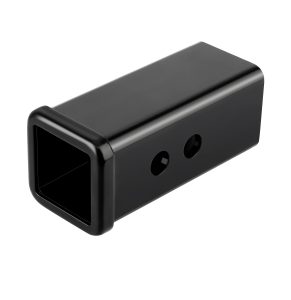
A hitch reducer sleeve is a short steel or aluminum collar that fills the gap between a receiver tube and a smaller ball-mount shank. A 2″ shank drops into a 2-1/2″ receiver only with a sleeve in place; without it the shank rattles, wears the receiver, and can deform under load. Drivers who switch ball mounts between boats, campers, and utility trailers keep one sleeve in the kit for that flexibility. The sleeve also shields the receiver from metal-on-metal wear and keeps the connection quiet on the road.
How it sits in the towing system
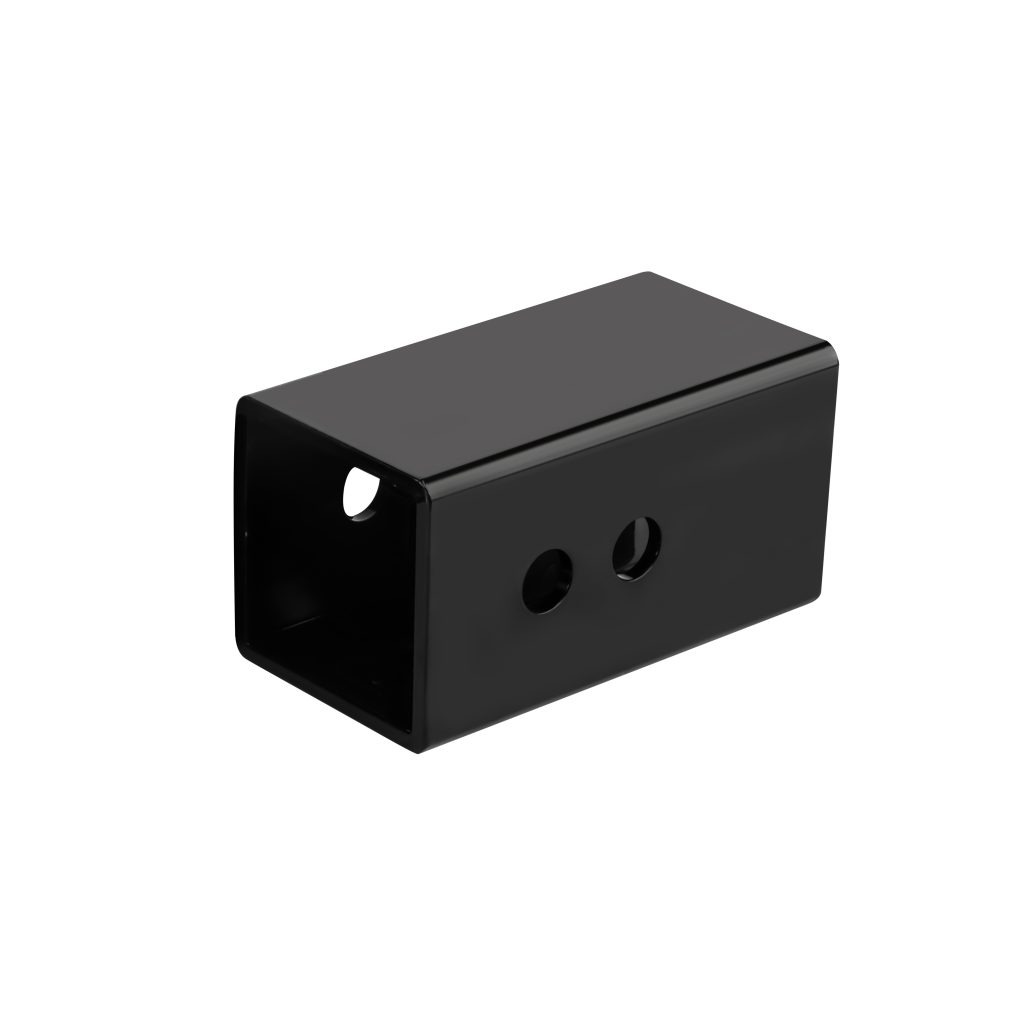
The sleeve slides into the receiver and lines up with the pin holes, then the ball mount slides into the sleeve. Because it transfers load straight from the shank to the receiver wall, the sleeve changes nothing about strength — the receiver class still sets the limit. A precisely machined fit removes side-to-side play; a loose one does the opposite. That is why dimension control matters more than the brand stamped on the part, and why a precision manufacturer holds the bore to tight tolerances for a stable, rattle-free tow.
Does a Hitch Reducer Sleeve Reduce Towing Capacity?
No. A reducer sleeve is a passive adapter: it adds no load and removes no strength, so it cannot raise or lower the hitch rating. The receiver class — stamped on the part — decides the limit, and a sleeve simply closes a size gap.
Tow ratings by hitch class
The table shows how the class, not the sleeve, sets the ceiling. A Class IV receiver rated at 10,000 lb keeps that rating with or without a sleeve inside it.
| Hitch Class | Receiver Size | Gross Trailer Weight (GTW) |
| Class I | 1.25″ | up to 2,000 lbs |
| Class II | 1.25″ / 2″ | up to 3,500 lbs |
| Class III | 2″ | up to 8,000 lbs |
| Class IV | 2″ | up to 10,000 lbs |
| Class V | 2.5″–3″ | 12,000–20,000+ lbs |
Why the sleeve does not change capacity
A reducer differs from a hitch adapter or extender. An extender cuts tongue-weight capacity roughly in half (a 1,000 lb rating becomes 500 lb), and a rise/drop adapter adds bending load under the same tongue weight. A sleeve does neither — it only closes a size gap. As one major hitch maker states, a receiver reducer sleeve does not reduce tongue weight or towing capacity the way an adapter does. Our 2-1/2″ to 2″ reducer sleeve is machined to match the receiver bore so the shank stays centered and the connection stays stable. The lowest-rated part always wins: a Class IV hitch paired with a 7,500 lb ball caps the setup at 7,500 lb, sleeve or not.
How to Install a Hitch Reducer Sleeve Safely
Prepare the receiver and insert the sleeve
Start by cleaning the receiver tube — rust or grit stops the sleeve from seating fully. Wipe inside with a rag; a wire brush clears stubborn rust. Slide the sleeve in until its holes line up with the receiver pin holes; the fit should feel snug, not loose. A quality sleeve from a precision manufacturer holds tight tolerances so the connection stays stable. If it wobbles, it is the wrong size — do not force it, and never tow with a loose fit.
Secure the ball mount and check fit
Insert the ball mount shank into the sleeve and align every pin hole, then drive the hitch pin through with its clip. Tighten any anti-rattle bolt to the supplier’s torque spec; a loose pin can walk out on the highway and create a serious hazard. Grab the ball mount and try to move it — a correct setup shows almost no play. Carry a spare pin, inspect the sleeve for cracks before each trip, and replace any bent part. At FTrade, our factory supplies these sleeves to wholesale buyers and OEM/ODM programs with batch inspection records and SAE J684 documentation.

A hitch reducer sleeve is safe when it fits, is torqued, and stays within the hitch and vehicle ratings. Pick the size that matches both the receiver and the shank, respect the class stamp on the part, and check the fit before every trip. With the right part, the sleeve only makes a smaller accessory fit a larger receiver — the rating never moves, and the tow stays secure.
Quick answers
Will a reducer sleeve lower my towing capacity?
No. The receiver class sets the rating, not the sleeve. A Class IV hitch keeps its 10,000 lb rating with a sleeve installed; the sleeve only fills a size gap.
Where can I buy a quality reducer sleeve?
A reputable manufacturer or supplier offers sleeves machined to tight tolerances. A custom factory that specializes in precision forging and CNC produces durable adapters; buy from a trusted source and confirm the sleeve matches both the receiver and the shank exactly.