By the FTrade towing-hardware engineering team — forged and cast towing parts built in Ningbo for OEM and wholesale buyers since 1998.
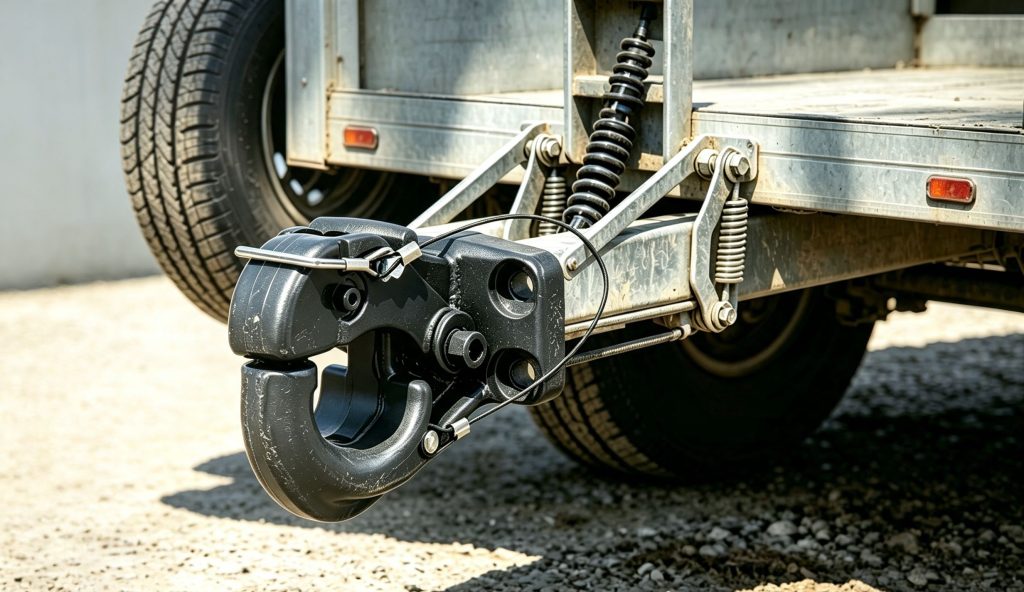
Yes — but not for every job. In 2026 many tow trucks still carry a truck hook for fast pulls, and pickup owners still bolt forged tow hooks onto the front of their rigs. What changed is how the work is split. Hook-and-chain trucks now handle quick parking-lot pulls, repossessions and off-road recovery, while wheel lifts and flatbeds take most highway breakdowns because they protect the frame. Hooks never disappeared; they narrowed to the jobs where a direct, high-strength attachment point beats a gentle cradle. Demand is easy to read from the catalog: a tow hooks and off-road recovery manufacturer still ships these parts in volume tells you the demand is real. This guide covers where hooks win, where they lose, and how to spec one.
Key takeaways
- Tow hooks still handle quick pulls, repossessions and off-road recovery.
- Wheel lifts and flatbeds take most highway breakdowns to protect unibody frames.
- Forged steel hooks mounted to the frame carry heavy loads without bending.
- Hooks stay legal in 2026, but operators must follow safety training.
The Truck Hook in 2026: Still Common for Quick Tows
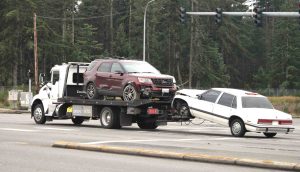
The truck hook did not disappear — it found a narrower purpose. In 2026, hook-and-chain trucks still handle illegal-parking removal, quick breakdown pulls and repossession work, because these jobs reward speed: a driver can hook a vehicle and move it in minutes.
Hook-and-chain trucks in daily operations
In many cities, operators use hook-and-chain trucks for parking enforcement. When a car blocks traffic or sits in a private spot, the driver hooks a sturdy point, lifts one end and clears the scene faster than positioning a flatbed. Repossession work leans on hooks too, because a hook truck reaches a vehicle in a tight driveway where a flatbed cannot fit.
Tow hooks for pickup trucks: a standard feature
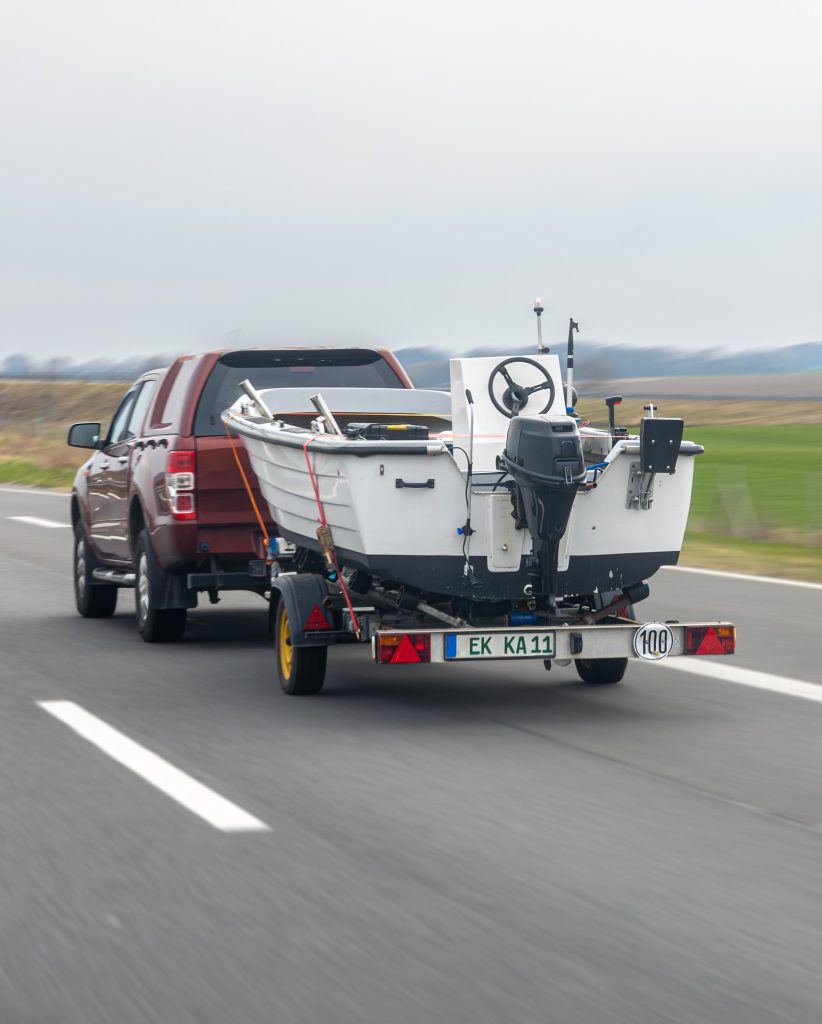
Tow hooks for pickup trucks come from the factory on many off-road trims. A 2026 RAM 1500 Rebel, for example, ships with tow hooks as standard recovery equipment, paired with a raised ride height and underbody skid plates. Those hooks give owners a rated attachment point for a strap or winch line when the truck bogs down in mud or sand. Aftermarket options exist for trucks without factory hardware, and most bolt directly to the frame. As a pintle hitches and hooks supplier, we see steady demand for both factory-style and heavy welded versions.
Why Modern Towing Often Replaces Hooks
Safety and damage concerns drive the change
Modern towing methods cut damage risk on most passenger vehicles. A hook can stress a unibody frame in ways that trigger costly repairs, so insurers often prefer wheel lifts and flatbeds — they lower the chance of a claim after a tow. A chain-and-hook system still works well on older steel frames; newer cars use thinner metal and integrated bumpers, where a hook may pull on a part never designed for that load.
Wheel lifts and flatbeds take over
Wheel lifts and flatbeds handle most roadside jobs. A wheel lift cradles the tyres; a flatbed carries all four wheels off the ground. Both protect the frame and suspension from stress. They cost more to buy and run, but they cut liability, so fleets keep shifting toward them while hooks serve quick pulls.
The table below shows where each towing method still makes sense:
| Method | Best for | Frame stress | Typical job |
| Hook and chain | Fast, short-distance pulls | High on unibody | Parking removal, repossession |
| Wheel lift | Tight spaces, short tows | Low | Urban breakdown, lot moves |
| Flatbed | Highway breakdowns, long tows | Lowest | Accident recovery, long haul |
When Frame-Mounted Forged Steel Tow Hooks Excel
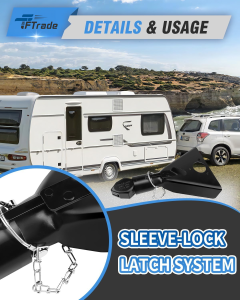
Not every recovery job works with a wheel lift or a flatbed. Some need a direct, strong attachment point on the vehicle itself, and that is where frame-mounted forged steel tow hooks earn their keep. Owners who want daily recovery readiness often pair them with a trailer hitches and ball mounts setup, so the ball, mount and hook share one receiver.
Heavy-duty recovery and off-road use
Off-road driving takes a vehicle where no tow truck can go. A driver stuck in deep mud needs a reliable pull point, and forged steel supplies it: forged metal resists bending under extreme force, where a casting may crack under the same load. Every hook carries a safe working load, the most force it can take without failing, and a driver must never exceed that rating. A frame-rated point also spreads force across the frame rails, lowering the risk of damage during a hard pull. Pickup owners also value them: one truck can recover another without waiting for a tow truck.
Commercial fleets and how to source them
Commercial fleets depend on frame-mounted forged steel hooks for tough, repeated work. Utility trucks, wreckers and construction vehicles face daily strain, and a chain-and-hook system still serves those heavy machines because the frame carries the load while the hook transfers force without flex. On the FTrade production floor, every forged hook is proof-tested to the SAE J684 towing standard and finished with a 500-hour salt-spray coating, and each shipment passes a pre-shipment inspection. Buyers can request OEM and ODM programs, flexible MOQ on mixed orders, and custom designs for their market; a factory that also produces the matching tow eyes, pintle hooks and recovery straps can build a complete kit. Wholesale and fleet buyers usually want that matched set.
The hardware below is the kind of hook-towing kit buyers pair together most often:
| Product | Key spec | Typical use |
| Forged receiver-mounted tow eye | Fits 2 in receiver, 10,000 lbs capacity | Frame-rated recovery point |
| Heavy-duty tow eye | 3 in diameter, 14,000 lbs MGTW | Pintle and lunette ring towing |
| Soft shackle | 12 mm x 60 mm rope shackle | Lightweight recovery rigging |
| Tow strap with hooks | 2 in x 8 in, UTV / ATV / truck | Off-road pull recovery |
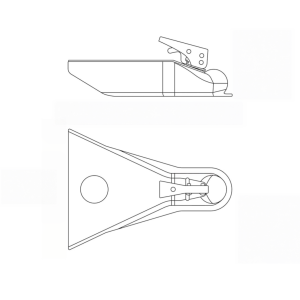
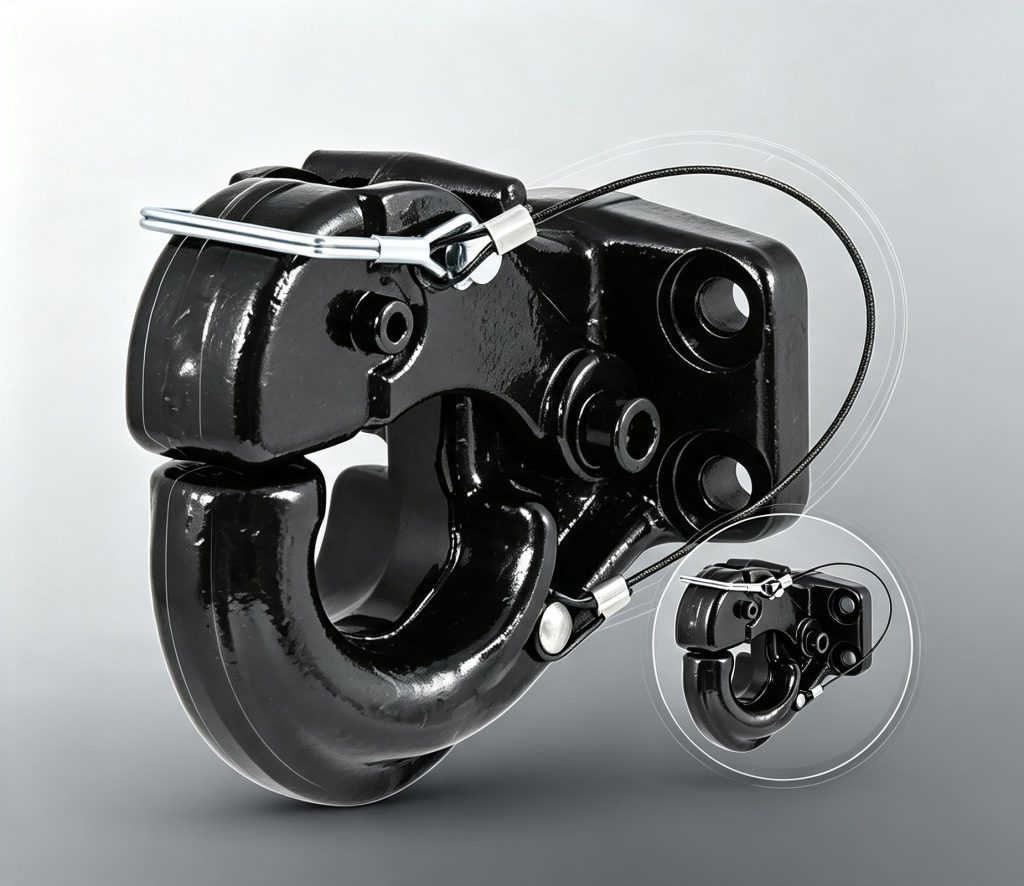
| Pintle hitch and hook | Fits 2 in – 3 in lunette rings | Heavy trailer towing |
Frequently asked questions
Can a tow truck hook hurt my car?
Yes, if it is hooked to a unibody frame. Hooks suit steel frames; for newer cars, wheel lifts are safer.
Are tow hooks still legal in 2026?
Yes — state laws regulate tow companies but do not ban hooks; operators must carry insurance and follow safety training.
Why are forged steel tow hooks better for heavy loads?
Forged steel resists bending where cast metal may crack, and a frame-mounted hook spreads force across the frame rails.
How is a wheel lift different from a tow hook?
It holds the tyres without touching the frame, which lowers damage risk, so most companies pick it for normal towing.
The truck hook is not obsolete; its role narrowed to quick tows, heavy recovery and off-road use. Pickup owners still trust frame-mounted hooks, while wheel lifts and flatbeds handle the everyday jobs. So do tow trucks still use hooks? Yes — when the job calls for one. For brands and fleets sourcing recovery hardware, a wholesale supplier with genuine OEM and custom capability can build a programme around your market.