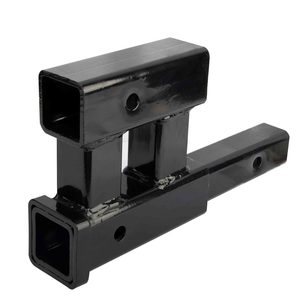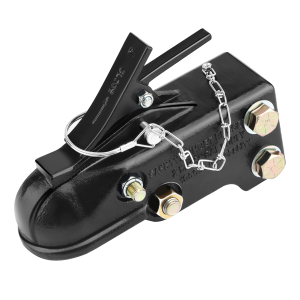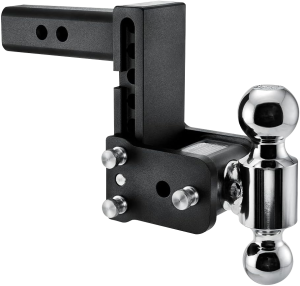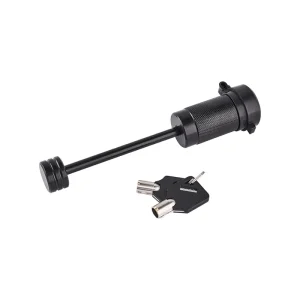
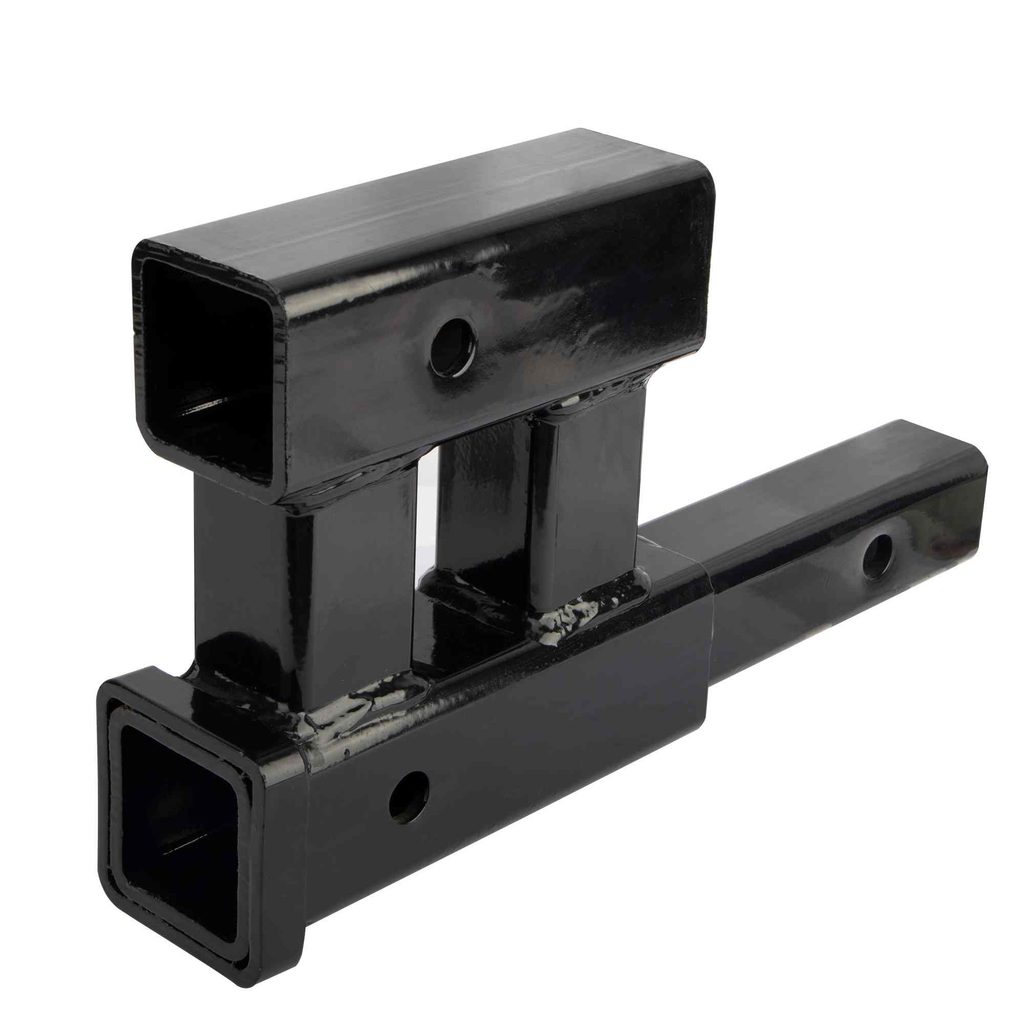
Yes, hitch adapters work reliably — as long as the adapter matches your receiver tube size, carries a load rating suitable for your cargo, and is installed correctly. They solve common fit gaps between a vehicle’s trailer hitch receiver and towing accessories: for example, a reducer sleeve lets a smaller shank fit safely inside a larger receiver opening.
Weight capacity is the most critical factor, followed by fit quality, installation correctness, and local towing regulations. Drivers who measure their receiver first and respect rated limits avoid nearly all common issues. This guide breaks down how adapters work, what types exist, how they affect towing capacity, and how to use them safely.
Key Takeaways
- Hitch adapters work safely when matched to your receiver size and load rating.
- Adapters cannot increase the base weight capacity of your hitch; the weakest component in the chain sets the limit.
- Common types include reducer sleeves, extenders, bumper mounts, dual receivers, and drop/rise adapters, each for a specific use case.
- Always verify weight ratings, inspect the hitch pin before trips, and follow local towing regulations.
How Do Hitch Adapters Work?
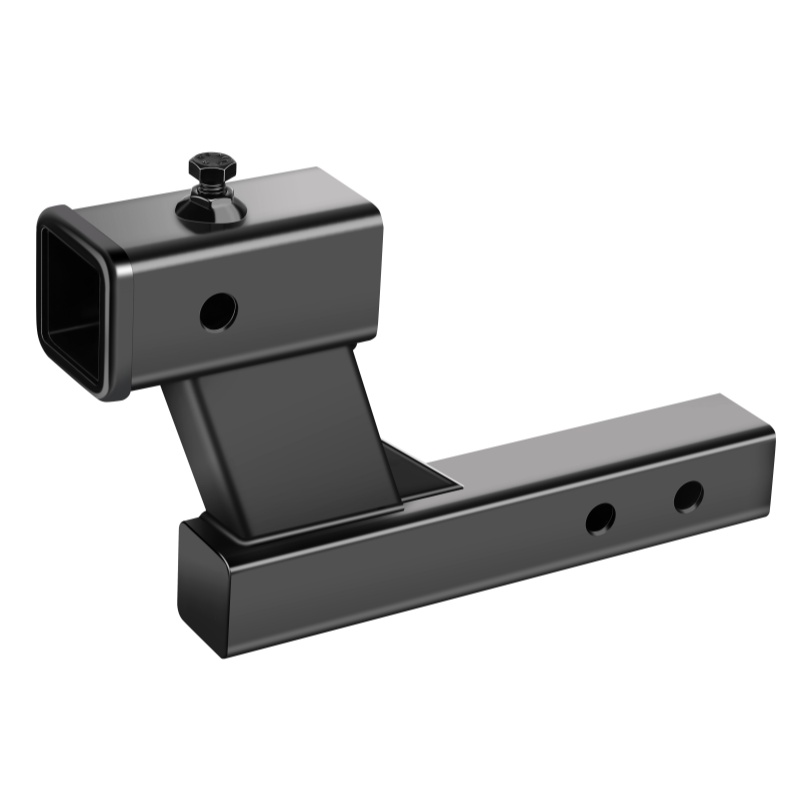
Hitch adapters resolve size or clearance mismatches between a vehicle’s receiver tube and a towing accessory (bike rack, cargo carrier, ball mount, etc.). The adapter slides into the receiver, then accepts the accessory shank on its opposite end. Precision-machined edges and rounded corners make insertion smooth.
A standard 5/8-inch hitch pin passes through aligned holes in both the receiver and adapter, and a clip secures it in place to prevent axial movement. Most major hitch brands follow standardized receiver opening sizes, so adapters fit across manufacturers.
Every adapter has a published weight rating: maximum gross trailer weight (GTW) and maximum tongue weight (the downward force applied to the receiver). These ratings set the safe upper limit for the setup, and they always must match or exceed your total loaded weight.
Common Types of Hitch Adapters & Their Uses
Adapters are built for specific fit problems. These are the most common categories:
1. Reducer Sleeves
Reducer sleeves are hollow inserts that shrink a larger receiver opening to a smaller size. They are the simplest and most common adapter type.
- Typical conversions: 3″ → 2.5″, 2.5″ → 2″, 2″ → 1-1/4″
- Best for: using smaller accessories in a larger factory receiver
- Example: FTrade builds carbon steel reducer sleeves in 3″ to 2-1/2″ and 2-1/2″ to 2″ sizes, plus a 2″ to 1-1/4″ reducer rated for 3,500 lbs GTW.
2. Hitch Extenders
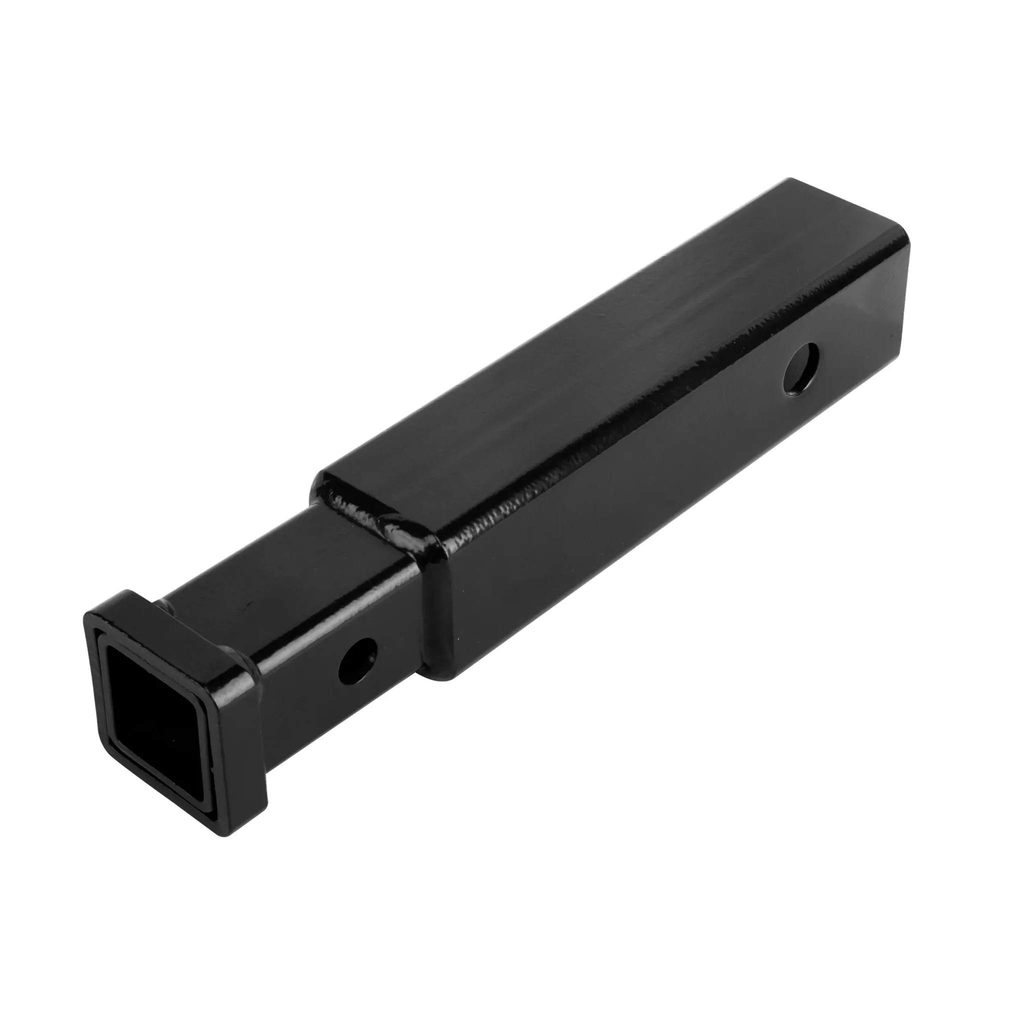
Extenders add length to the receiver tube to push accessories farther from the bumper or spare tire.
- Common lengths: 7″, 12″, and adjustable 2–6″ drop/rise models
- Best for: clearing rear-mounted spares, opening tailgates with cargo carriers, fitting bikes racks on tight bumpers
- Example: FTrade’s 2″ hitch extender is available in 2″, 4″, and 6″ drop/rise configurations with a 7,500 lbs rating; 12-inch extenders work for large cargo boxes.
Important: Longer extenders reduce effective capacity due to leverage. The farther the load sits from the receiver, the more torque it applies to the hitch.
3. RV Bumper-Mount Receiver Adapters
These clamp or bolt onto a 4-inch square RV bumper to create a 2-inch receiver opening.
- Typical rating: ~3,500 lbs GTW for heavy-duty bolt-on models; ~210 lbs total for light-duty clamp-on bike rack use
- Critical note: Most RV bumpers are thin, hollow tubes designed only for light accessories. Heavy towing always requires a frame-mounted hitch, not a bumper adapter.
4. Dual Receiver Adapters
Dual adapters add two mounting points from one receiver, so you can tow and carry a rack at the same time. Typical ratings land around 4,000 lbs GTW.
5. Drop/Rise Receiver Adapters
These adjust ball mount height to keep trailers level when tow vehicles and trailers have different ride heights. They are ideal for drivers who tow multiple trailers of different sizes.
Do Hitch Adapters Reduce Towing Capacity?
Often, yes — and there are two core reasons:
1. The weakest link rule
An adapter can never increase the base capacity of your hitch receiver. The entire setup is limited by the lowest-rated component in the chain: receiver, adapter, pin, or accessory.
For example:
- A Class I 1-1/4″ receiver rated for 2,000 lbs GTW will still max out at 2,000 lbs even with a 3,500-lb 1-1/4″ to 2″ adapter.
- A Class III 2″ receiver rated for 5,000 lbs will drop to the adapter’s rating if the adapter is rated lower.
SAE J684 industry standards define official hitch class ratings:
| Hitch Class | Duty Rating | Max GTW (lbs) | Max Tongue Weight (lbs) | Receiver Size |
|---|---|---|---|---|
| I | Light-duty | 2,000 | 200 | 1¼” |
| II | Medium-duty | 3,500 | 350 | 1¼” |
| III | Heavy-duty | 5,000 | 500 | 2″ |
| III (weight distributing) | — | 6,000 | 750 | 2″ |
| IV | — | 10,000 | 1,000 | 2″ |
| IV (weight distributing) | — | 12,000–14,000 | 1,200–1,400 | 2″ |
| V (weight distributing) | — | 16,000–17,000 | 1,600–2,400 | 2″ / 2½” |
2. Leverage from extenders
Every inch of added length behind the receiver multiplies tongue weight force. As a rule of thumb, a 12-inch extender reduces effective tongue weight capacity by roughly 50%. This is why long extenders are only recommended for light accessories like bike racks, not for heavy towing.
Hitch Adapters vs. Other Towing Solutions
Each tool solves a different problem. Adapters are the simplest fix for size or clearance gaps, but they are not the best choice for every scenario.
| Solution | Best For | Performance Note | Relative Cost |
|---|---|---|---|
| Hitch adapter | Size or clearance mismatches | Preserves the base hitch class rating; reduces capacity with long extenders | Low |
| Adjustable ball mount | Frequent trailer height changes | Keeps trailers level for stable towing | Moderate |
| Weight distribution hitch | Heavy trailers near vehicle max rating | Spreads tongue weight across the tow vehicle frame | High |
For drivers towing multiple trailers of different heights, a drop/rise receiver adapter is a cost-effective middle ground. For trailers near the top of a vehicle’s tow rating, a weight distribution hitch delivers better stability and safety.
Legality
Hitch adapters are generally legal when rated for the load and installed correctly. Specific rules can vary by state, especially for trailer lighting, safety chains, and bumper-mounted setups. Always verify local towing regulations before a trip.
FAQ
Does a hitch adapter reduce towing capacity?
Often, yes. An adapter cannot increase the base rating of your hitch receiver — the weakest component in the setup sets the limit. Long extenders further reduce effective tongue weight due to leverage. Always compare ratings for every part in your setup.
Is it safe to tow on the highway with a hitch adapter?
For moderate loads within rated capacity and with a correctly installed pin, hitch adapters are highway-safe. Anti-rattle clamps improve stability at speed. If you are towing near your vehicle’s maximum rating, upgrading to a properly sized receiver is recommended for peace of mind.
Will any hitch adapter fit my receiver?
No. Adapters are size-specific: a 3″ to 2.5″ reducer only fits a 3″ receiver, and a 2″ to 1-1/4″ reducer only fits a 2″ tube. Always measure your receiver opening before purchasing.
Can a hitch adapter hold a bike rack?
Yes, as long as the adapter’s rating covers the total weight of the rack plus bikes. Light-duty RV bumper adapters are often rated only for ~210 lbs of rack and bikes total. Heavy loads always require a frame-mounted receiver.
Are hitch adapters legal?
Hitch adapters are generally legal when properly rated and installed. Local regulations may apply for specific setups, so check state towing rules before traveling. A rated part, correct pin, and secure installation keep the setup compliant.