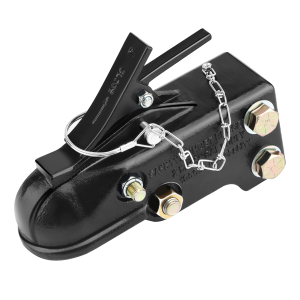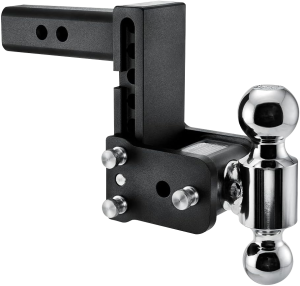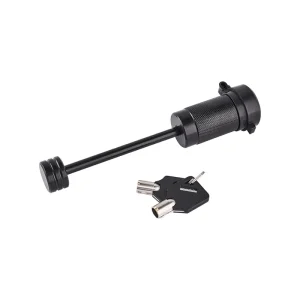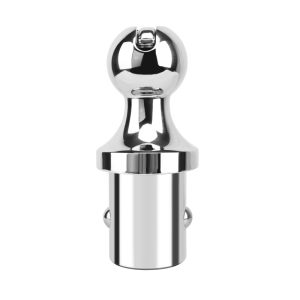
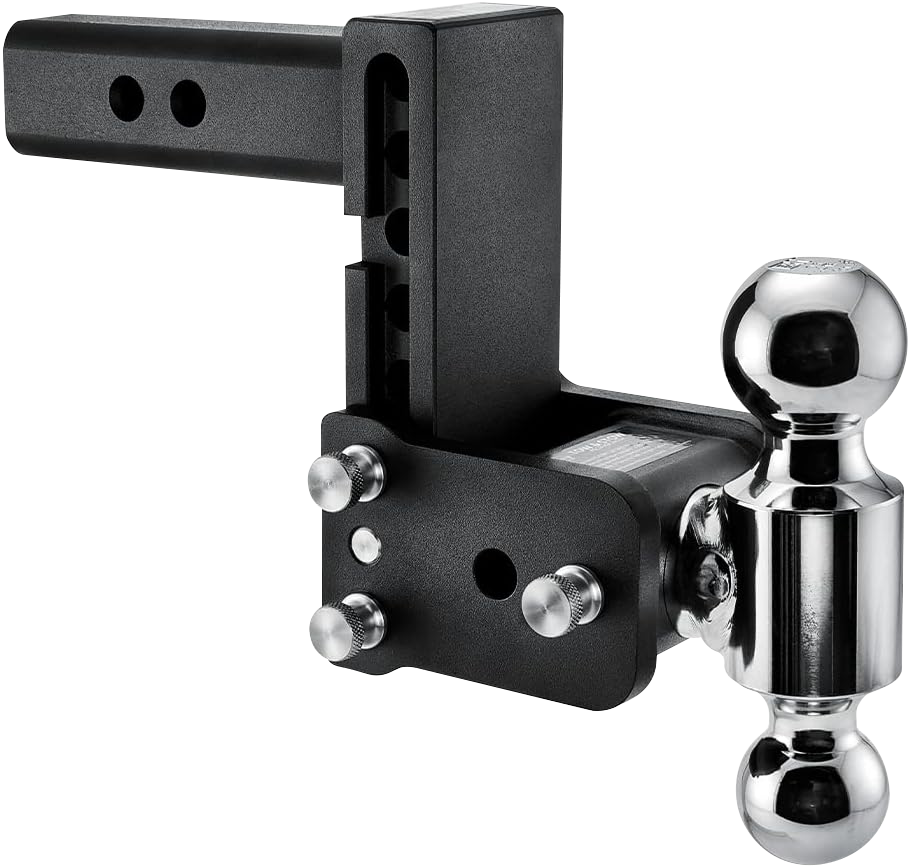
Yes, bolt-on trailer hitches are safe when professionally installed to manufacturer specifications and operated within rated load limits. Their safety depends on proper installation, correct torque, rated hardware, and routine maintenance — not the connection method itself. Well-engineered bolt-on designs meet strict industry standards and deliver reliable performance for everyday towing.
Key Takeaways
- Bolt-on trailer hitches are safe when installed correctly and used within rated load capacity.
- Always use a calibrated torque wrench and grade-rated bolts to maintain a tight, secure connection.
- Check bolt torque regularly — especially after the first trip — as vibration can loosen fasteners over time.
- Bolt-on hitches are ideal for everyday towing and leased vehicles; welded hitches are better suited for heavy-duty and off-road use.
- Inspect routinely for rust and wear, and replace worn parts to maintain safe performance.
How Bolt-On Hitches Deliver Safe Performance
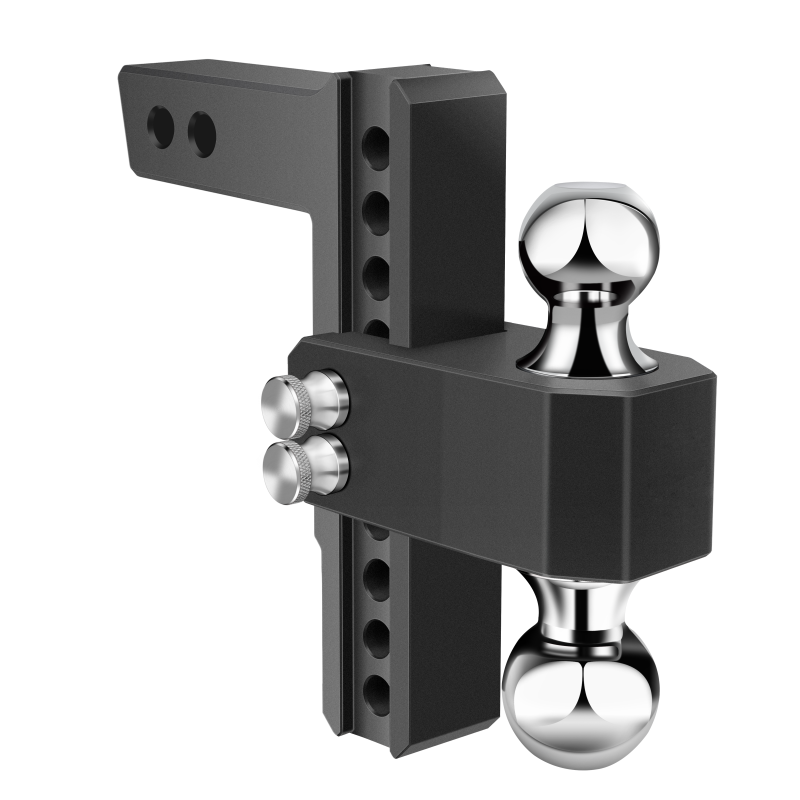
Bolt-on trailer hitches are engineered as complete, tested systems. A trailer hitch manufacturer defines precise mounting points, bolt grade requirements, and torque specifications for each connection. When tightened to spec, the bolt’s clamp load holds the hitch firmly against the vehicle frame, and friction between the mating surfaces carries towing loads. When installed correctly, a bolted joint can match the strength of a welded design for rated loads.
Proper Installation Requirements
Safe performance starts with correct installation:
- Match the hitch to the vehicle: The hitch must align with the vehicle’s frame mounting pattern and be rated for the intended trailer load.
- Fit flush with no gaps: Gaps reduce clamp load and allow flexing under load. Remove all debris between mating surfaces.
- Follow bolt tightening order: Tighten bolts in the sequence specified by the manufacturer for even load distribution.
- Route wiring and lines safely: Keep brake lines and wiring clear of sharp edges.
Torque & Rated Hardware
Torque is the foundation of a secure bolted joint:
- Use a calibrated torque wrench to tighten bolts to the exact manufacturer specification. Under-torquing leads to loose joints; over-torquing can stretch or strip bolts.
- Use Grade 5 or Grade 8 rated bolts matching the manufacturer’s specifications. Unrated hardware can fail under load and voids warranty coverage.
- Check torque regularly: Vibration from towing loosens fasteners over time. Inspect torque after the first trip and at routine intervals thereafter.
Bolt-On vs. Welded Hitches: Side-by-Side Comparison
| Factor | Bolt-On Hitch | Welded Hitch |
|---|---|---|
| Connection strength | Rated for specific load capacities; matches welded strength when installed to spec | Permanent weld bond delivers high stiffness for heavy hauling |
| Best use case | Everyday towing, seasonal use, leased vehicles, easy removal | Heavy-duty towing, off-road use, permanent installation |
| Typical cost | ~$200 (e.g. U-Haul) | ~$300 (e.g. Eckhart) |
| Flexibility | Removable and transferable to other vehicles | Permanent installation |
| Rust risk | Lower (no weld heat stress); rust can occur at mounting points | Higher at weld seams (heat weakens steel; trapped moisture causes rust) |
Industry standards: Bolt-on hitches must meet regional standards including SAE J684 (North America) and ECE R55 (Europe). Always confirm the appropriate certification for your market before purchase.
Common Safety Concerns & Routine Maintenance for Trailer Hitches
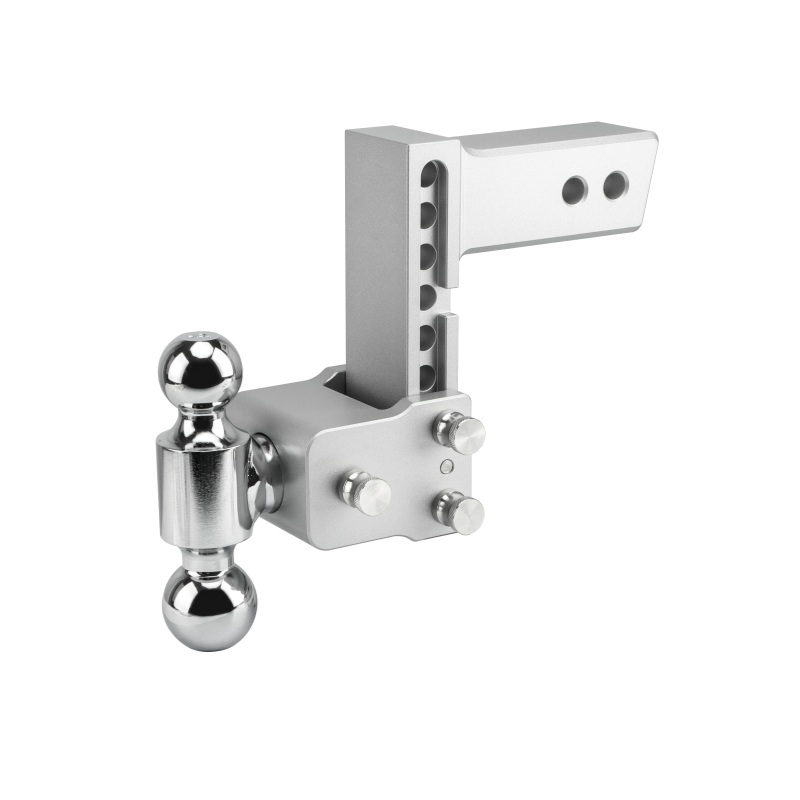
Loose Bolts
Vibration gradually loosens bolted joints over time, reducing clamp load and causing shift under load. Check torque after your first trip and at scheduled intervals. A quick torque check takes minutes and prevents dangerous joint failure.
Rust & Wear
Corrosion at mounting points, pin holes, or receiver openings weakens the connection over time. Inspect routinely, and treat small rust spots with a wire brush, fresh grease, and touch-up paint. Replace worn ball mounts when coating wears through.
Common Installation Mistakes to Avoid
- Using unrated or incorrectly sized hardware
- Improper torque (too loose or over-tightened)
- Mismatched ball mount and coupler sizes
- Exceeding rated load and tongue weight limits
- Skipping routine torque and wear inspections
FAQ
Do bolt-on hitches meet legal safety standards?
Yes. Quality bolt-on hitches meet regional industry standards including SAE J684 (North America) and ECE R55 (Europe). Always confirm the appropriate certification for your market before installation.
Can I install a bolt-on hitch at home?
Many drivers install bolt-on hitches at home with basic tools, but you must follow manufacturer torque values exactly and use a calibrated torque wrench. If you are unsure of the process, have a professional handle installation.
How often should I check hitch bolts?
Check torque after your first trip, then at regular intervals thereafter. Vibration from towing loosens fasteners over time, so routine checks keep the connection secure and within spec.
Does a bolt-on hitch handle the same loads as a welded one?
A bolt-on hitch is rated for specific load capacities based on testing. Welded hitches are typically better suited for frequent heavy-duty and off-road work. The right choice depends on load, terrain, and budget — not just connection type.
What causes a hitch ball to come loose?
A loose hitch ball is almost always caused by improper torque or a worn ball mount. Always tighten to manufacturer specs and match ball size to your coupler. Remove the ball when not towing to prevent damage and crash-related projectile risk.