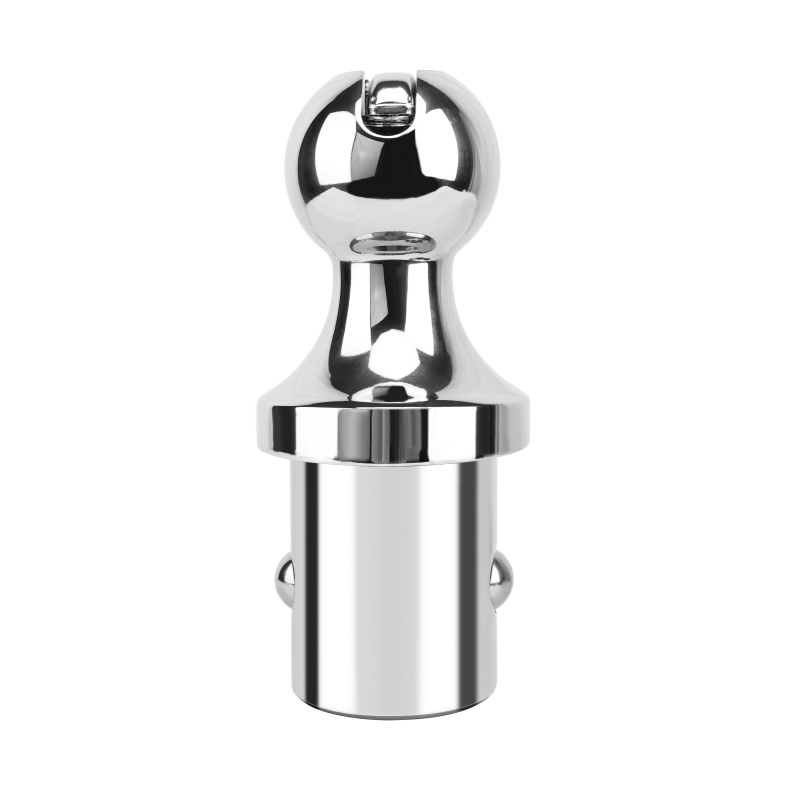
Gooseneck ball locks securely with a simple quarter-turn (90°) twist — no tools, no top opening, and no separate hardware required. This internal spring-loaded locking mechanism engages when you push the ball into the socket and rotate it a quarter turn, and releases just as easily. The folding handle locks flat against the truck bed to prevent accidental unlatching during towing, adding a passive safety layer. This simple, tool-free design makes gooseneck hitches fast, reliable, and secure for everyday towing.
Key Takeaways
- Gooseneck balls lock with a simple 90° (quarter-turn) twist — no tools or top opening required.
- The folding handle locks flush against the truck bed to prevent accidental release while towing.
- Zinc plating and nylon washers prevent corrosion for smooth, long-lasting operation.
Quarter-Turn Locking Mechanism
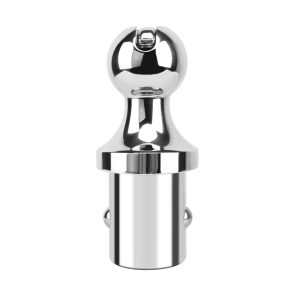
The core locking action relies on an internal cam-and-pin assembly inside the gooseneck ball post. When you push the ball fully into the puck socket and twist it 90 degrees, an internal actuating rod rotates and cams a spring-loaded stainless steel retaining pin into a matching groove on the ball base. This holds the ball firmly locked in place with no external fasteners.
Reversing the quarter turn retracts the spring-loaded pin and releases the ball, which can then be inverted for storage so the truck bed stays flat for hauling cargo.
The internal assembly uses stainless steel ball bearings that roll in cone-shaped housings for smooth, binding-free movement. Stainless steel guide plates cradle the bearings and reduce friction during rotation. Nylon washers separate dissimilar metals to prevent galvanic corrosion and keep the turning action smooth over thousands of cycles.
Handle Safety Lock
The operating handle adds a second layer of passive security. Once the ball is locked, the handle folds down and locks into a horizontal position flush against the truck bed. This prevents road vibration and cargo movement from jarring the mechanism loose — you must intentionally lift the handle before you can turn the ball to release it. Always confirm the handle sits fully flat before towing.
Core Components of a Gooseneck Ball Lock
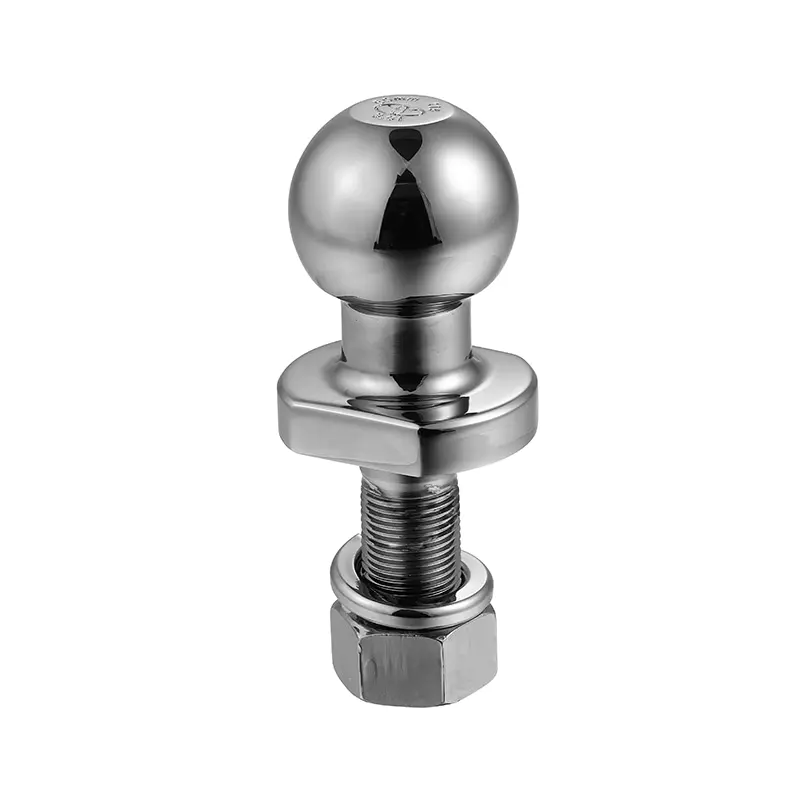
Every part serves a specific role in keeping the connection secure:
- Solid gooseneck ball: Carries the full trailer load; rotates to activate the internal locking mechanism.
- Locking plates & ball bearings: Guide the ball during rotation and seat into place when fully locked. Staked in place during assembly to resist vibration.
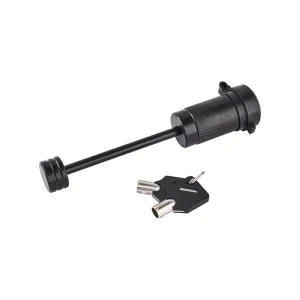
- Cross pin: Locks the entire mechanism into the puck socket; includes a hole to accept a padlock for extra security.
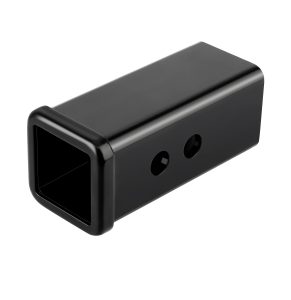
- Puck socket: Shaped opening that receives and centers the ball; mounts flush to the truck bed when the ball is removed.
How to Lock & Unlock a Gooseneck Ball
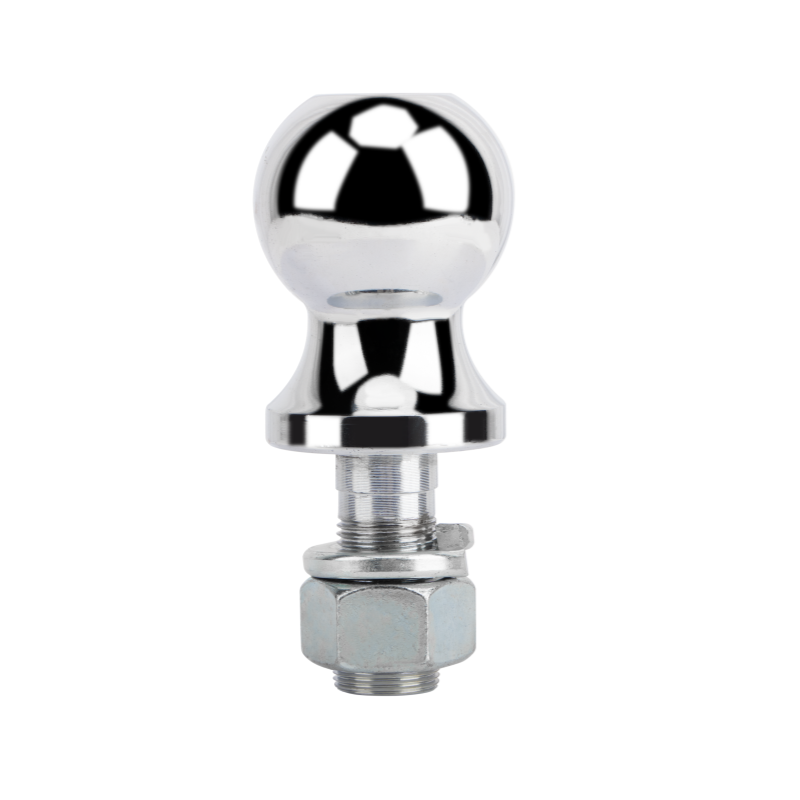
Locking Steps
- Push the gooseneck ball fully into the socket.
- Twist the ball a quarter turn (90°) until you feel a solid stop.
- Fold the handle down flat into its locked position.
- Confirm the connection by pulling firmly on the trailer coupler.
- For extra security, add a padlock through the cross pin.
Unlocking Steps
- Remove the padlock (if used).
- Lift the handle to its upright position.
- Twist the ball back a quarter turn to disengage the locking pin.
- Pull the ball free from the socket.
Corrosion Protection
Zinc plating on the exterior ball provides durable, long-lasting rust resistance. Nylon washers between dissimilar metals prevent galvanic corrosion and binding. Minimal access points for the internal mechanism reduce moisture ingress. Clean dirt and road salt off the mechanism after use, and lubricate moving parts regularly to keep operation smooth.
FAQ
Does a gooseneck ball need tools to lock?
No. You push the ball into the socket, twist it a quarter turn, and fold the handle down to lock. No tools or top opening is required.
How do you know a gooseneck ball is fully locked?
The handle folds and sits flat against the truck bed, and you will feel a solid stop when the ball reaches the locked position. Always give the trailer coupler a firm pull to confirm the connection is secure before towing.
Can you add a padlock to a gooseneck ball?
Yes. The cross pin that holds the locking assembly in place has a hole that accepts a standard padlock. This blocks access to the release mechanism and deters theft.
What keeps the locking mechanism from rusting?
Exterior zinc plating protects the ball itself. Inside, nylon washers separate dissimilar metals to prevent galvanic corrosion, and stainless steel internal components resist wear and rust. Minimal access openings also reduce moisture ingress.
How often should you inspect a gooseneck ball?
Inspect the ball, socket, and coupler before every tow for cracks, rust, or deformation. Clean off dirt and road salt after use, and lubricate moving parts regularly to keep operation smooth.