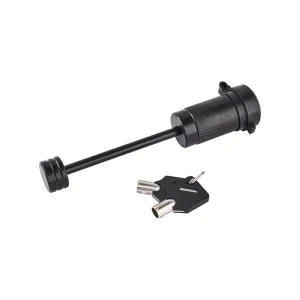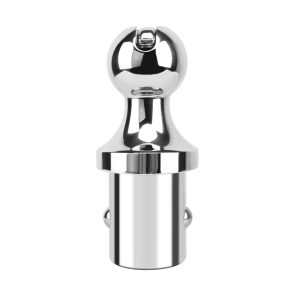
Safety data shows 50,000 trailer hitch crashes happen yearly. Drivers keep roads safe with simple care steps. Taking care of a strong FTrade trailer hitch ball needs simple work. Clean it often and check it well. Use good grease and check the tight nut. Road dirt makes harsh rubbing. Rubbing causes heavy wear and bad rust. Bad gear leads to dangerous trailer drops. Drivers stop damage by cleaning dirt away. Quick checks find tiny cracks early. Fresh grease helps it move smoothly. Tight nuts keep the hitch safe.
Key Takeaways
- Clean dirt and old grease off your trailer ball before every trip.
- Apply fresh waterproof marine grease to stop rust and metal wear.
- Use a torque wrench to tighten the hitch nut to exact factory specs.
- Remove and store your hitch ball indoors to block rain and rust.
Essential Tools for Trailer Hitch Ball Care
Waterproof Grease and Cleaners
Towing heavy loads needs special care products. Drivers need great waterproof grease for towing. Regular grease washes away in heavy rain. It also washes off in boat launches. Thick waterproof grease protects heavy metal parts. Good lubrication stops harsh grinding sounds. It also prevents bad surface wear.
Chemical solvents clean metal parts very well. Owners use sprays like WD-40 for rust. Spraying cleaner onto pins breaks down grime. Clean metal parts work very smoothly. Solvent treatments protect steel against bad rust.
Protective Covers and Brushes
Hand tools remove dirt before adding grease. Workers use wire brushes to clear rust. Scrubbing threads removes small sand particles. Clean hitch parts tighten securely every time. Checking parts keeps them working for years.
Rubber caps protect a trailer hitch ball. Operators put grease inside the cap. Grease seals out water and road salt. It keeps the cap on at high speeds. The cap protects the ball from rocks. Care extends your hitch ball service life. A good hitch keeps you safe on roads. Safe setups haul heavy trailers smoothly.
How to Clean and Lubricate a Trailer Hitch Ball
Removing Dirt and Old Grease
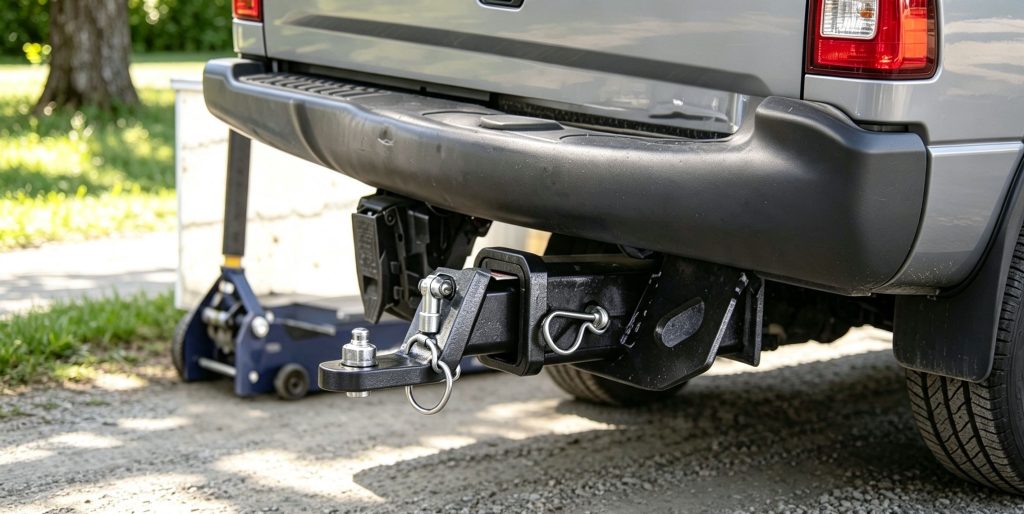
Dirt builds up fast on towing gear. Clean off old grease and grime first. Do this before adding new grease. A rag wipes thick dirt off the ball. Technicians wipe away all old oil. This helps them check the bare metal. Dirt acts like sandpaper on the road. Dirt grinds down steel during turns. Drivers wipe all surfaces very clean. This stops heavy friction. Solvent sprays break down hard sludge. Wipe the metal completely dry now. Dry metal takes fresh grease best. Clean parts stop early hardware failure.
Inspecting Shank and Threads
Dirty threads create big hazards. Rust and salt enter tiny cracks. Mechanics clean the shank and nut completely. Cleaning stops bad metal rust. It also stops hardware lockup. Wire brushes scrape out hidden rust. Dirty threads stop nuts from sitting flat. Drivers check hardware during regular care. Replace cracked or stretched parts right away. Clean threads allow accurate torque settings. Proper torque keeps the hitch setup safe. Checks extend metal life a lot.
Rust Removal and Surface Protection
Weather shapes metal care needs. Sea air rusts bare steel fast. Makers use distinct finishes on steel. This protects parts against harsh weather. Each hitch ball needs specific care. Care depends on its outer shell. The table below shows rust resistance:
| Material | Rust Resistance Level | Performance in Marine / Salt Environments |
|---|---|---|
| Stainless Steel | Superior (Best) | Forms a protective layer against rust; best for marine use. |
| Powder Coating | Moderate to High | Resists salt better than chrome, but chips can rust. |
| Chrome Plating | Low | Rusts much faster in salt and sea air. |
Polished stainless steel stops rust best. Powder coating resists salt well. Owners must fix deep chips quickly. Chrome needs frequent cleaning and drying. This stops bad surface pitting. Good care protects metal strength over time.
Applying Fresh Waterproof Lubricant
Fresh grease helps the coupler turn smoothly. Good grease shields metal from heat. Spread heavy marine grease evenly. Put it on the top dome. A greased ball turns freely inside.
Spread a thin layer of grease. Cover the whole hitch ball surface manually. Coat the neck and lower side. This stops direct metal rubbing.
Drivers add fresh grease after rain. They also add it after mud. The grease layer keeps water away. Regular care stops bad grinding noises. Maintenance keeps hardware ready for travel.
Hitch Ball Torque and Safety
Verifying Proper Torque Specs
Drivers must tighten parts using exact maker torque specs. A standard torque wrench secures the nut well. Use one rated for at least 250 ft-lbs. Big jobs need a stronger torque wrench. It must reach about 430 ft-lbs of torque. Use it with a 1-7/8 inch socket. Exact force keeps the hitch ball tight. It will not wobble or come loose now.
| Torque Condition | Action or Cause | Resulting Impact |
|---|---|---|
| Under-Torquing | Guessing force below ~250 ft-lbs | Shaking loosens nuts, ruins threads, and drops parts |
| Over-Torquing | Turning past set force limits | Stretches, bends, and weakens bolt threads |
| Precise Application | Wrench set to maker specs (e.g., 75–150 ft-lbs) | Keeps hitch safe on roads and protects parts |
Exact torque stops hitch failure on the road. Loose nuts under the ball mount cause wobbles. The hitch ball can fall off completely. Proper force keeps the connection safe and tight. It prevents dangerous hitch accidents while towing.
Inspecting Lock Washers and Nuts
Safe towing needs good part checks first. Drivers check washers and nuts often. This finds worn metal early. A flat lock washer loses its spring push. Broken washers cannot hold the nut tight. Road shaking makes the nut turn loose.
Mechanics check shank threads and nuts after long trips. Salt and wet air rust steel parts slowly. Damaged threads stop nuts from sitting flat. Replace bad parts right away for safety. This keeps the whole hitch strong.
Storage and Weight Tips for Your Hitch Ball
Removing Mounts for Dry Storage
Take off ball mounts after trips. This protects your gear. Leaving a hitch ball outdoors speeds up rust. Harsh weather ruins bare steel fast. Rain and sun damage metal coatings.
Outdoors, elements speed up rust:
- Rain and air moisture start bad rust fast.
- Road salt speeds up steel rust.
- Temperature changes stress protective coatings.
Indoor storage helps your hitch ball last. Clean indoor rooms shield heavy gear. Removing mounts keeps receiver tubes dry. Storing mounts inside gives big benefits:
- It shields parts from rain. It stops early wear.
- It stops dirt inside tubes. Parts will not rust stuck.
Upgrading for Heavy Weight Capacities
Heavy loads wear down regular parts over time. Heavy weight causes metal fatigue on trips. Friction makes deep pits on balls. Severe work needs stronger hardware for safety. Drivers pick parts matching load limits.
Pros upgrade gear to haul heavy loads. FTrade makes custom heavy towing parts. Engineers forge strong steel units for high strength. Good machining makes every unit strong. Upgraded models hold 2,000 to 30,000 lbs GTW. Choosing strong parts keeps trailers safe under stress.
Drivers protect heavy towing gear with care. Safe drivers check gear before trips. These checks make sure connections stay tight. Good checks stop drops on roads.
Care keeps parts working for years. Clean off old dirt first. Add fresh waterproof grease next. Check torque specs before you drive. Quick checks find tiny cracks early. Checks also find damaged threads. Good grease stops harsh friction. It prevents wear and rust. Regular care makes gear last longer. This ensures safety for every trip.
FAQ
How often should drivers perform maintenance on a trailer hitch ball?
Drivers clean hardware before every long trip. Routine cleaning removes abrasive dirt. Clean surfaces stop harsh grinding during travel. Operators wipe away contaminated grease after heavy rain.
What type of lubricant protects a trailer connection best?
Heavy waterproof marine grease protects metal parts best. Thick grease resists water washouts during boat launches. The lubricant stops rust formation on steel. Smooth grease layers reduce friction inside the coupler.
Why must owners check torque settings on the hitch?
Correct torque keeps hardware locked to the drawbar. Loose mounting nuts cause severe shaking while driving. Shaking ruins steel threads quickly. Proper force prevents catastrophic disconnects on public roads.