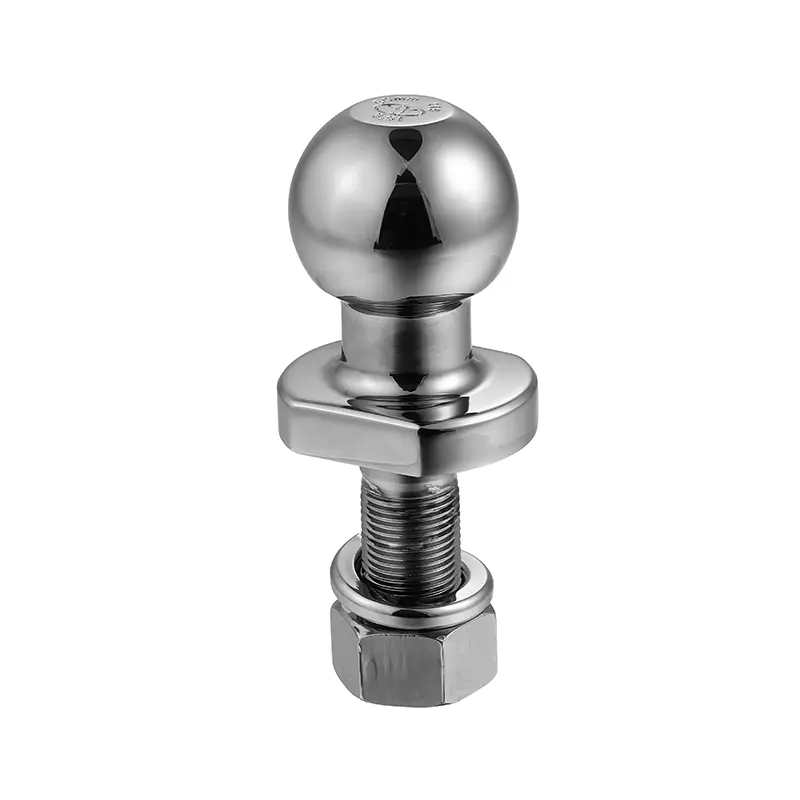
Yes, hitch balls do wear out over time with regular towing use. Constant metal-on-metal friction between the ball and coupler gradually removes surface material, while heavy loads, road grit and corrosion speed up the process. Many drivers assume this small metal component will last forever, but unchecked wear can create serious towing safety risks.
Regular inspection and basic trailer hitch maintenance slow wear significantly, and correct ball-to-coupler sizing prevents premature damage. This guide covers the common causes of hitch ball wear, clear warning signs to look for, and when replacement is a safety necessity.
Key Takeaways
- Hitch balls wear out gradually from friction, abrasive road grit, and rust/corrosion.
- Inspect the trailer ball for flat spots, grooves, pitting and rust before every tow.
- Match ball size exactly to your coupler and apply a thin coat of grease to reduce friction wear.
- Clean the ball and coupler regularly, and store the mount indoors to prevent corrosion.
- Replace any hitch ball with deep grooves, shape deformation, cracks or heavy pitting immediately for safety.
Why Do Hitch Balls Wear Out?
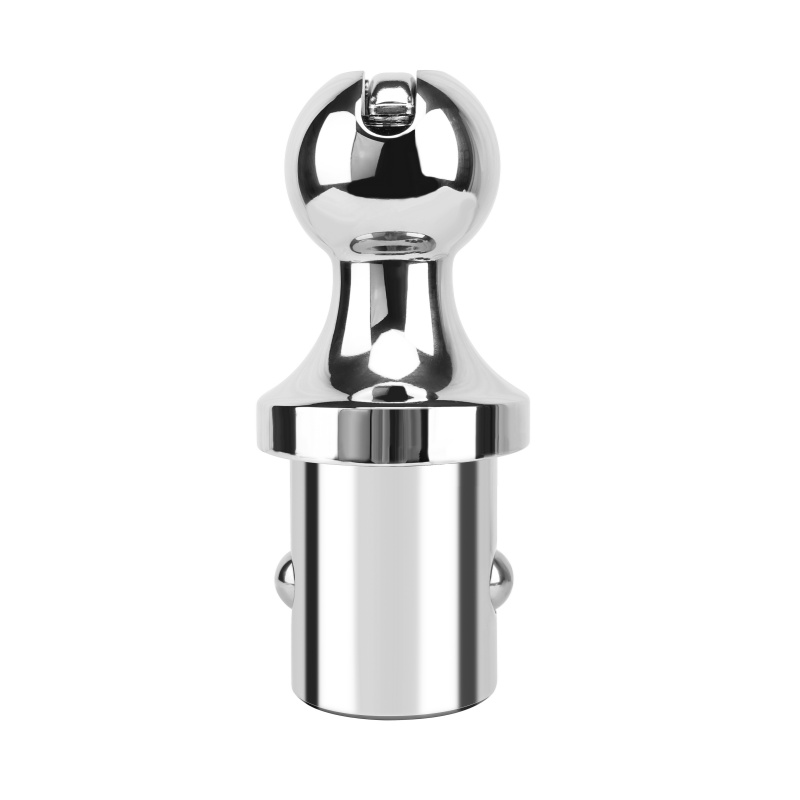
Wear accumulates from thousands of small, repeated contacts during towing, not one single dramatic event. Four main factors drive deterioration:
Friction & Abrasive Road Grit
Every turn, stop and bump creates metal-on-metal friction between the ball and coupler, slowly polishing away surface material over time.
Dust, gravel and road debris trapped inside the coupler act like sandpaper, grinding away the ball’s finish and underlying steel much faster than clean towing. Dirt-filled couplers can cause noticeable wear in a single season, especially for drivers towing on gravel roads, construction sites or dusty farm lanes.
Heavy & Unbalanced Loads
Excessive or improperly distributed tongue weight concentrates force on a small area of the ball, flattening the surface faster than a balanced, level trailer setup. An unlevel trailer shifts weight at an awkward angle, accelerating uneven wear on the top and back of the ball.
Corrosion & Poor Maintenance
Moisture, road salt and coastal air break down protective finishes, causing rust and pitting on the ball surface. Rough, corroded metal then creates more friction against the coupler, creating a cycle of faster wear and deeper corrosion.
Neglected ball mounts can also seize inside the receiver from rust buildup, adding extra strain to the hitch ball during towing.
Mismatched Ball & Coupler Size
A ball that is too small for the coupler creates excess play, letting the coupler hammer and impact the ball with every bump. This mismatched fit drastically speeds up wear on both components.
How to Tell If a Hitch Ball Is Worn Out
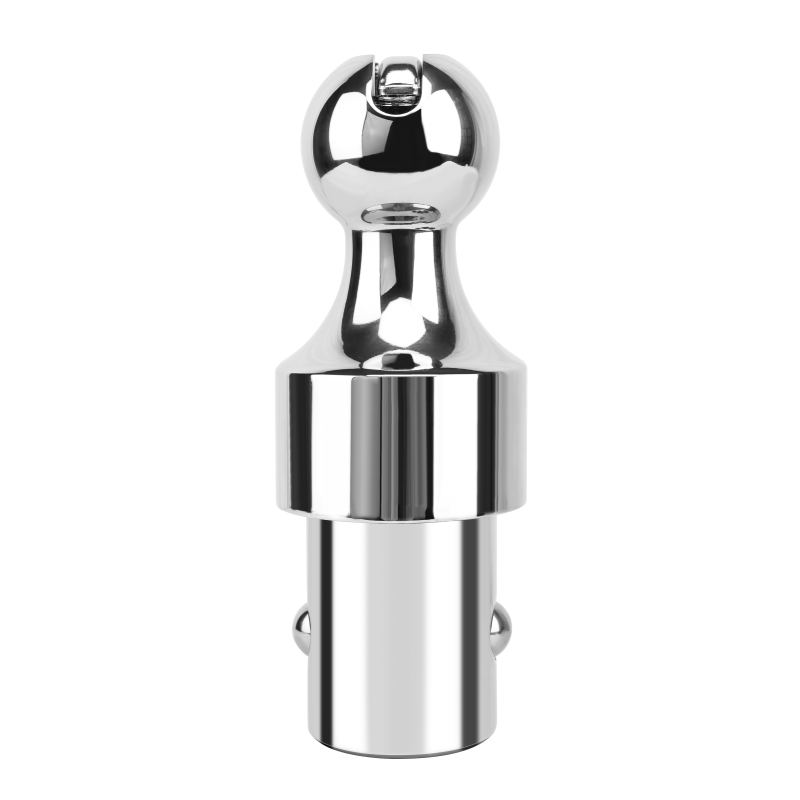
A quick pre-tow inspection catches most wear issues early. Check both visually and by feel:
Visual Warning Signs
A healthy hitch ball has a smooth, uniformly round surface. Look for these red flags:
- Flat or worn spots on the top and back of the ball, where the coupler presses hardest during braking and turns
- Deep grooves cut into the steel from coupler contact
- Pitting (small crater-like indentations) indicating corrosion under the finish
- Surface rust that returns quickly after cleaning, signaling a failing protective coating
Feel & Sound Indicators
- Hook up the trailer and rock the coupler by hand. Excess play or loose movement means the ball is worn down or the coupler is damaged.
- Clunking or knocking noises over bumps while towing confirm extra play in the connection.
- A seized or binding ball mount that will not slide smoothly in the receiver usually indicates rust buildup that can also damage the ball.
How to Extend Hitch Ball Life
A few simple maintenance habits will drastically extend the life of your hitch ball:
- Match size exactly: Always use a ball diameter that perfectly fits your coupler (most common sizes are 1-7/8″, 2″ and 2-5/16″). A loose fit is the fastest way to cause unnecessary wear.
- Lubricate lightly: Apply a thin film of grease to the ball before towing to reduce metal-on-metal friction. Wipe off excess grease to avoid trapping abrasive dirt.
- Keep it clean: Wipe down the ball and inside of the coupler after every trip, especially after dusty or gravel road towing. Remove grit before it can grind into the steel.
- Tow level: Adjust your hitch height to keep the trailer frame parallel to the ground. A level trailer evenly distributes tongue weight and prevents uneven wear on the ball.
- Store properly: Remove the ball mount from the receiver during long periods of storage, and keep it in a dry, covered location to slow rust formation.
When Should You Replace a Hitch Ball?
Minor surface polishing and light scuffing is normal and does not require replacement. Replace the ball immediately if you notice any of these:
- Visible shape deformation or distinct flat spots that change how the coupler sits
- Deep grooves cut into the ball surface
- Heavy pitting, deep rust or corrosion that eats into the steel
- Cracks anywhere on the ball, shank or welds
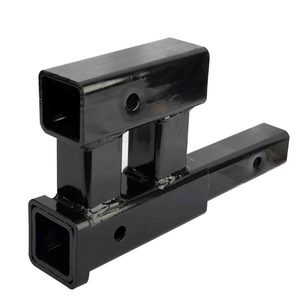
Also inspect the ball mount and drop hitch for cracks at the same time — these parts carry the same load and can fail just as catastrophically.
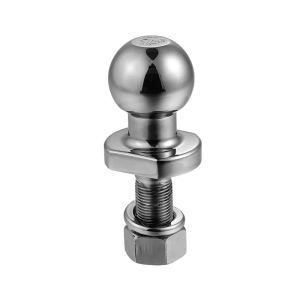
For heavy-duty towing applications, FTrade forged steel hitch balls are a durable option, available in chrome, stainless steel and black powder-coated finishes with GTW capacities from 2,000 to over 30,000 lbs. Always select a ball rated for at least the gross weight of your loaded trailer.
Why Replacement Matters for Safety
A worn, deformed ball lets the coupler shift and lift under load. In a hard stop or on rough roads, this play can lead to full trailer separation — a dangerous event that puts all road users at risk and often causes major vehicle damage. Replacing a worn hitch ball is low-cost insurance against this serious hazard.
FAQ
How often should I inspect my hitch ball?
Do a quick visual and hand check before every tow. Do a full inspection of the ball, coupler and receiver at the start of each towing season. Frequent checks catch wear early before it becomes a safety issue.
Does light surface rust mean the ball is ruined?
No. Light surface rust can often be cleaned off with a stiff brush. Deep pitting that eats into the steel is the real concern, as it weakens the ball and accelerates wear. Replace balls with heavy, persistent corrosion.
Can a worn hitch ball damage my coupler?
Yes. A flat or grooved ball lets the coupler shift and hammer against the metal, wearing out the coupler latch and inner surfaces too. Always inspect both sides of the connection.
Does grease attract dirt and make wear worse?
Too much grease can trap grit and create an abrasive paste. A thin, light coat reduces friction without collecting excess dirt. Wipe off excess grease and clean the coupler regularly for the best balance.
Can I use a ball with a small flat spot?
Minor polished areas are normal wear. Once the flat spot is noticeable enough to change how the coupler sits on the ball, it is time to replace it. A tight, secure fit is required for safe towing.