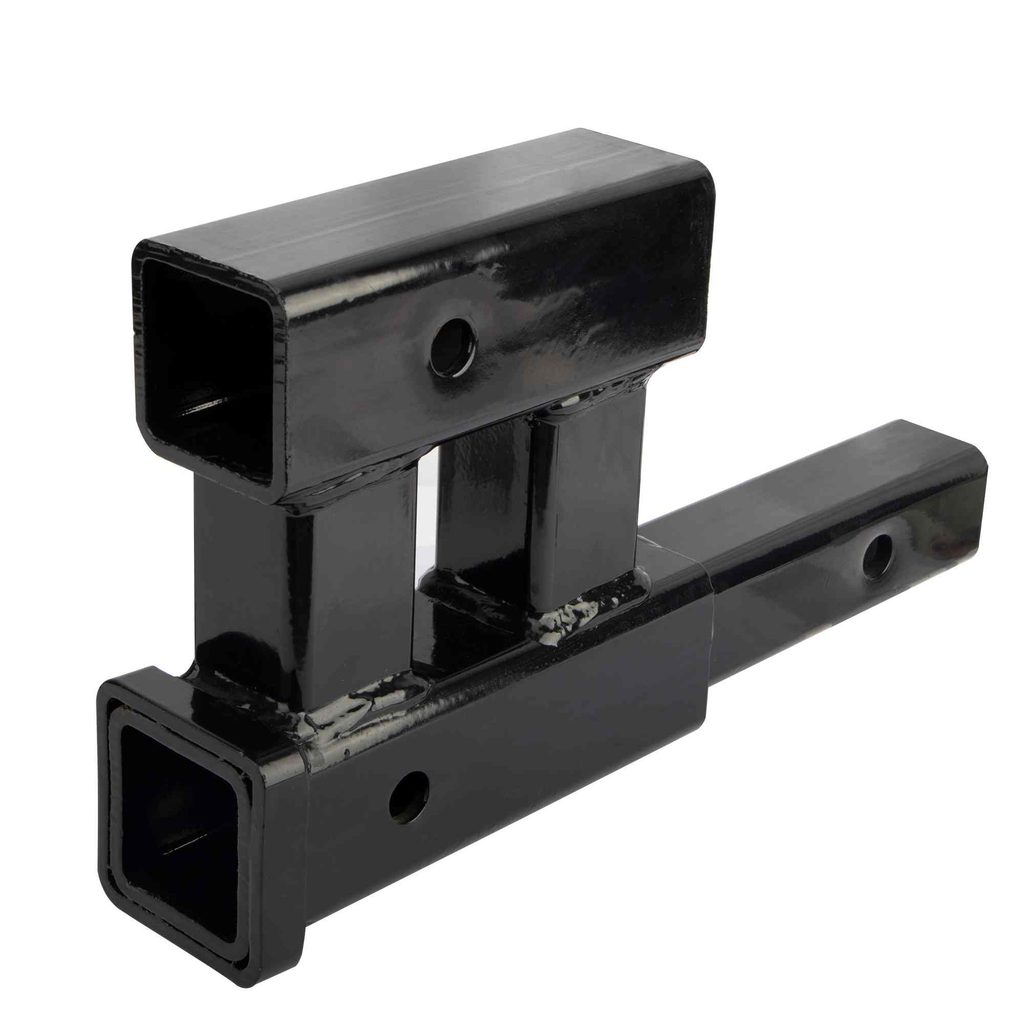
Yes, you can use a 2-inch hitch shank in a 2.5-inch receiver — but only with a properly fitted reducer sleeve. Running a smaller shank without an adapter is unsafe and not recommended. The core issue is simple: a 2-inch shank leaves a 1/4-inch gap on every side inside a 2.5-inch opening, creating unwanted play that stresses hardware and compromises towing stability.
For a secure, road-safe connection, receiver and hitch sizes must match directly, or a precision sleeve must fill the gap. Safety, towing capacity, and warranty coverage all depend on a tight, properly aligned fit.
Key Takeaways
- Always use a reducer sleeve to eliminate play between a 2-inch hitch and a 2.5-inch receiver.
- Loose, mismatched hardware causes rattling, uneven pin stress, and trailer sway — all serious safety risks.
- A reducer sleeve does not add towing capacity. Always follow the lower rating of your hitch or receiver.
- Reducer sleeves are a low-cost solution for light, occasional towing; heavy frequent use is better served by a full-size 2.5-inch hitch.
- Always review your owner’s manual and warranty terms before using any hitch adapter.
Why a 2-Inch Hitch Doesn’t Fit a 2.5-Inch Receiver Directly
The Size Gap
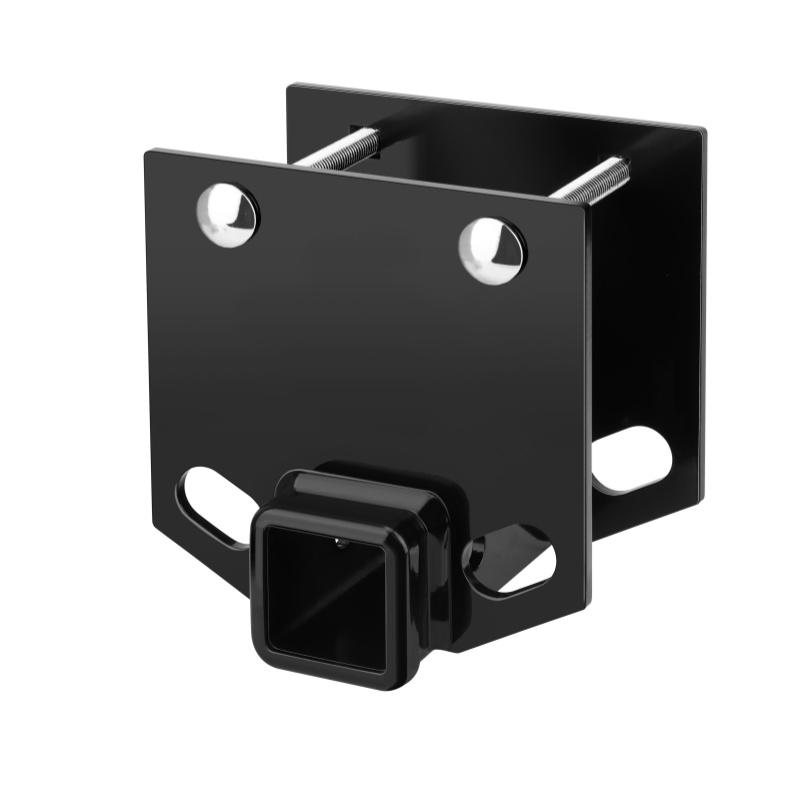
A 2-inch hitch shank measures exactly 2 inches across; a 2.5-inch receiver opening is 0.5 inches wider. This leaves a 1/4-inch gap on all sides of the shank. Without a sleeve, the shank can shift, rock, and slide inside the receiver tube during travel.
Safety Risks of an Unadapted Fit
Running a bare 2-inch shank in a larger receiver creates predictable hazards:
- Uneven hardware stress: The shank rocks against the hitch pin, concentrating force on one edge of the pin hole. Over time, this elongates the pin hole and weakens both the shank and receiver walls.
- Trailer instability: Excess play causes the trailer to shift or feel unsettled at highway speeds, reducing driver control.
- Noise and wear: You will hear noticeable clunking during acceleration and braking as the shank slides forward and back. This repeated impact accelerates wear on all connected components.
None of these issues are unavoidable — a correctly installed reducer sleeve eliminates the gap and restores a tight, factory-like fit.
How to Safely Use a 2-Inch Hitch in a 2.5-Inch Receiver
Choose the Right Reducer Sleeve
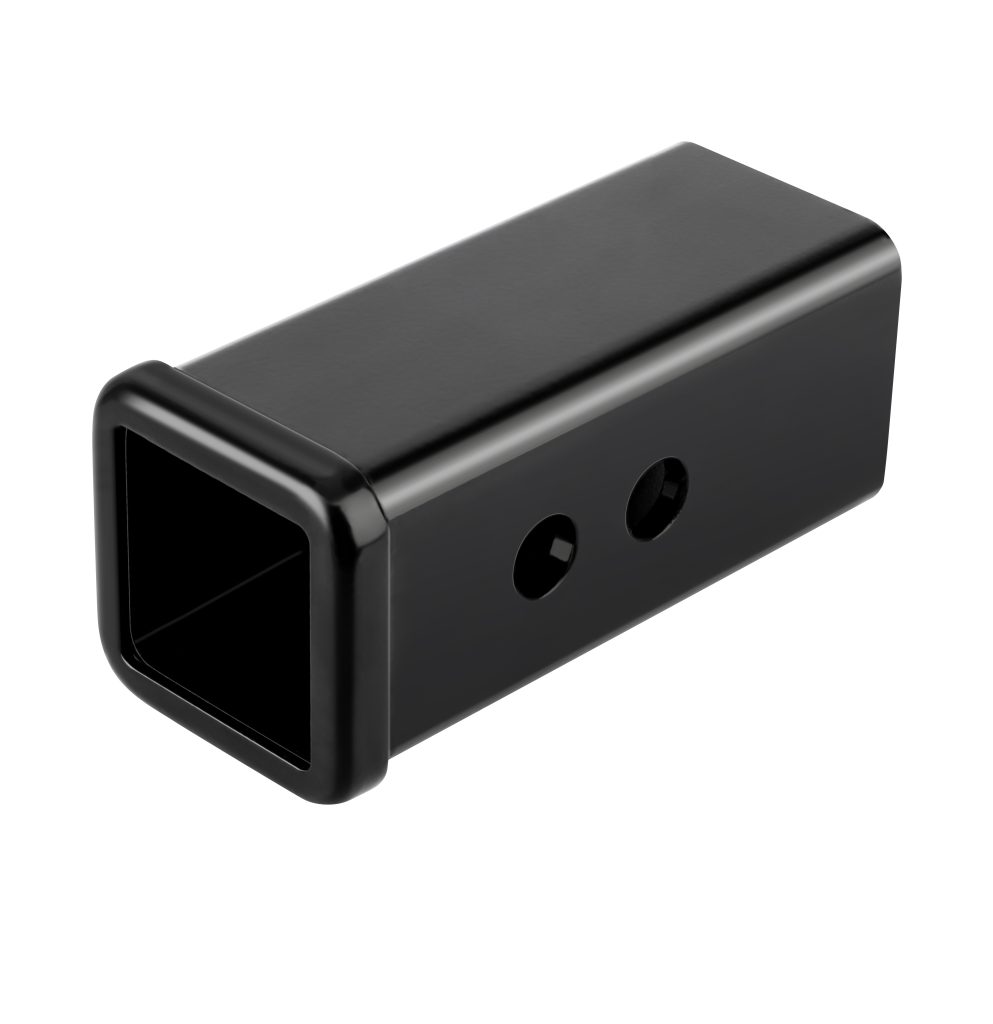
A 2.5-to-2-inch reducer sleeve is a precision metal tube that fills the extra space inside the larger receiver, centering the smaller shank and eliminating play. There are two common styles:
- Standard reducer sleeve: A simple, low-cost metal tube that fills the gap. It works reliably for light and occasional towing.
- Anti-rattle reducer sleeve: Adds a clamping mechanism or shims to press firmly against the shank, minimizing movement and eliminating highway rattling. It is ideal for long-distance driving and drivers who want a quieter ride.
Always confirm the sleeve is rated for your receiver size and matches your shank dimensions. Measure the inside of your receiver opening before ordering to avoid a mismatched part.
Step-by-Step Installation
- Slide the reducer sleeve fully into the 2.5-inch receiver until it sits flush with the opening.
- Align the pin holes on the sleeve with the holes on the receiver tube.
- Insert the 2-inch ball mount shank into the sleeve.
- Push the hitch pin through all three aligned holes and secure the safety clip.
- Pull firmly on the ball mount to confirm there is no visible play or movement.
Inspect the sleeve and connection before every trip. Replace the sleeve if you notice wear, deformation, or returning play.
How an Adapter Affects Towing Capacity
A reducer sleeve is a spacer, not a strength upgrade. It does not increase the rating of either the hitch or the receiver. The entire setup is limited by the lowest-rated component in the system.
For example:
- If your 2.5-inch receiver has a high tongue weight rating, but your 2-inch hitch has a lower limit, you must tow to the 2-inch hitch’s lower capacity.
- The sleeve itself does not add or subtract capacity, as long as it is a properly rated, well-fitted part.
When to Skip the Adapter
For heavy trailers, large tongue weights, or frequent long-haul towing, a full 2.5-inch hitch shank is the better choice. A direct, full-size match delivers maximum strength and stability, with no adapter to inspect or wear out.
An adapter sleeve is best suited for:
- Light utility trailers
- Occasional, short-distance towing
- Drivers who already own a 2-inch hitch and need temporary compatibility with a 2.5-inch receiver
Adapter Compliance, Warranty & Cost Considerations
Manufacturer & Warranty Rules
Always review your vehicle owner’s manual and hitch product documentation before using an adapter. Some manufacturers approve sleeve use within rated limits; others restrict adapters or require written confirmation. Using an unapproved adapter may void your hitch or vehicle warranty in the event of a failure.
For full confidence, check with the hitch manufacturer directly and keep documentation of their guidance for your records.
Cost: Adapter vs. Full-Size Hitch
A reducer sleeve costs a small fraction of a new hitch, making it the most economical choice for light, occasional use. No shop labor is required, and installation takes only minutes.
For heavy, regular towing, the higher upfront cost of a 2.5-inch hitch pays off in greater strength, reliability, and long-term durability.
For commercial and B2B buyers, FTrade — a trailer accessory manufacturer — builds both reducer sleeves and hitches to SAE J684 industry standards. All parts are engineered for consistent fit and rated performance, making them a reliable choice for fleet and retail inventory.
FAQ
Does a reducer sleeve lower the towing capacity of a 2.5-inch receiver?
No. The sleeve only fills empty space; it does not reduce or increase the receiver’s factory rating. Your total system capacity is limited by the lowest-rated component (usually the smaller 2-inch hitch).
Can I tow light loads without a sleeve?
No. Even with a light load, the size gap still allows the shank to shift inside the receiver, stressing the pin and wearing out hardware. Safety does not scale with load weight — always use a sleeve for mismatched sizes.
How do I confirm my receiver size before buying a sleeve?
Measure the inside width of the receiver tube with a tape measure. A 2-inch receiver will measure 2 inches across; a 2.5-inch opening will measure 2.5 inches. Match your sleeve to this exact measurement.
Will an adapter sleeve fit every 2.5-inch hitch and ball mount?
Fit depends on the specific parts. A standard sleeve for a 2.5-inch opening will accept a standard 2-inch shank, but always confirm pin hole alignment and shank length with a test fit before towing.
Does a 2-inch receiver need a sleeve for its own shank?
No. A 2-inch receiver is designed to hold a 2-inch shank directly, with a tight, secure fit. Sleeves are only required when inserting a smaller shank into a larger receiver opening.