Most ratchet strap failures are entirely preventable. The three leading causes of broken tie-downs are exceeding the working load limit, using frayed or damaged webbing, and skipping edge protection on sharp cargo corners. These small, easy-to-miss mistakes can lead to snapped straps, shifted loads, and dangerous highway incidents — like the well-documented case of a driver whose frayed strap snapped mid-route, causing a load shift that nearly resulted in a crash.
This guide breaks down every common ratchet strap mistake, explains the safety risks, and shares simple best practices for safe cargo securement. These rules apply to both standard and retractable ratchet straps, and following them protects your cargo, your vehicle, and everyone on the road.
Key Takeaways
- Never exceed the rated working load limit (WLL) — always calculate total cargo weight instead of guessing.
- Inspect straps before every trip; retire any with fraying, cuts, UV damage, or mold immediately.
- Always use edge protectors on sharp metal corners to prevent webbing from being cut under tension.
- Keep webbing flat and knot-free, and always fully lock the ratchet handle after tightening.
- Store straps in a cool, dry place away from direct sunlight to extend their service life.
What Is a Ratchet Strap and How Does It Work?

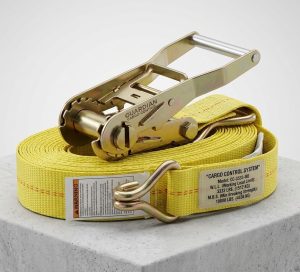
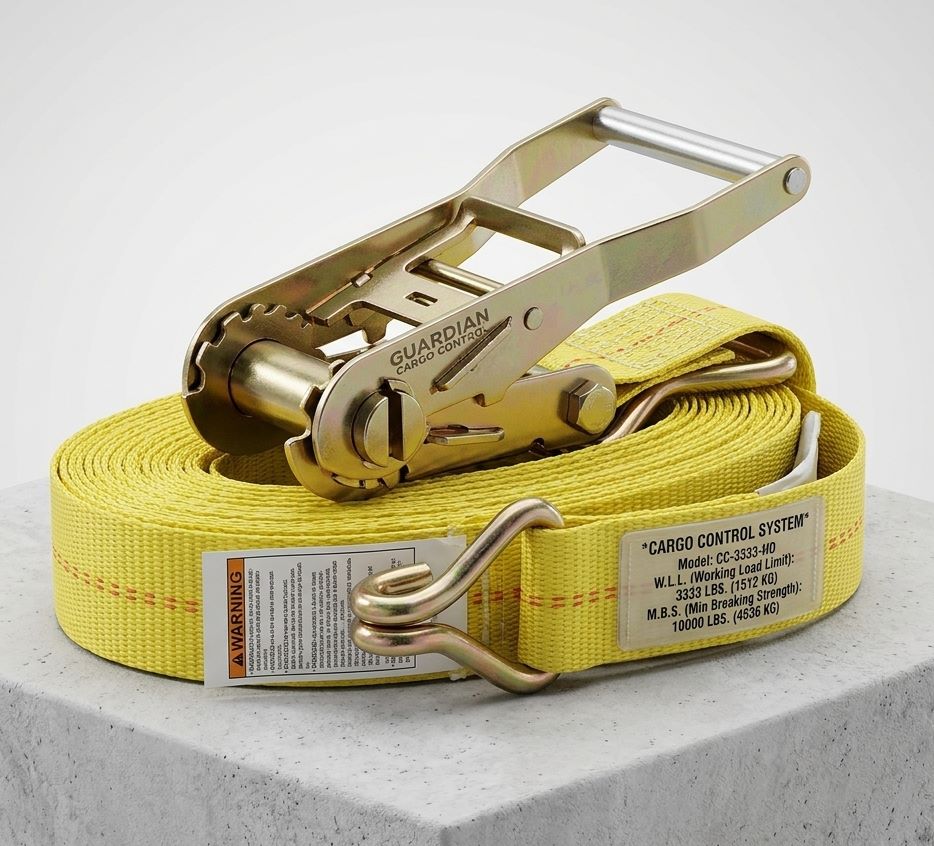
A ratchet strap is a type of cargo tie-down used to secure loads during transportation. It typically consists of a durable polyester webbing strap, a ratcheting tensioning mechanism, and end fittings such as S-hooks, J-hooks, or grab hooks. The ratchet mechanism allows users to tighten the webbing and maintain tension around cargo, helping prevent loads from shifting, sliding, or falling during transit. Ratchet straps are commonly used to secure equipment, machinery, furniture, and other cargo on trailers, trucks, and flatbeds. However, proper selection, tensioning, and handling are essential to maintaining load security and preventing strap failure.
5 Common Ratchet Strap Mistakes to Avoid
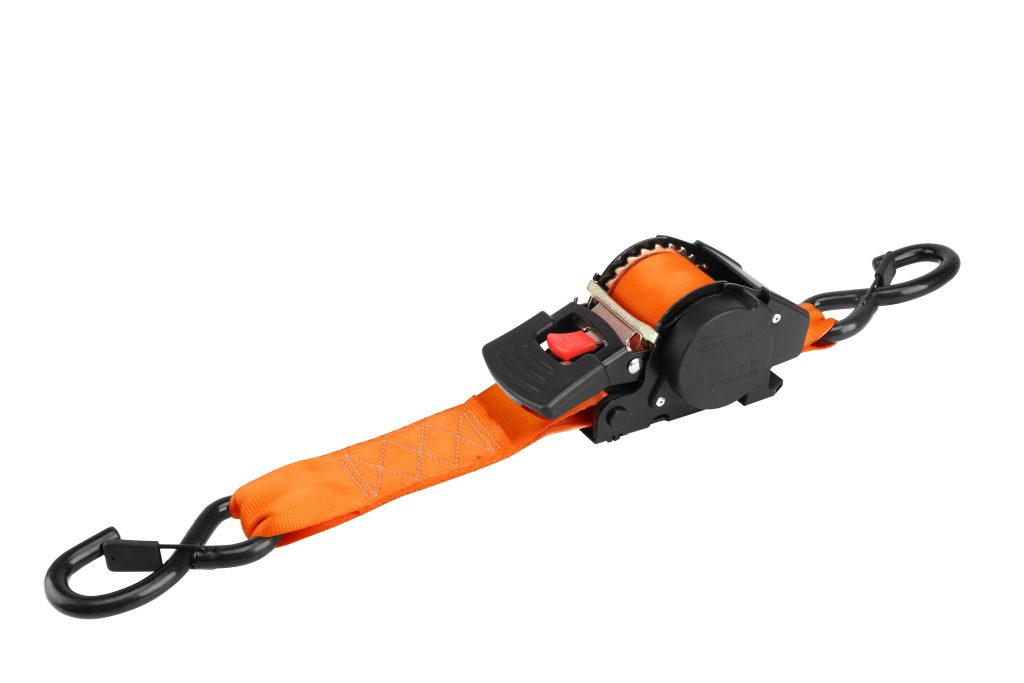
1. Exceeding the Working Load Limit (WLL)
Every ratchet strap has a labeled working load limit: the maximum force the entire assembly (webbing, hardware, and ratchet mechanism) can safely handle. This rating reflects the weakest point in the system, not just the webbing strength.
Common overloading errors
- Grabbing an undersized strap for a heavy load
- Adding extra cargo without recalculating total weight
- Uneven load distribution that concentrates all force on one or two straps
Risks
Overloading pushes the strap past its design margin, leading to webbing stretching, ratchet tooth slippage, or sudden complete failure. A shifted load can cause trailer sway and loss of vehicle control.
Best practice
Always check the WLL tag on every strap before use, and calculate total cargo weight with a scale ticket when possible. Distribute load evenly across multiple straps to avoid overloading any single tie-down.
FTrade heavy-duty ratchet tie-down straps are manufactured to meet North American, European, and Australian safety standards, with clear, permanent WLL labeling for easy verification.
2. Using Damaged or Worn Straps
Even small damage drastically reduces a strap’s breaking strength. Many drivers continue using straps with minor fraying, not realizing a tiny nick can spread into a full break under full tension.
Damage signs to watch for
- Frayed edges, cuts, tears, or loose stitching
- UV degradation: Sunlight breaks down polyester fibers over time, causing invisible strength loss
- Moisture damage: Wet straps left in truck beds can freeze in cold weather, turning stiff and brittle; mold and mildew also eat away at fibers from the inside
Best practice
Perform a full inspection before every trip. Retire any strap with visible cuts, fraying, discoloration, stiffness, or a musty smell immediately — never try to repair damage with tape, wire, or knots.
3. Skipping Edge Protection on Sharp Corners
Sharp metal edges, trailer rails, and cargo corners act like blades against tensioned webbing. Under load, even a smooth-looking metal corner can slice through webbing in seconds.
Skipping edge protection is one of the most common mistakes with both standard and retractable ratchet straps. A cut strap can release unsecured cargo directly onto the road, creating a major hazard for other drivers.
Best practice
Always place edge protectors between the strap and any sharp cargo or trailer corners. These spread tension across a wider surface and prevent abrasion, preserving the strap’s full WLL rating and extending its service life.
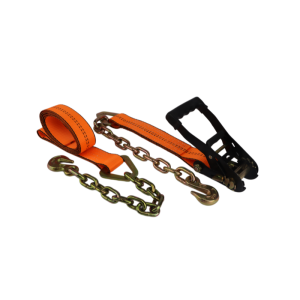
All FTrade retractable tie-down straps and ratchet tie-down straps with chain ends and grab hooks are designed for reliable load security, and perform best when paired with proper edge protection for sharp loads.
4. Improper Tensioning & Handling
Small handling errors silently reduce strap strength and increase failure risk.
Common handling mistakes
- Twisted webbing: A folded or twisted strap only bears load on a narrow strip of fabric, reducing total holding strength and accelerating fiber wear.
- Tying knots to shorten straps: Knots create sharp stress points that concentrate force, causing the webbing to fail at a fraction of its rated strength.
- Loose excess webbing: Flapping loose strap can snag on moving parts or work itself undone during transit.
- Forgetting to lock the ratchet handle: A partially open ratchet handle can pop free in transit, releasing tension and letting the cargo shift.
Best practice
- Keep webbing flat and fully unfolded against the cargo for even force distribution.
- Never tie knots or attempt makeshift repairs on a damaged strap.
- Thread webbing correctly, pull all excess slack through before tensioning, and press the ratchet handle fully closed until it locks into place.
5. Poor Storage & Neglect
How you store straps between trips directly impacts their lifespan and performance. Exposure to the elements degrades webbing far faster than normal use.
Common storage mistakes
- Leaving straps exposed to direct sunlight, rain, and road salt in truck beds
- Storing straps wet or tightly coiled while damp
- Throwing straps in a pile where they get twisted or damaged
Best practice
- Allow straps to fully air dry before storage.
- Coil them loosely and hang them in a cool, dry place away from direct UV exposure.
- Inspect again before each use, even if they were in good shape when stored.
Final Safety Summary for Ratchet Straps
Safe cargo securement comes down to small, consistent habits. Always verify the working load limit, inspect straps before every trip, use edge protection for sharp loads, tension webbing correctly, and store gear properly. These simple rules apply to all ratchet strap styles, from standard heavy-duty tie-downs to retractable models.
Taking a minute to check your straps before hitting the road prevents costly damage, compliance issues, and life-threatening accidents.
FAQ
How do I find the working load limit on a ratchet strap?
The WLL is printed on a permanent tag or label attached to the strap assembly. Always read it before securing a load, and compare it to your total cargo weight. The rating covers the entire assembly, not just the webbing.
When should I throw away a ratchet strap?
Retire any strap with fraying, cuts, tears, or weakened stitching. Also replace straps that show signs of UV damage, stiffness from freezing, mold, or a musty odor. Even minor damage can lead to sudden failure under load.
Do retractable ratchet straps need edge protection?
Yes. Sharp corners cut through webbing on any strap design, including retractable models. Edge protectors spread tension and prevent abrasion, preserving the strap’s full strength rating and extending its service life.
What is the proper way to store ratchet straps?
Loosely coil each strap and hang it in a cool, dry, well-ventilated area away from direct sunlight, rain, and road salt. Never store straps while they are still wet.