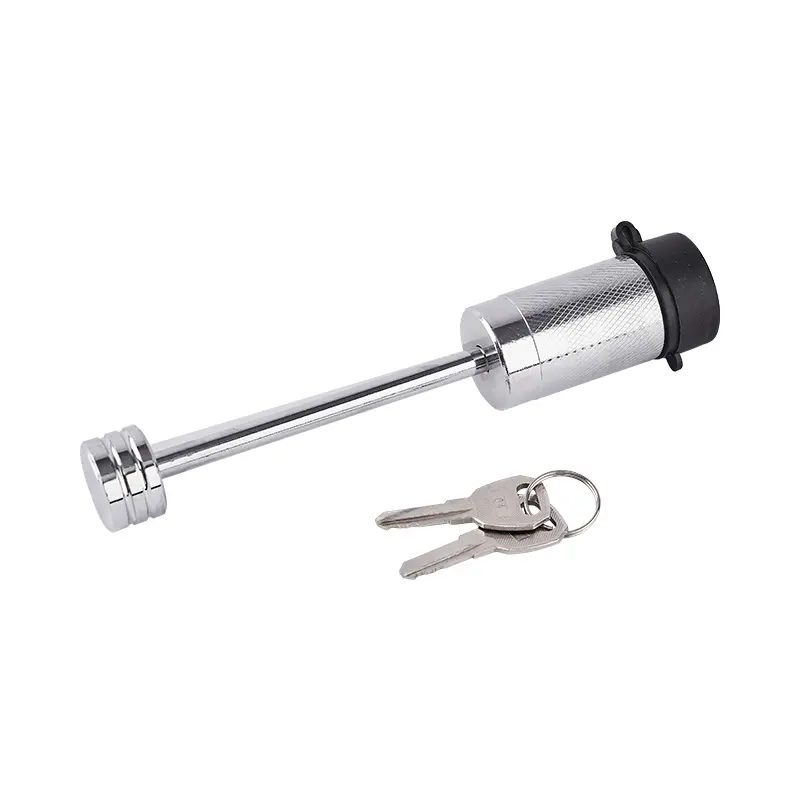
Yes, trailer wheel locks do work — but their real value lies in deterrence and delay, not total theft prevention. A well-made, properly fitted wheel lock stops casual opportunistic thieves and buys critical time against determined attackers. No lock can make a trailer completely theft-proof, but a quality model is a highly effective first layer of any broader trailer security plan.
Key Takeaways
- Trailer wheel locks deter casual thieves and slow down prepared attackers by adding time and noise to a theft attempt.
- Choose a hardened steel lock with a tight, precise fit to your wheel size for the strongest protection.
- Wheel locks alone are not enough; pair them with a coupler lock, kingpin lock (for fifth wheels) and GPS tracker for full coverage.
- Visible, bright-colored locks enhance deterrence by making high-effort theft obvious to passersby.
- Layered security with multiple barriers across different attack paths delivers the strongest theft protection.
How Do Trailer Wheel Locks Work?
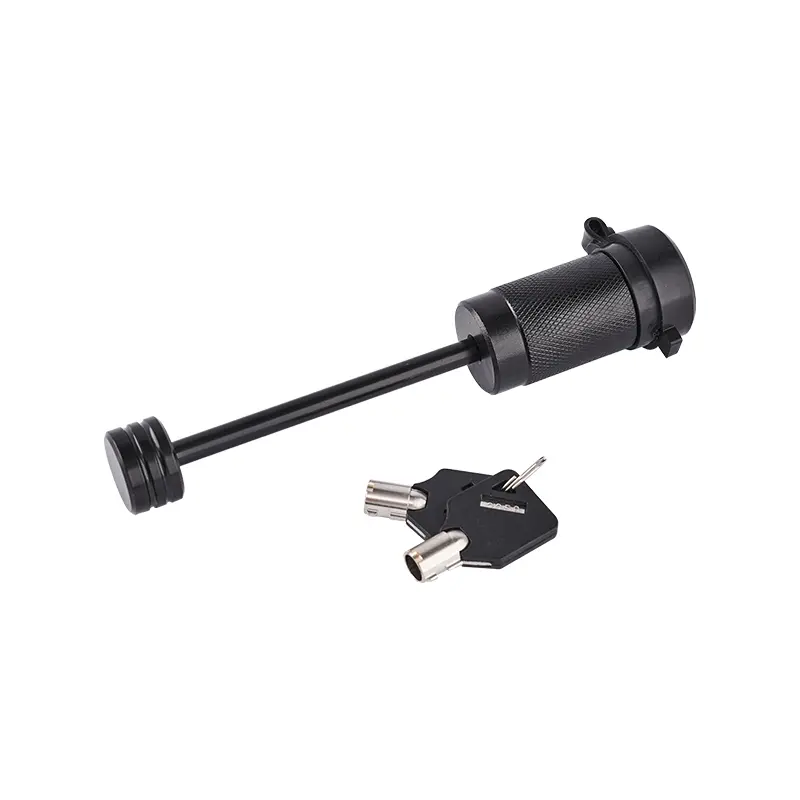
A trailer wheel lock (also called a chock lock) clamps securely onto a parked trailer’s wheel to restrict tire rotation, making the trailer much harder to tow away.
Common Design Types
Two main designs dominate the market:
- Locking wheel chocks: Wedge against the tire and lock into place to block rolling.
- Wheel clamps: Wrap around the full wheel and tire for a tighter, more secure grip.
Both use a keyed or combination locking mechanism to hold a hardened steel pin or arm firmly against the tire. When engaged, the lock creates a physical barrier that prevents the wheel from turning normally. A thief cannot simply hook up and drive away — the trailer would drag instead of rolling, making a quiet getaway nearly impossible and risking damage to the trailer that most thieves will avoid.
For fifth-wheel and gooseneck trailers, many owners add a kingpin lock to secure the hitch point alongside a wheel lock. Together they immobilize the trailer far better than either device alone.
How Effective Are Trailer Wheel Locks Against Theft?
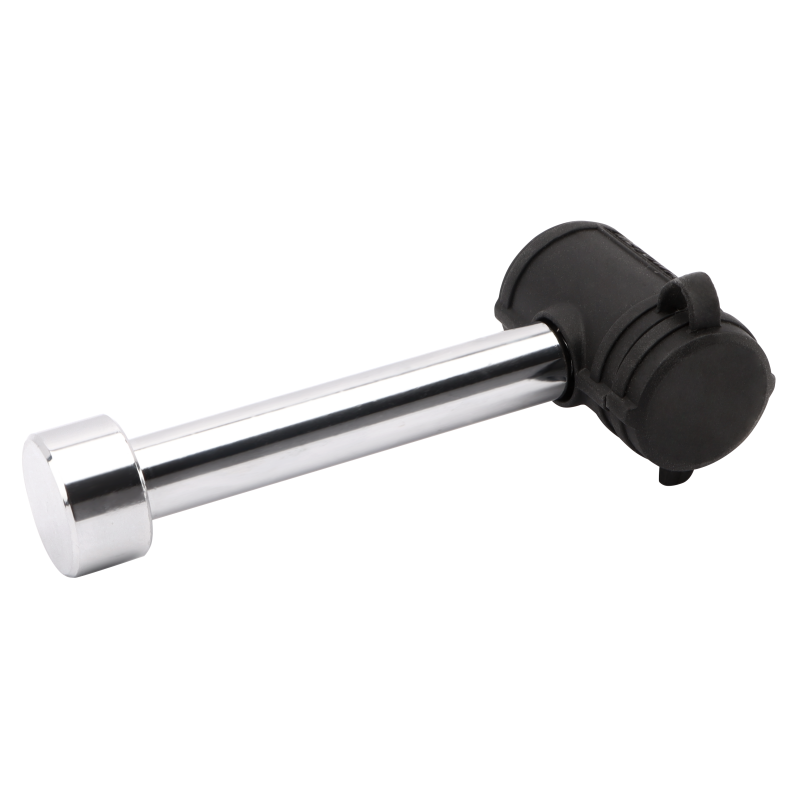
Security professionals universally agree: no lock stops a determined thief with power tools and unlimited time. Wheel locks work by changing the thief’s cost-benefit calculation.
Deterrence: Stopping Opportunistic Theft
Most trailer thefts are crimes of opportunity. A thief spots an unsecured trailer and can hook up and drive away in seconds. A visible wheel lock completely changes that math: the thief would need tools, time and privacy to remove it. Most will move on to an easier target rather than take the risk.
Bright, highly visible locks amplify this effect. Thieves prefer quiet, fast, low-visibility jobs — an obvious lock removes all three advantages.
Delay: Buying Time Against Prepared Thieves
A thief who decides to attack the lock will need power tools (typically an angle grinder) to cut through hardened steel. Every minute of cutting adds noise and increases the chance of being seen. A quality lock can add 5–15 minutes of work, which is often enough to scare off even prepared attackers.
Key Limitations
Wheel locks only protect against one theft method: rolling the trailer away. They do not stop:
- Thieves who loop safety chains around a tow hitch and drag the trailer without rotating the locked wheel
- Thieves who lift the entire trailer onto a flatbed truck
- Extremely cheap, thin-metal locks that can be pried or cut in seconds
Some low-quality locking chocks also have a known issue where the locking pin can jam and fail to retract, stranding the trailer. Regular lubrication and proper storage reduce this risk.
What Impacts How Well a Wheel Lock Works
Three factors determine how much protection a lock actually delivers:
- Build quality and material: Hardened steel construction resists cutting and prying far better than soft cast metal. Check metal grade and weld quality before buying — a cheap lock buys almost no delay.
- Precision fit: The lock must match your wheel diameter and width, and sit tight against the tire. A loose clamp leaves gaps that a thief can exploit with a pry bar.
- Correct installation: A lock mounted at the wrong angle leaves exploitable gaps. Always test fit before leaving the trailer parked long-term.
Are Wheel Locks Enough on Their Own?
No — a wheel lock only covers one attack path. For reliable theft protection, you need a layered security plan that covers multiple points of vulnerability.
Trailer Security Tools Compared
| Device | What It Protects | Best For |
|---|---|---|
| Wheel lock | Blocks wheel rotation and roll-away theft | All trailers; first line of defense |
| Coupler lock | Seals the trailer coupler to prevent hookup to a tow ball | Standard bumper-pull trailers |
| Hitch pin lock | Secures the receiver hitch pin | Trailers connected to tow vehicles |
| Kingpin lock | Locks the fifth-wheel kingpin hitch point | Fifth-wheel / gooseneck trailers |
| GPS tracker | Enables location tracking and recovery after theft | High-value trailers, high-risk parking |
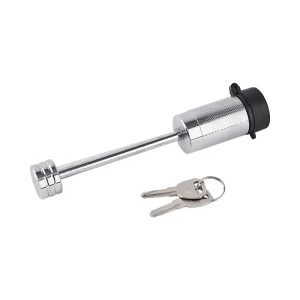
For securing the hitch connection point, FTrade hitch locks offer a reliable solution. Their lineup includes DB, TW, CT and MT series straight and bent pin models in 1/2″, 5/8″ and 3/4″ diameters to fit most standard receiver sizes, adding a second security barrier that wheel locks cannot cover.
Recommended Layered Setups by Risk Level
- Low-risk (residential driveway, short stays): One quality wheel lock
- Medium-risk (storage lots, campgrounds): Wheel lock + coupler / hitch pin lock
- High-risk (high-value trailers, long-term public parking): Wheel lock + coupler/kingpin lock + hidden GPS tracker
- Long-term extended storage: Add wheel removal for maximum security
FAQ
Are trailer wheel locks worth the money?
Yes, for most owners. A visible wheel lock stops casual thieves entirely and buys critical delay time against prepared attackers. They deliver the most value for trailers parked in shared lots, campgrounds or storage yards. Cheap thin-metal locks offer very little protection, so invest in a sturdy hardened steel model.
Will a wheel lock damage my tire or wheel?
No, a properly fitted lock will not cause damage. Quality designs spread pressure evenly across a wide contact area on the tire sidewall. A loose or incorrectly installed lock can rub or scuff the wheel over time, so always confirm a tight, secure fit before long-term parking.
Do trailer wheel locks fit all trailers?
No, fit depends on wheel diameter and tire width. Always match the lock to your exact tire size. A loose fit drastically reduces security by giving thieves room to work with pry bars. Test the fit before relying on the lock for long-term parking.
Can a wheel lock replace a coupler lock or GPS tracker?
No. Each device guards a different theft path: wheel locks stop rolling, coupler locks prevent hookup, and GPS trackers aid recovery. Layered security with multiple devices is always stronger than a single lock.
How do I choose a good trailer wheel lock?
Prioritize hardened steel construction, clean solid welds, and a precise fit to your wheel size. Bright, visible finishes add extra deterrence value. Start with a lock that fits tightly, then add complementary security layers for your risk level.