Many truck owners switch between heavy-duty pickups and often wonder if towing parts from different manufacturers can work together. The center Ram gooseneck ball generally fits into a Ford puck system. That said, safety chain anchors are truck-brand specific and cannot be interchanged. Anyone towing heavy loads needs durable, dependable gooseneck hitch components. Proper hardware makes every haul safer and lets you pull maximum rated weights without hassle.
Key Takeaways
- A Ram gooseneck ball drops straight into Ford puck systems; no extra tools are required for installation.
- Safety chain anchors do not cross over between brands. The outer bed mounting hole patterns are not interchangeable.
- Always inspect locking pins and confirm weight ratings before hitting the highway to maintain towing safety.
Will a Ram Gooseneck Ball Fit a Ford Truck?
OEM Puck System Compatibility Explained
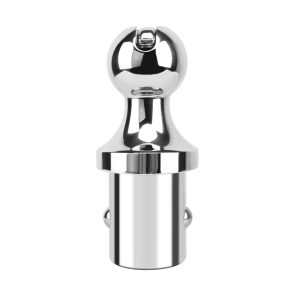
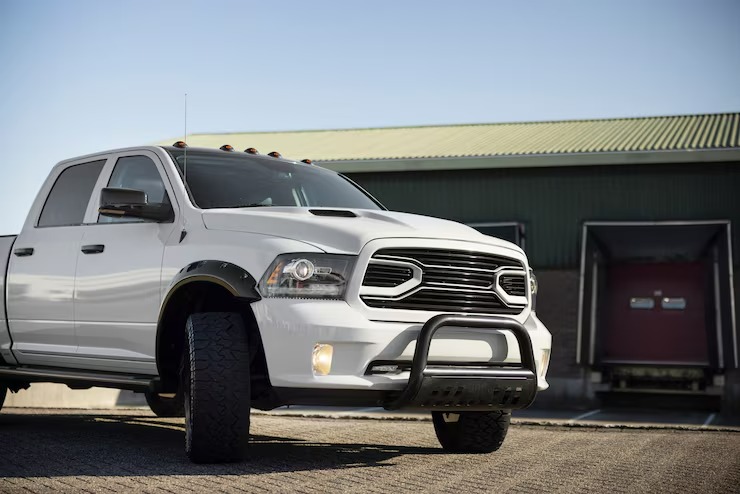
Many operators cycle through heavy-duty work trucks and want to know if hitch hardware transfers across brands. Ford and Ram gooseneck setups share matching core dimensions. A Ram trailer balls will seat properly inside a Ford under-bed receiver. Most modern heavy-duty pickups come equipped with factory hitch packages built around a central opening for quick ball installation. When fitted correctly, these systems deliver stable trailer performance on every trip.
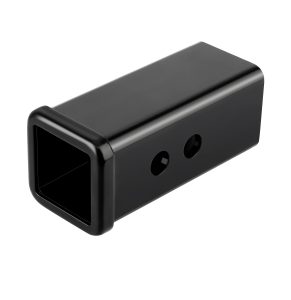
Center receiver hole dimensions follow consistent industry standards. Both automakers build their truck beds around common ball shank sizes. OEM center points are machined for standardized ball fitment, so factory balls install without modification. Internal locking mechanisms hold firmly under heavy loads, making it easy for owners to move the ball between compatible trucks.
Ram and Ford Safety Chain Anchor Differences
Cross-brand compatibility only applies to the central ball opening. Safe towing also relies on securely mounted safety chain anchors. These two manufacturers use completely different layouts for the outer mounting holes. One brand spaces the outer mounting points wider, while the other uses a unique hole geometry.
Because of these layout variations, safety chain anchors cannot be swapped. You cannot mount safety chains into mismatched bed holes. Fifth-wheel adapters also fail to transfer between brands. Each truck maker designs bed hardware exclusively for its own chassis.
You must purchase brand-specific safety chain loops. Mismatched safety hardware creates serious road hazards. Heavy-gauge steel components keep loaded trailers secured reliably. Always verify fitment prior to towing any heavy trailer. Correctly matched parts prevent catastrophic hitch failures while driving.
Physical Features of Gooseneck Hitch Balls
Standard Shank Diameters and Locking Pins
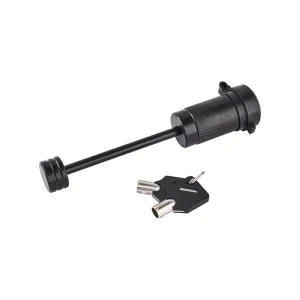
Heavy trucks demand precision-machined metal components for serious towing jobs. A Ram gooseneck ball fits OEM bed openings and installs without special tools. Internal steel lock lugs extend up from beneath the truck bed. An upper handle controls these heavy-duty locking pins. Flip the center lever to engage and lock the ball in place.
Proper sizing keeps your setup stable on long hauls. Common shank diameters range from 5/8 inch up to 1-1/4 inches. Varied shank sizes create a tight, secure fit inside receiver bases. Precision manufacturing cuts down unwanted vibration and dangerous shifting during transport.
Weight Ratings and Towing Capacities
Load limits hinge on steel quality and heat treatment. Hot-forged steel resists fracturing under continuous road stress. Popular ball sizes include 1-7/8”, 2”, and 2-5/16”. Oversized 3-inch balls handle large commercial trailer applications.
| Ball Diameter | Capacity Limit |
|---|---|
| 1-7/8″ to 2″ | Up to 10,000 lbs |
| 2-5/16″ to 3″ | Up to 30,000 lbs |
Towing operators need to check component weight ratings before hooking up trailers. Heavy-duty gooseneck balls can safely handle loads as high as 30,000 lbs and work well with large livestock trailers. Frequently test all lock mechanisms while on the road. Quality hitch hardware distributes heavy weight evenly across the rear axles.
Choosing Quality Heavy-Duty Gooseneck Hitch Balls
Hot-Forged Steel vs Standard Towing Balls
Hardcore highway towing requires robust components for safety. Solid hot-forged steel is the best option for demanding work. The metal is formed under extreme heat to create a single solid piece with no weak internal areas. This rugged material holds up on rough pavement and avoids breakage over long distances.
High tensile strength prevents bending under load, supporting weights up to 30,000 lbs. Ordinary balls tend to fail quickly under sustained heavy stress. Anyone hauling large equipment needs trustworthy hardware. Investing in hot-forged balls lowers risk on long trips and delivers consistent performance for heavy hauling.
Weather Resistance and Protective Finishes
Exposed metal hardware deteriorates over time when exposed to the elements. Rain, coastal salt air and road salt accelerate corrosion. FTrade supplies long-wearing gooseneck balls for pickup trucks. The brand applies specialized coatings to fight rust, protecting parts even in harsh operating environments.
Buyers can select polished chrome or matte powder coat finishes. Stainless steel variants also offer strong wear resistance. These barrier coatings stop the ball from seizing inside receiver bases. Top manufacturers enforce strict testing protocols for every part to guarantee consistent quality for heavy-duty puck systems.
Safe Towing with Ford and Ram Gooseneck Systems
Verifying Proper Lock Engagement
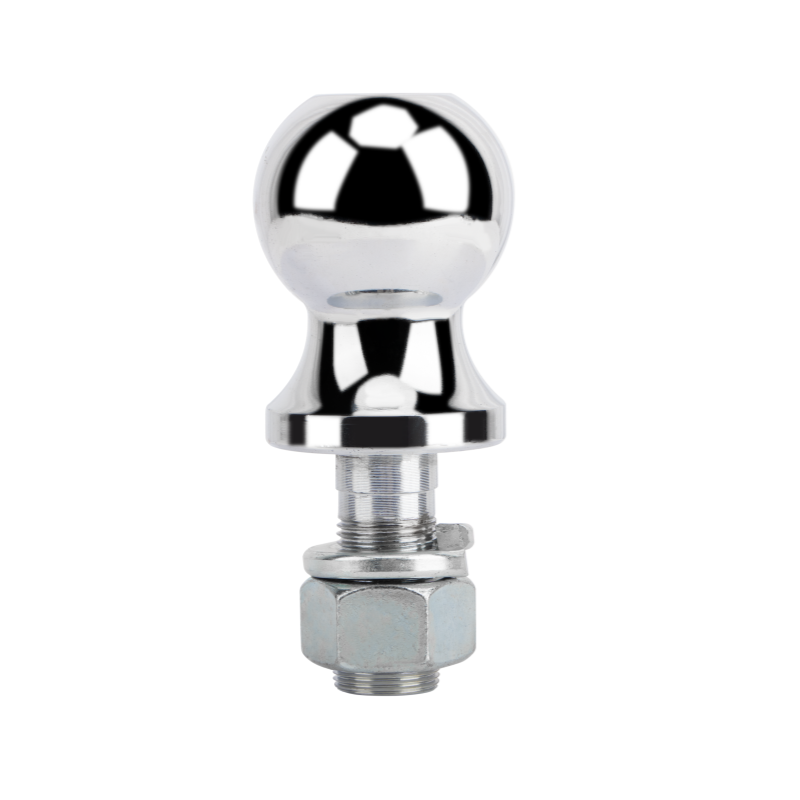
Take time to fully inspect locking pins before attaching your trailer. Push the main lever all the way down to seat the Ram ball securely. Steel locking tabs grip into machined grooves. Perform a simple manual pull test on the ball to confirm it cannot lift free.
Ford drivers must engage the safety latch to activate the central locking mechanism. The top lever sits flat once fully locked. Partially engaged pins lead to excessive movement at highway speeds. Confirm your entire setup before pulling heavy loads to protect your vehicle and trailer.
Inspecting Towing Equipment Before Use
Routine inspections keep your gooseneck hitch operating safely. Clean out the central receiver cavity before inserting hardware. Remove dirt, rust and debris. Clean contact surfaces allow smooth ball insertion. Clear the locking channels on Ram trucks to stop pins from sticking during operation.
Check every hitch component for visible damage. Watch for metal cracks, worn threads and bent safety chain loops. Damaged gooseneck hardware compromises overall road safety. Replace worn hitch parts immediately. Properly fitted assemblies manage extreme loads reliably.
A Ram center gooseneck ball offers good cross-compatibility. It drops directly into Ford underbed hitches.
It also works with factory Ram hitch receivers. Even so, safety chain anchors require model-specific hardware.
Each truck brand uses unique anchor hole layouts.
Operators must review all gross weight limitations.
Double-check shank dimensions before long-distance trips.
Test locking pin function to confirm safe engagement.
Pickup owners should rely on heavy-duty hot-forged hardware.
ISO-certified components deliver stable, consistent performance.
Premium hardware keeps heavy highway towing operations secure.
FAQ
Can drivers use a Ram gooseneck ball in a Ford truck?
Yes, center balls fit Ford and Ram hitches easily. Both brands use standard shank sizes.
Do safety chain anchors swap between truck brands?
No, chain anchors need special setups. Ram and Ford build unique outer hole patterns.
Why do truck owners verify their towing equipment before trips?
Checking parts keeps locking pins tight. Owners stop trailer detachment this way. Safe setups help heavy highway hauling.