The short answer is yes. A 2-5/16 inch trailer coupler can separate when mounted on a 2-inch hitch ball. There will be a 5/16-inch clearance gap that creates a dangerously loose fit. This size mismatch prevents the coupler’s locking latch from fully engaging and gripping the ball firmly. Road vibration from bumps can jostle the loose coupler free, leading to complete trailer detachment.
⚠️ Warning: Towing with mismatched hardware creates severe structural instability and risks catastrophic component failure.
An unsecured trailer will swing violently side to side. If the coupler separates mid-tow, drivers can quickly lose vehicle control. Using incorrectly sized towing hardware poses serious safety hazards. Always double-check exact dimensional specifications first. This simple step prevents trailer detachment and ensures a solid, reliable connection every time you tow.
Key Takeaways
- A 2-5/16” coupler will slip off a 2-inch hitch ball due to excessive clearance.
- Poorly matched towing hardware causes serious road collisions and permanent equipment damage.
- Inspect size markings stamped on your hitch and coupler before every trip.
- Cross safety chains underneath the trailer tongue; this secondary support can catch the trailer in an emergency detachment.
Why Coupler Mismatch Causes a Hitch Fall Off Risk
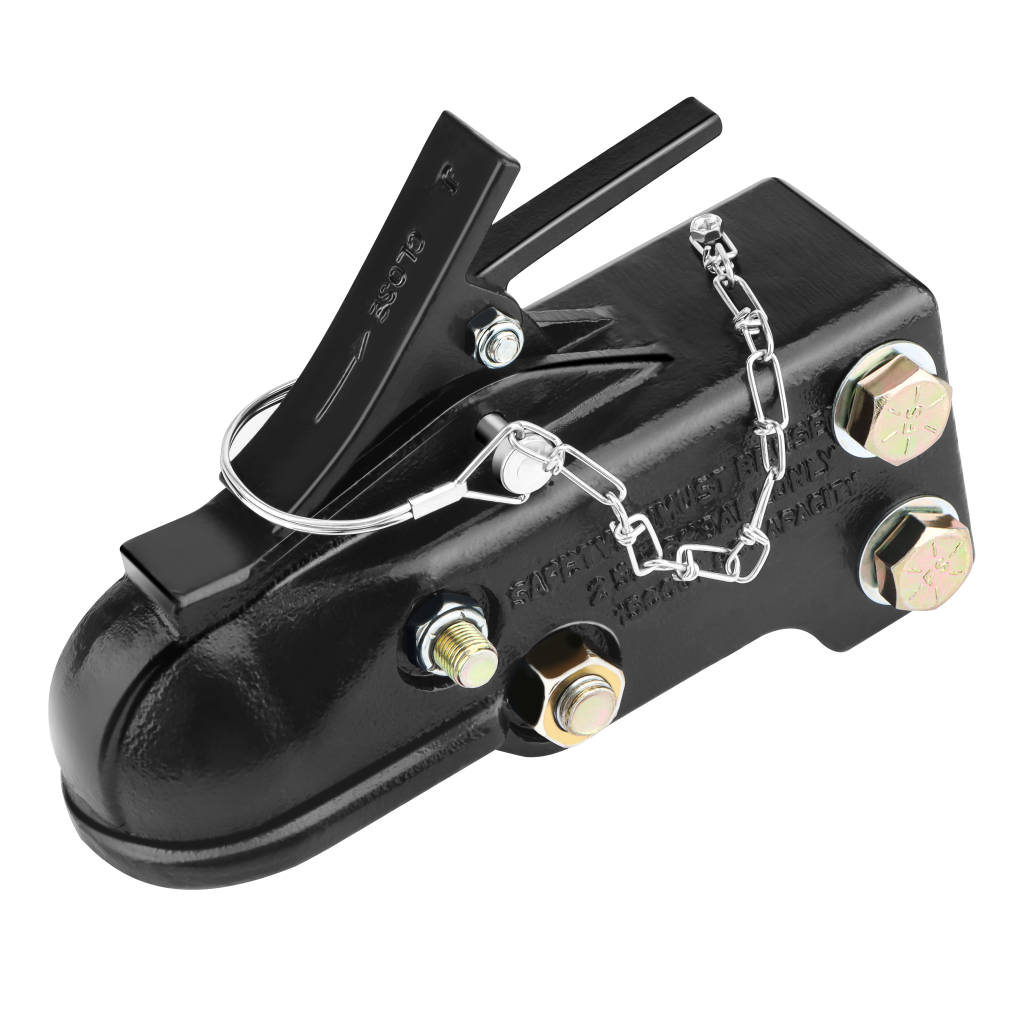
Towing hardware links the tow vehicle to a loaded trailer. Every component requires precise dimensional alignment to maintain safe operation. Fitting an oversized coupler onto a smaller hitch ball is a common mistake that can trigger sudden, dangerous trailer separation on public roads.
Mechanics of Ball and Coupler Mismatch
A 2-5/16 inch trailer coupler is engineered to pair with a matching ball diameter. Larger coupler housings cannot lock securely onto smaller balls. The internal locking latch fails to wrap fully around the ball surface. The clamping cavity inside the coupler is manufactured to conform to a specific curved profile. When you place a 2-5/16” coupler over a 2” hitch ball, a 5/16-inch void forms inside the assembly. This large gap allows constant shifting of the trailer tongue.
💡 Technical Note: Proper installation relies on sufficient torque for safety. Shank fasteners should be torqued to 250 ft-lbs. Insufficient tightening allows road vibration to back off the bottom nut, rapidly creating an unsafe connection under heavy loads.
Minor fitting flaws become critical failures on rough pavement. Normal driving generates vertical bounce and sharp steering forces. These movements pry loose couplers away from the ball surface. Mismatched couplers lack enough clamping force to withstand road shocks. Once unlatched, they bounce repeatedly until they slide completely off. Improper hitch class selection adds extra stress to the entire towing assembly.
Safety Risks of Wrong Hitch Ball Sizes
Loose trailers create major dangers for all traffic. When the tongue drops after detachment, drivers struggle to maintain control. Unsecured loads can drift across multiple highway lanes at speed.
| Speed | Terrain / Load | Outcome & Chain Performance | Key Driving Factor |
|---|---|---|---|
| 60 mph | Incline (Upgrade) | Stopped with zero damage; strong safety chains held | Stopped slowly without using the main vehicle brakes |
| 60 mph | 1,400 lbs Boat Trailer | Safe stop, but metal eye hooks bent badly | Big force nearly broke weak hook connectors today |
Crossed safety chains effectively support a falling trailer tongue after separation. As the trailer pulls backward, the chains tension up and form a supportive cradle, buying the driver time to bring the tow vehicle to a controlled stop.
Secondary safety hardware cannot eliminate all detachment risks. At highway speeds, safety chains may fail under certain conditions:
- Chain Slack: When the tow vehicle brakes, an uncoupled trailer surges forward. Crossed chains lose tension, letting the coupler crash onto the roadway.
- Braking Reaction: Aggressive trailer brake activation slams heavy tongue weight downward abruptly.
- Connector Breakage: Small steel eyelets bend or fracture under sudden impact loads.
Drivers must verify hardware dimensions before towing any load. Properly sized components protect everyone on the road. Complete hardware inspections are essential to avoid trailer separation.
Hitch Problems and Road Hazards from Mismatched Couplers
Using incompatible towing hardware leads to widespread hitch complications. Dimension mismatches introduce substantial safety risks for operators.
Catastrophic Hazards of Unhooked Trailers
A separated trailer presents an immediate severe roadway hazard. Once the coupler slides off the ball, drivers lose command of the load. Unhitched trailers frequently trigger serious accidents:
- Head-on collisions with passenger vehicles or school buses
- Chain-reaction crashes that block major bridge traffic lanes
- Crossing median barriers into oncoming traffic
- Forcing other motorists to swerve and collide
- Vehicle rollovers following impact with loose heavy loads
Many trailers come fitted with emergency brakes that slow the unit if separation occurs mid-drive. Still, backup systems cannot prevent every detachment scenario. Crossed safety chains must keep the tongue lifted off pavement. Under extreme load, low-grade chains snap easily. Chains rated to match your trailer weight maintain load restraint and prevent severe collisions.
Road Failures from Loose Towing Setup
A sloppy fit imposes abnormal stress on every connected part. Loose couplers shift violently during hard braking. Ongoing movement causes metal fatigue over time. Poorly matched hardware damages couplers and sets the stage for serious crashes.
Operators also face significant legal consequences following major collisions.
| Penalty / Liability Category | Details & Impact |
|---|---|
| Civil Fines | Fines can go over $10,000 for bad limits. |
| Negligence & Accident Liability | Towing unsafe loads brings big fault and legal cost. |
| Evidentiary Exposure | Missing safety papers makes proving your care very hard. |
| Warranty Voidance | Ignoring ratings lets dealers deny fix claims quickly today. |
Transport regulations require all towing connections to remain secure at all times. Drivers must confirm all dimensions before departing. Loose assemblies endanger public roadways, and correctly matched hardware prevents these incidents.
Safe Hitch Compatibility: Matching Coupler and Ball Sizes
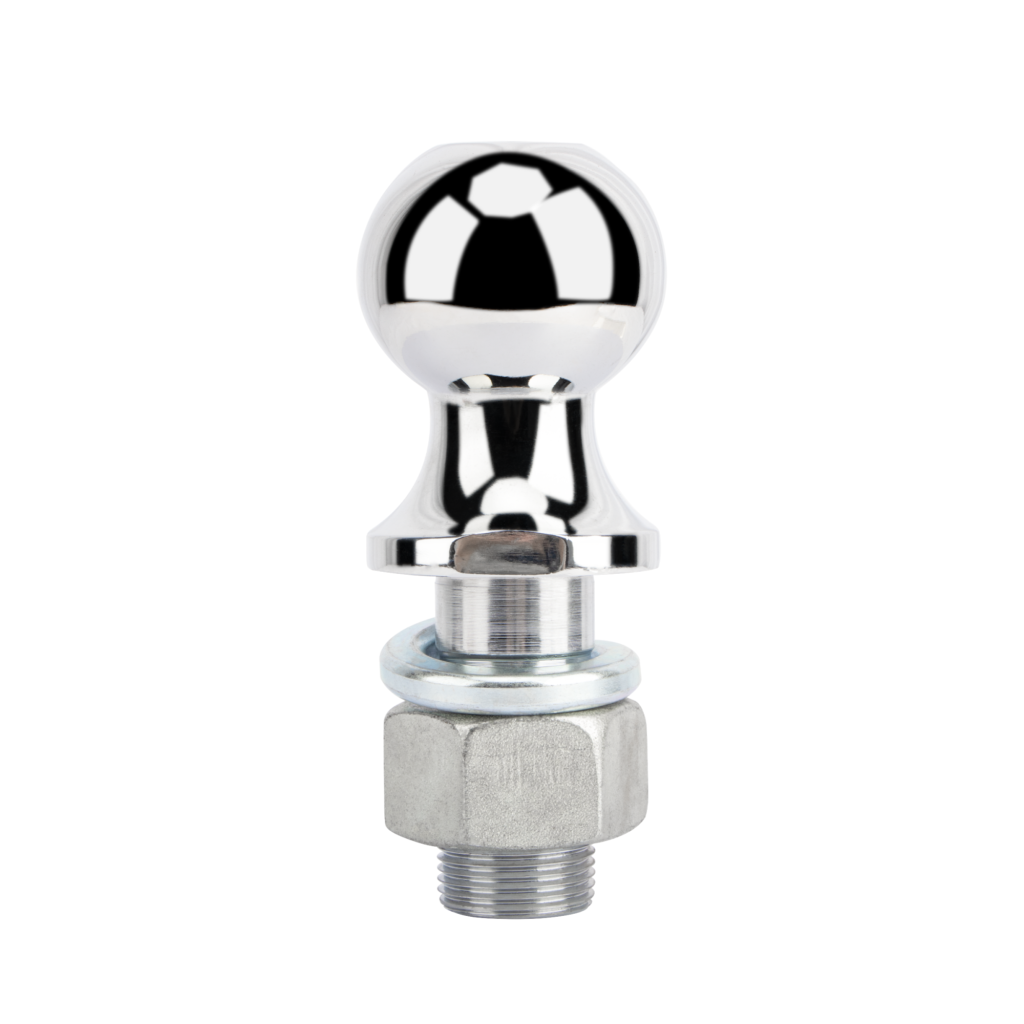
Verifying Stamped Hitch Ball Markings
Operators should inspect every component before towing. Manufacturers stamp size information directly onto metal surfaces. Couplers carry size markings near the latch, while hitch balls have sizing stamped on the top or base. Checking these markings avoids costly and dangerous size mismatches.
If stamped labels have worn away, use measuring tools to confirm dimensions:
- Calipers: Preferred by professionals for precise ball diameter readings
- Rulers or Tape Measures: Practical for quick field verification
A precise fit eliminates hazardous free play. Accurate sizing guarantees a secure connection for every trip. Tight mating surfaces prevent unexpected trailer uncoupling and protect hardware over rough terrain. Matching dimensions creates reliable towing connections.
Matching FTrade Equipment to Prevent Trailer Hitch Problems
Commercial operators minimize serious breakdowns with robust quality hardware. FTrade manufactures heavy-duty components for all trailer types. The engineering team builds custom parts to strict dimensional standards. Precision manufacturing ensures consistent component fitment and helps operators avoid roadside towing failures.
Advanced design features extend service life for heavy-duty equipment:
- Alternative Mechanical Linkage: Reinforced connections paired with sealed bearings
- Friction Reduction: Eliminates sliding contact to slow metal wear and cut lubrication demands
- Environmental Shielding: Protective housings shield internal components from harsh weather
Drivers maintain safe assemblies by following standard protocols: match hitch systems to the trailer’s rated load capacity, cross safety chains neatly beneath the tongue. Heavy-duty chains act as a backup if the primary latch fails. Always select dimensionally matched hardware before hitting the road. Correct sizing protects all highway users.
Towing hardware demands precise mating. Minor dimensional errors trigger major safety events. Smaller hitch balls create excessive clearance, allowing large coupler housings to shift freely — this is what causes trailer detachment. Road bumps knock loose couplers free and create immediate traffic hazards.
💡 Always locate and read stamped size markings on all towing hardware.
A proper fit saves lives. Follow this safety checklist before towing equipment:
- Complete a full walkaround inspection of tow vehicle and trailer
- Test overall braking performance and emergency brake systems
- Verify all turn signal lights function
- Confirm overhead clearance limits
- Scan travel routes for potential obstacles
- Take photos documenting the secured hitch connection
FAQ
Can a driver use a 2-5/16 inch trailer coupler on a smaller ball?
⚠️ Important Safety Note
No. Components must fit accurately. Oversized couplers create severe towing risks, and the latch will never fully lock.
What happens when towing hardware components do not match?
Incorrect sizing accelerates hardware failure on the road. Road bumps dislodge loose couplers from a 2-inch hitch ball.
How do safety chains protect a disconnected trailer?
Crossed steel chains support the falling trailer tongue off the pavement. This cradle gives the driver time to come to a safe stop.
Does selecting a wrong hitch class cause vehicle damage?
Yes. Mismatched hitch classes exceed weight limits, triggering towing assembly issues and primary hitch damage.
How do operators verify correct attachment dimensions?
Operators check stamped hardware numbers before trips. Correct parts stop a hitch fall off.