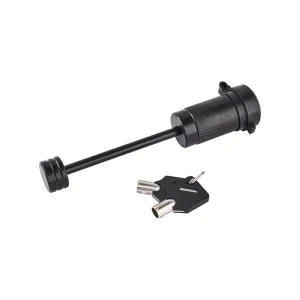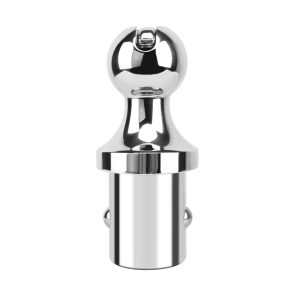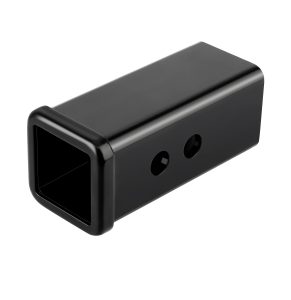
Many tow operators frequently ask about safety concerns when towing with adapters. To put it simply: installing a dedicated reducer sleeve inside a 2.5-inch receiver works safely for medium-duty towing, but operators must adhere to the reduced weight capacity ratings.
💡 Capacity Derating Rule: Once a reducer insert is fitted, the overall load rating of your towing setup is governed by the weakest component. In most cases, this modification effectively cuts the maximum towing weight in half.
This setup allows drivers to keep using their standard towing hardware for everyday hauling and light recreational trips. Proper trailer hitches selection lays the foundation for safe towing. A 2-inch reducer insert handles routine loads without issues. For heavy-duty applications, however, a dedicated 2.5-inch hitch shank is mandatory — do not rely on a reduced 2-inch adapter configuration.
Key Takeaways
- Reducer sleeves are suitable for safely towing light loads such as bike racks and small boats.
- Fitting a reducer insert will halve your allowable total towing weight.
- The weakest component within your entire hitch assembly determines your actual load limit.
- Anti-rattle clamps eliminate shaking and noise, while reducing premature wear on metal components.
- Any load exceeding 10,000 lbs requires a direct connection with a genuine 2.5-inch hitch shank.
Is Using a Trailer Hitch Adapter Safe?

Heavy towing demands robust hardware. Many pickup owners question the safety of down-sized adapter solutions. Industry professionals confirm that properly manufactured steel reducer sleeves perform reliably under regular driving conditions. Major hardware brands produce heavy-gauge steel inserts engineered for consistent strength, and quality steel construction holds up well during routine use.
Light loads can be towed safely with proper caution, yet heavy towing creates extreme mechanical stress. Below are critical safety notes regarding reducer inserts:
- Intermittent safe operation: Inserts work reliably for light recreational loads, including small boats and bike racks for weekend trips.
- Hazards under heavy use: Regular heavy towing leads to increased play between components, persistent noise and poor coupler alignment.
- Accelerated component wear: Rough pavement causes metal-on-metal friction, elongated mounting holes, surface scuffs and advanced corrosion.
Safety Assessment Matrix
| Usage Type | Safety Level & Recommendation |
|---|---|
| Light / Recreational Towing | High safety rating; standard reducer insert acceptable |
| Frequent Commercial Towing | Moderate safety risk; regular hardware inspections required |
| Extreme Heavy-Duty Towing | Low safety rating; use direct-fit shank without adapters |
Receiver Reducers and Weight Ratings
A full-size large receiver tube is built to support substantial loads. Adding an internal reducer sleeve alters the structural performance of the assembly. Sleeves fill excess clearance inside the receiver. Manufacturers design these inserts for tight fitment, yet adding extra components introduces new operational limitations.
This modification lowers your maximum towing rating. The insert can reduce rated capacity by half. The extended length creates a longer lever arm, placing amplified shear stress on the hitch pin. Excessive free play leads to component shifting during hard braking. Operators must verify trailer weight before hitting the road.
⚠️ Critical Safety Warning: Stacking multiple adapters or inserts creates dangerous structural weak points and raises the risk of catastrophic hardware failure.
Primary risks associated with reducer inserts:
- Significant capacity loss: Reducer sleeves substantially lower safe maximum towing weights.
- Elevated mechanical stress: Extended adapter geometry exerts greater force on your vehicle’s frame.
- Diminished stability: Clearance gaps contribute to trailer sway at highway speeds.
- Structural failure risks: Multiple stacked adapters create vulnerable failure points.
The Lowest-Rated Component Rule
Trailer hitch systems consist of interconnected hardware. The entire assembly is only as strong as its lowest-rated part. Even if your receiver itself carries a high rating, pairing it with weaker accessories brings down overall safety limits. The main receiver houses the reducer sleeve, but the smaller shank of the insert defines your safe load threshold.
Operators should inspect every piece of hardware prior to hauling. Each component carries stamped weight ratings. One underrated part compromises the whole towing system, and the lowest marked rating becomes your maximum safe working load.
💡 System Rating Principle: Your full towing setup matches the strength of its weakest link. Never tow loads exceeding the lowest component rating.
Items to verify before every tow:
- Vehicle manufacturer’s maximum tow rating
- Factory receiver frame rating
- Reducer sleeve working load limit
- Ball mount shank rating
- Trailer coupler capacity
- Maximum allowable tongue weight
Correctly sized hitch hardware eliminates preventable road hazards. Precision fitment distributes load evenly across vehicle tires and prevents hardware fracture. Experienced operators check all stamped load markings before every trip.
Mechanical and Safety Effects of a 2-Inch Hitch Adapter
Heavy towing depends on dependable hardware. Reducer sleeves change how components interface with one another, and operators need to understand these functional changes.
Handling Receiver Slop and Rattle
Minor clearance exists between mating steel surfaces, commonly referred to as receiver slop. This gap allows component movement, which generates loud noise as the inner sleeve shifts back and forth.
Components shift rearward under acceleration and slide forward during braking, creating loud clunking sounds. Rough road surfaces worsen this issue. Poor fitment creates more than noise — it impairs handling, and loose hardware makes steering less predictable.
⚙️ Mechanical Tip: Unaddressed receiver play accelerates wear on mounting holes and gradually weakens structural connection points over time.
Drivers use tools to stop shaking. The chart shows smart fixes:
| Solution / Device Category | Specific Examples | How It Works | Primary Benefits |
|---|---|---|---|
| Anti-Rattle Hitch Pins | Silent Hitch Pin | Pins press tight inside tubes. | Stops wiggling and sets up fast. |
| Hitch Tightener Clamps | Anti-Rattle Hitch Clamp | Clamps squeeze outer metal parts. | Stops loose gaps and shaking. |
| Stable Hitch Carriers | TwinTube Carriers (e.g., GearDeck) | Two tubes support heavy loads. | Adds strength with built-in pins. |
| DIY Shimming Methods | Foam padding, rubber shims, electrical tape | Materials fill extra open space. | Cheap fix that stops noise. |
Risk of Rust and Seized Components
Moisture, road salt and rainwater become trapped inside tight clearance gaps. Bare steel corrodes rapidly in these confined spaces. Progressive rust can fuse metal surfaces together, causing sleeves to seize inside receiver tubes. Separating seized hardware often requires heavy-duty tools or cutting torches. Regular hardware cleaning prevents metal fusion.
🛠️ Maintenance Guidance: Remove reducer inserts periodically to clear debris, drain trapped moisture and reapply anti-corrosion treatments.
Coatings protect raw steel. Recommended treatment options:
| Product / Treatment | Type | Application / Usage Method |
|---|---|---|
| Steel It | Coating | Brush clean steel then paint. |
| Fluid Film | Anti-corrosion compound | Spray metal to stop rust. |
| Rust Check (Green Can) | Undercoat spray / Grease | Spray right onto rusty metal. |
| Rusty Metal Primer & Paint | Primer and Paint System | Clean rust then add paint. |
| Self-Etching Primer & Top Coat | Primer and Paint System | Scrape loose paint then coat. |
Pin Stress and Increased Leverage
Smaller shanks alter force distribution. Adapters shift the ball mount outward, creating an extended lever arm that multiplies force applied to the vehicle frame.
Many operators underestimate this physical effect. Extended leverage transfers amplified shear force onto the hitch pin and places extra strain on chassis components. Rear suspension becomes overloaded, the vehicle’s rear sags, and front wheel traction can reduce, making steering heavier.
Direct-fit hardware eliminates extended lever arms. Properly matched sizes support heavy loads securely. Responsible owners always inspect all towing hardware.
When to Choose a 2.5-Inch Receiver Over an Adapter
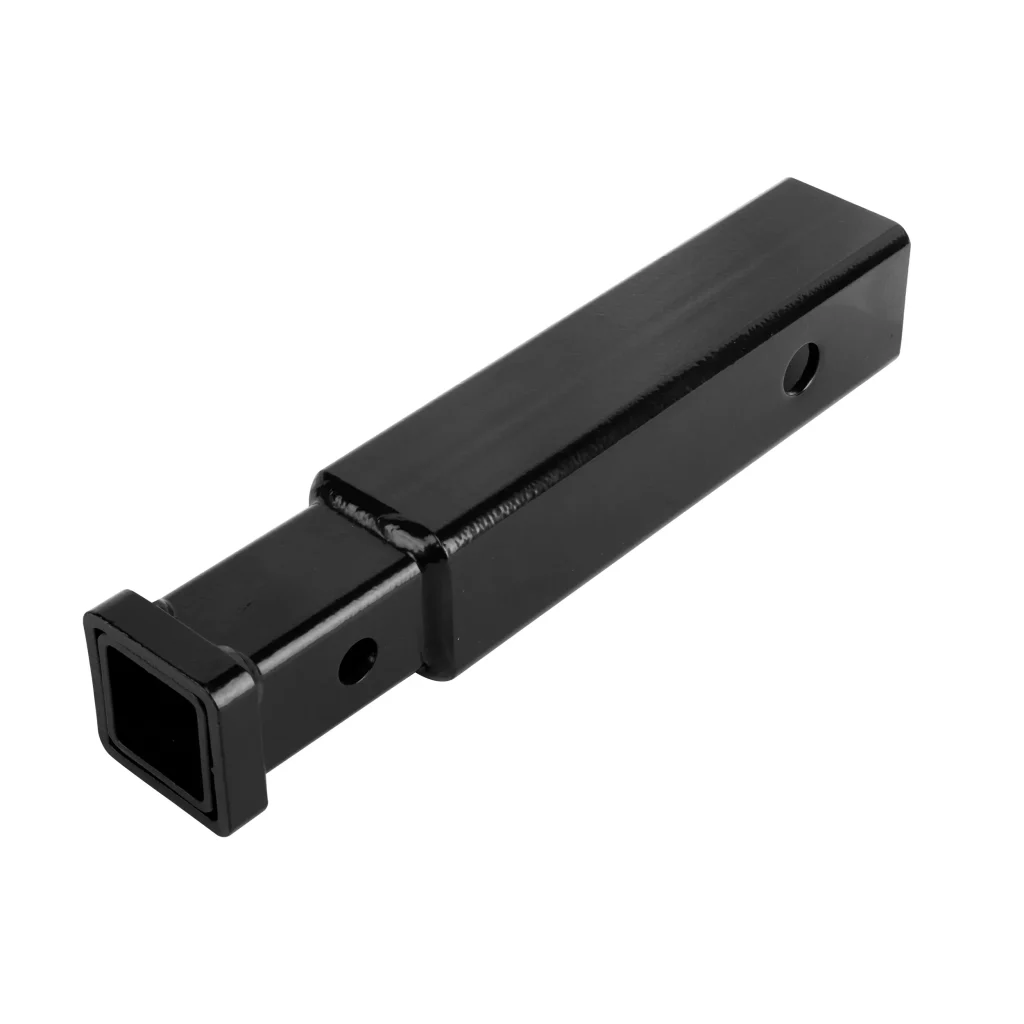
Big loads need direct fits. Total weight dictates your gear choice.
Light-Duty and Recreational Use
Many vehicle owners invest in 2-inch hardware for routine light tasks. Bike racks and cargo trays mount easily for light workloads.
💡 Usage Tip: Small adapter setups handle light loads adequately. Always confirm your vehicle’s rated capacity first.
Loads under 3,500 lbs create minimal frame stress. A reducer sleeve can be inserted into a 2.5-inch receiver tube for casual weekend towing. It works fine for light utility loads, though perfectly matched hardware delivers superior handling and reduces the risk of trailer sway on highways.
Heavy-Duty Towing Requirements
Massive loads demand rigid connections. Long-distance heavy hauling requires maximum safety, which is why a dedicated 2.5-inch hitch shank is recommended.
Key advantages of direct-fit hardware for pickup operators:
- Higher load capacity: 2.5-inch shanks are engineered for Class V receivers, fitted on 2500 and 3500 series heavy pickups. These setups support ratings up to 20,000 lbs for large trailers.
- No reducer sleeves required: Direct-fit shanks remove the need for adapters entirely, avoiding capacity reduction and compromised towing safety.
Solid one-piece connections maintain trailer stability through sharp turns. Serious heavy haulers avoid small adapters entirely, and commercial towing operations rely on direct-fit receiver hardware. A single continuous piece spreads load evenly across vehicle axles, and matched sizing minimizes internal metal wear. Fleet operators inspect hardware before long journeys, and dedicated 2.5-inch receivers stand up to demanding workloads.
| Setup Category | Towing Capacity Limit | Typical Application |
|---|---|---|
| Adapter System | Up to 10,000 lbs | Light utility towing |
| Direct System | 20,000+ lbs | Heavy commercial towing |
Essential Safety Precautions and Maintenance Steps for Using a 2-Inch Trailer Hitch Adapter
Installing Anti-Rattle Stabilization
Clearance gaps between reducer sleeves and receiver tubes reduce road stability. Anti-rattle hardware eliminates excess play and locks the whole assembly securely.
Two common clamp designs suit heavy workloads:
- Outer Clamp Mechanism: Fits over the shank and tightens externally to eliminate side-to-side wobble.
- Internal Threaded Pin/Bracket System: A wedge block sits inside the shank; a long threaded bolt pulls the block to press the shank against receiver walls.
Follow these steps for maximum stability:
- Position the U-bolt over the shank
- Fit the heavy metal backing plate underneath
- Tighten all nuts with a wrench until zero component movement remains
A tight assembly suppresses violent frame vibration. Secure sleeve fitment improves safety when traveling over rough surfaces.
Inspecting Your Trailer Hitch Assembly
Regular checks make gear last very long. Measure your hitch size before trips. Check all hitch parts for deep cracks. Look for metal wear and fatigue. Good setups keep your towing safe.
💡 Maintenance Tip: Regular care keeps gear very strong. It stops sudden broken part failures.
Good care makes towing gear last longer. This chart shows simple care steps:
| Maintenance Practice | Action Steps | Lifespan Extension Benefit |
|---|---|---|
| Regular Inspections | Check tubes, chains, and hardware monthly. | Finds bad cracks and loose parts fast. |
| Targeted Lubrication | Put thick waterproof grease on parts. | Reduces metal friction and stops rust. |
| Load Capacity Management | Follow all weight limits stamped on parts. | Stops bad metal bending under stress. |
| Active Rust Prevention | Keep parts dry and scrub away rust. | Stops road salt from eating metal. |
| Proper Storage & Security | Store gear indoors and use locks. | Keeps bad weather and thieves away. |
Operators should routinely audit their 2-inch adapter hitch setup and double-check safety conditions. Heavy-duty hitch pins prevent accidents, and reliable shanks secure heavy loads. Daily maintenance protects your vehicle’s factory hitch.
A reducer sleeve allows a 2.5-inch receiver to accept 2-inch hardware and works reliably for light loads. Any load exceeding 10,000 lbs requires full-size large-diameter shanks. Matching hardware dimensions protects vehicle frame integrity. Trusted brands such as FTrade manufacture heavy-duty towing hardware. Anti-rattle accessories lock assemblies tight, eliminate shaking and reduce metal wear on long hauls. A properly fitted receiver setup delivers smooth, stable towing.
💡 Safety Reminder: All operators must verify every stamped weight rating on trailers and complete hitch assemblies before traveling on public roads.
FAQ
Can gear fit a 2.5 inch receiver using an adapter?
Yes. Insert a reducer sleeve into the larger receiver opening to mount smaller hardware. Be aware the insert lowers your allowable towing capacity; cross-check all load labels before driving.
Does a hitch adapter sleeve reduce overall towing capacity?
Yes. The insert cuts maximum load capacity roughly in half. The weakest component establishes your working limit. Heavy applications require full-size matched hitch hardware.
How do drivers select the correct hitch size?
Compare trailer weight against hardware load ratings. Light loads can use a 2-inch adapter setup. Heavy towing requires direct-fit matched connections. Proper sizing prevents frame damage.
Why does a trailer hitch rattle inside a receiver?
Clearance gaps between mating metal surfaces create free play, leading to noise. This gap accelerates rust and wears on hitch pins. Tightening clamps eliminate movement and protect your entire towing assembly.