A swaying trailer on the highway often results from poorly maintained trailer hitches. The trailer hitch is a vital safety component, not just a metal part. Regular maintenance ensures safe towing. This guide covers hitch inspection, cleaning, rust prevention and pre‑trip safety checks. You can also get professional repair and maintenance services from FTrade to improve hitch performance and extend its service life.
Statistics show trailer‑related accidents killed 4,010 people in 2023, rising from 3,171 in 2012. More than 1,000 people are injured every day. Small‑scale routine maintenance helps you avoid costly repairs. As a reliable manufacturer and supplier, FTrade offers wholesale and custom towing accessories.
Key Takeaways
- Inspect your trailer hitch monthly for cracks, wear and loose hardware to prevent sudden failures.
- Clean and lubricate your hitch regularly to reduce friction and rust for smooth towing.
- Store your hitch in dry environments and use protective coatings or hitch covers against corrosion.
- Check fastener tightness, wiring connections and safety chains before every trip.
- Replace your hitch immediately if you find cracks, deep rust or bent components.
Monthly Trailer Hitch Safety Inspection
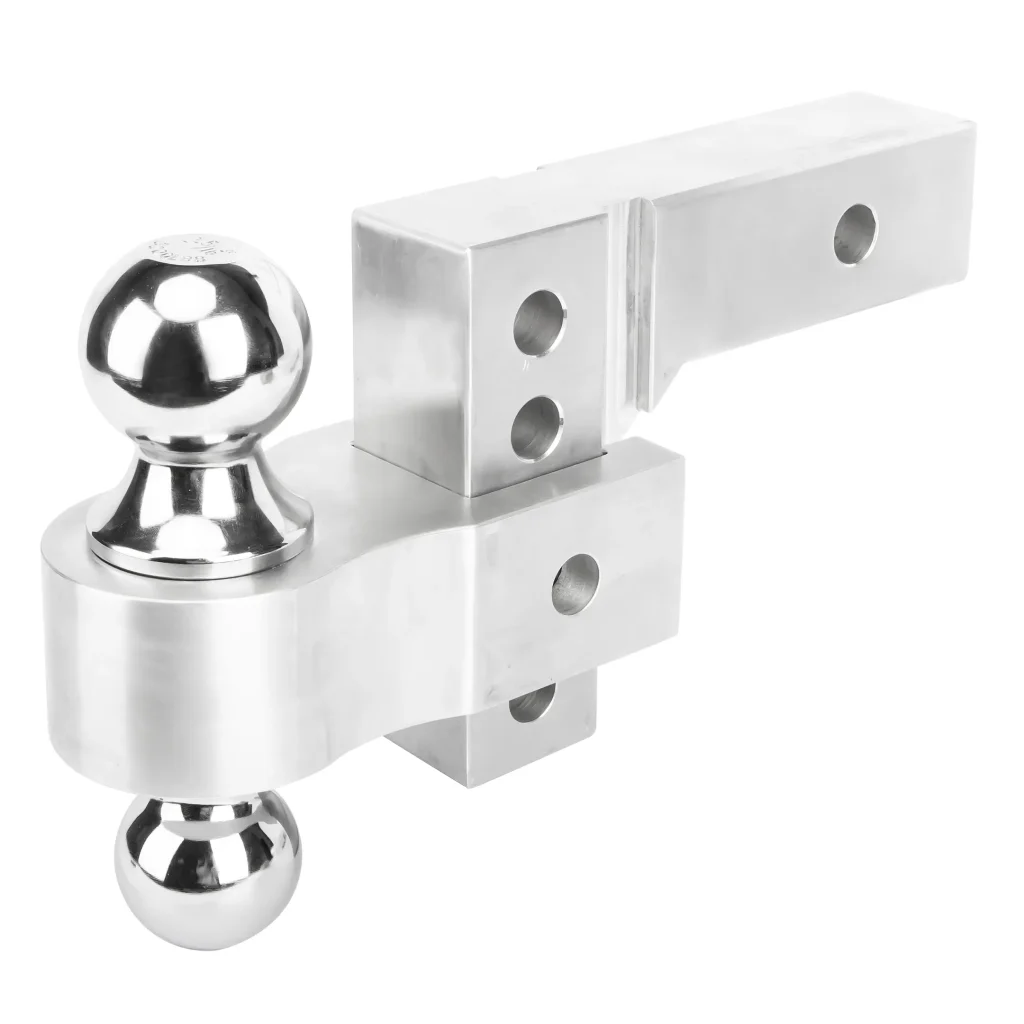
A monthly visual inspection is your first defence against hitch failure. FTrade provides comprehensive inspection and diagnosis services for distributors. Meanwhile, all trailer owners need to complete regular basic self‑checks.
What to Check: Cracks, Wear, and Coupler Latch
Tighten all frame‑mounting bolts, since loose bolts accelerate wear. Check the whole hitch for metal cracks, broken welds, bent steel, severe pitting and deformation. Replace damaged parts right away once you find these defects.
Make sure the coupler jaw fits tightly on the tow ball. Loose jaws indicate wear. The safety latch must lock securely. Never exceed your hitch’s rated weight limit, as overloading causes long‑term damage.
| Inspection Category | Key Check Items | Acceptance Criteria / Defect Indicators |
|---|---|---|
| Fifth Wheel | Latch engagement, jaw wear, plate lubrication, mounting integrity, pivot movement, release handle | Latch must pass pull test; jaw gap ≤ 0.5–1.5mm; full grease coverage; no cracks/loose bolts; free tilt; handle full travel without binding |
| Kingpin | Diameter, surface scoring, base weld, upper coupler plate | Diameter ≥ 49.2mm; no circumferential grooves; no weld cracks; flat plate without deformation |
| Safety Chains & Breakaway | Chain presence, attachment points, routing, link condition, breakaway switch | Attached to load-bearing frame points; crossed under coupler; no stretched/cracked links; functional battery and cable tension |
Inspecting the Hitch Ball and Safety Chains
Check the hitch ball surface for cracks, deep pitting and deformation. Replace it when damage appears. Flat worn spots and scoring also mean the tow ball needs replacement.
Safety chains must be crack‑free, without stretching or distortion. Replace chains if links stretch more than 5% or the diameter wears down by 10%. Swap hooks when the throat opening widens by over 15%. Latches must lock properly. Replace chains after any trailer detachment with shock load.
Carry out this inspection every time you hook up your trailer instead of checking only once per month. Commercial fleets can choose FTrade’s professional inspection service for extra safety.
Trailer Hitch Cleaning & Lubrication
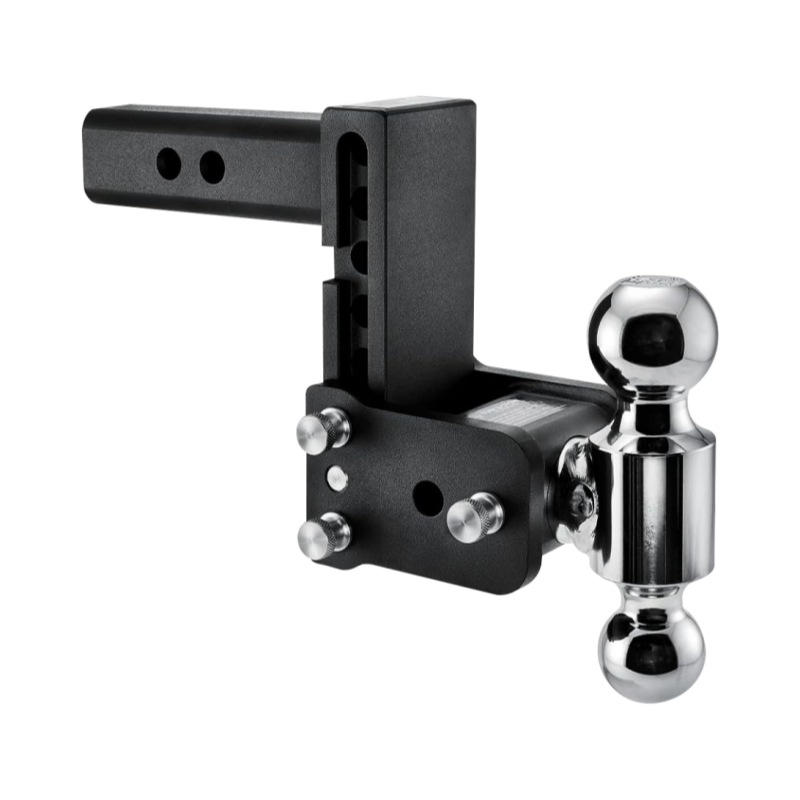
Cleaning and lubrication are fundamental hitch‑care tasks, which slow premature wear and guarantee smooth hitching. FTrade offers practical maintenance tips for hitches, couplers and locks. Cleaning removes road salt and dirt that cause rust, while lubrication cuts friction between moving parts. Poor maintenance usually leads to stiff couplers, squeaking noise and accelerated wear.
How to Clean Your Hitch and Remove Old Grease
Wash your hitch with warm water and mild soap, and avoid harsh chemicals. Scrub stubborn rust with a wire brush. Pay special attention to the receiver tube and coupler jaw. Dry the hitch completely after washing. You can apply rust‑resistant primer and paint for extra protection, then store it in dry places.
| Best Practice | Specific Action | Purpose |
|---|---|---|
| Cleaning | Use warm water and mild soap; avoid harsh chemicals. | Removes dirt, grime, and road salt that cause rust. |
| Rust Prevention | Use a wire brush to remove rust, then apply rust-resistant primer and paint. | Protects against rust, especially in humid or salty areas. |
| Proper Storage | Keep in a clean, dry place away from direct sunlight and extreme heat. | Prevents damage and makes the hitch last longer. |
Dissolve built‑up old grease with degreaser and wipe thoroughly. A clean metal surface helps new grease stick well and reveals hidden wear under old grease.
Lubrication Tips for Smooth Operation and Longevity
Lubrication cuts down friction between the hitch ball and the coupler. Friction causes wear and metal fatigue over time. The right grease stops these problems. Use a high-quality, water-resistant grease made for trailer hitches. Several options work well:
- A high-temperature lithium-based grease
- A special hitch ball lubricant such as 3-IN-ONE® Trailer Hitch Gel Lube
These products stay in place under heavy loads and wet conditions. Do not use petroleum products not rated for trailers. They break down fast and give poor protection. Put lubricant evenly on the ball surface. Spread it around the whole ball. The inside of the coupler also needs a thin coat.
Ideally, grease your hitch ball every 4 to 6 weeks, or after any long trip. If you hear squeaking or metal rubbing sounds, add more grease sooner. Always clean off old grease before adding new.
FTrade manufacture says to apply lubricant every 1,000 miles, before long trips, or after washing the vehicle. This schedule keeps the protection steady. A well-lubed hitch puts less strain on the towing vehicle. Choosing the right grease and applying it at the right times directly affects how long the hitch parts last. FTrade wholesale and custom options include high-quality grease for both commercial and personal use. Proper lubrication stops metal-on-metal contact and makes both the hitch ball and the coupler last longer.
Trailer Hitch Rust Prevention & Storage
Rust weakens hitch structure and creates safety risks. FTrade’s after‑sales team helps distributors solve wear‑and‑corrosion problems at an early stage.
Protecting Your Hitch from Moisture and Corrosion
Remove the ball mount from your receiver tube after each use. Vibration friction will wear off protective coatings and trigger hidden rust inside the receiver if you leave it installed.
Powder‑coating forms a tough anti‑rust barrier and normally lasts 5‑8 years. For DIY maintenance, you can use rust‑proof paint such as Rust‑Oleum or POR‑15. Spray‑on rust inhibitors are suitable for seasonal protection.
Wash and fully dry your hitch after every tow, especially in winter road‑salt seasons. Spray WD‑40 or silicone spray to build a water‑repellent shield. Use spray‑on rust inhibitors rather than paint inside receiver tubes.
Best Practices for Storing Your Hitch and Accessories
Store your hitch indoors in dry conditions, inside an accessory bag. Never place it directly on wet ground. If the hitch stays mounted on your vehicle, use a hard plastic or metal weather‑resistant cover. Fabric covers are not recommended, as they trap moisture and speed up rust.
Clean and fully dry your hitch before long‑term storage. Inspect and replace worn parts. Coat the tow ball with anti‑rust grease and fit a plastic cap when idle. Sand minor rust spots then repaint, or use rust converter before painting.
FTrade supplies heavy‑duty protective covers and rust inhibitors for commercial fleets. Good cleaning and storage greatly extend your hitch’s service life.
Trailer Hitch Safety Checks & Replacement
Pre‑trip safety inspections prevent towing accidents. FTrade suggests an annual Remove‑and‑Replace (R&R) full disassembly inspection to find hidden damage.
Torque Checks and Fastener Maintenance
Loose fasteners are the leading cause of hitch failure. Tighten all bolts, nuts and pins to manufacturer‑specified torque values. A clunking noise from the receiver usually comes from excessive play. Fit an anti‑rattle device for your 2‑inch or 2.5‑inch receiver, then re‑torque all hardware. Stop towing and replace your hitch immediately if you find cracks or bent steel. Never exceed the hitch weight rating.
Electrical Connections and Safety Chain Integrity
Corroded connectors cause poor electrical contact. Clean corroded areas with fine sandpaper or contact cleaner, then apply dielectric grease. Sand and retighten ground‑wire terminals to fix intermittent lighting failures. Locate broken‑wire points via continuity test, solder the connection and seal it with heat‑shrink tubing. Check wiring amperage rating and use LED lights to reduce circuit overload risk. Replace blown fuses in time.
| Issue | Description | Solution |
|---|---|---|
| Corrosion | Poor electrical contact from element exposure | Clean with sandpaper or contact cleaner; apply dielectric grease |
| Faulty Ground | Loose or corroded ground wire causes intermittent failures | Sand wire terminal and chassis contact; re-tighten securely |
| Broken Wires | Wear or vibration causes non-functional lights | Continuity test; solder new connection; insulate with heat-shrink tubing |
| Overloaded Circuits | Excess current causes overheating or melting | Verify amperage rating; switch to LED lights to reduce draw |
Secure safety chains at both ends and cross them under the trailer tongue, which catches the tongue during unexpected detachment. Leave proper slack so chains will not drag on the road.
Confirm the coupler locks fully onto the tow ball before departure. Match ball and coupler size. Test trailer brake functions. Place 60% of cargo weight on the trailer front section. Tongue weight should account for 10‑15% of total trailer weight.
FTrade provides matched replacement parts, custom towing solutions and wholesale components for commercial fleets.
Replace your hitch when you notice cracks, deep rust, bent parts, heavy trailer sway or difficult coupler connection.
Warning: If your hitch or coupler is loose, rattles or shows visible wear on the ball socket, stop towing and replace the hitch before your next trip.
Regular inspection, cleaning, lubrication, rust prevention and pre‑trip safety checks form your complete hitch maintenance routine. Self‑checks plus FTrade’s professional maintenance help you find hidden faults. A well‑maintained hitch delivers stable, safe towing on every journey.
FAQ
How Often Should a Trailer Hitch Be Inspected?
Run a quick visual check before every trip, and carry out a deeper monthly inspection for hidden wear. FTrade recommends one professional diagnostic inspection per year.
What Type of Grease Works Best for Hitch Maintenance?
High‑temperature lithium‑based grease suits most hitches, while synthetic hitch grease offers better water resistance. Avoid uncertified petroleum lubricants. Re‑apply grease every 1,000 miles or before long trips.
When Should a Hitch Be Replaced Instead of Repaired?
Replace your hitch when metal cracks, strength‑reducing deep rust, bent components or heavily‑worn coupler jaws appear. FTrade helps distributors source matched replacement parts.
How Does Professional Service Improve Towing Safety?
Professional inspections discover defects missed in routine self‑checks. FTrade inspects component wear, connection status and structural condition, extending equipment service life and improving towing safety.