Drivers rely on dependable trailer light adapters to bridge the tow vehicle socket and trailer plug, enabling proper light circuit communication. When sourcing a suitable adapter, start by checking both connection ends. Count the pins or flat blades on your vehicle connector, then examine the housing shape. Round sockets and flat plugs require separate adapter designs. Verify pin quantity and internal layout. Standard trailer light adapters easily reconcile mismatched connector styles. Getting this match correct resolves most wiring headaches quickly. A proper connection keeps running lights functional and supports safe towing operations.
Key Takeaways
- Count the connector pins first. Match vehicle sockets to trailer plugs for an easy setup.
- Pick standard 4-way adapters for basic lights. Choose 7-way adapters for electric brakes and heavy trailers.
- Use weatherproof adapters with brass pins. Good seals stop water rust and protect trailer lights.
- Lock your adapter firmly in place. Always test signal lights with a helper before driving.
Types of Trailer Light Connectors
Towing setups utilise a range of trailer light connectors to transfer electrical power safely. Operators select plug styles based on trailer size and brake configuration.
| Connector Type | Primary Application |
|---|---|
| 4-Way Flat | Basic light trailers needing tail, stop, turn, and ground. |
| 5-Way Flat/Round | Basic lights plus reverse signals or brake lockout features. |
| 6-Way Round/Square | Small campers needing a 12V line for charging. |
| 7-Way (Blade/RV Style) | Heavy trailers, big campers, and multi-axle setups. |
Standard 4-Way Flat Pins
Simple utility trailers commonly use basic 4-way flat plugs to handle essential lighting without extra wiring. Standard colour-coded wiring simplifies installation.
- White wire – Ground
- Brown wire – Running lights
- Yellow wire – Left turn signal
- Green wire – Right turn signal
5-Way Flat and Round Connectors
Boat trailers often run 5-way flat plugs engineered for surge brake systems. This layout adds a fifth conductor to carry reverse electrical signals.
The extra wire connects to backup lights and powers the brake solenoid. Shifting into reverse activates the solenoid, disengaging brakes so wheels roll freely backward.
6-Way and 7-Way Trailer Sockets
Heavy loads demand robust trailer light wiring capable of higher power draw. Operators use large round sockets when towing sizable travel trailers.
A 6-way plug supports electric brakes alongside auxiliary power. The 7-way RV blade variant adds reverse light circuits. Pin 2 with blue wire delivers smooth power to electric brakes. Pin 7 supplies charging voltage to trailer batteries during transit.
Selecting the Right Trailer Light Adapter
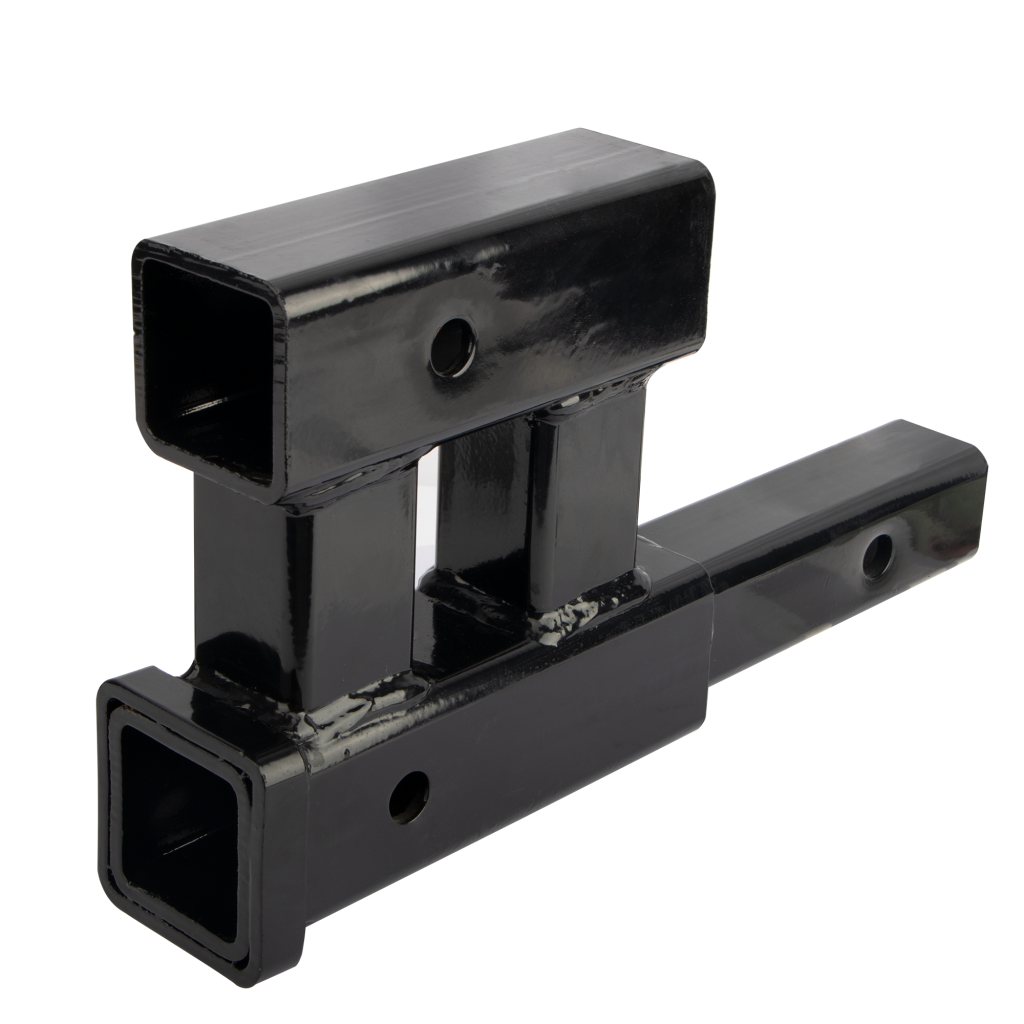
Choosing the correct adapter ensures stable light signal transmission and compatibility between different plug formats. Mismatched connectors are a frequent issue, and a well-selected adapter solves this problem efficiently.
Converting 7-Way Vehicle to 4-Way Trailer Plugs
Trucks use 7-way round plugs. Small trailers use 4-way flat ones. Changing these is very common. Large trucks hold 7-pole sockets. Utility rigs need four flat pins. A simple adapter links them. You need no extra tools.
Test your setups before buying. Match truck sockets to trailer plugs. Follow this simple testing guide:
- Hold the socket door open. Put the test light on ground. Turn the key to ON. Test every pin one by one. Check lights with a helper.
- Put an LED tester inside. Test all the light features. Step on the brake pedal. Shift into reverse gear now. Watch the small LED lights.
- Hook a battery to ground. Touch the positive wire to pins. Watch which trailer lights work. Pins look flipped on plugs.
- Keep all pins clean daily.
Managing Multi-Step Adapter Setups
Complex setups need extra work. This happens with 4-way truck outlets. You must power 7-pole plugs. Upgrading basic plugs needs extra wires. Passive plugs cannot run big features.
Upgrade a small truck plug easily. Follow these simple steps now:
- Plug a 4-to-7 adapter in. Convert basic signals very fast. Skip manual wire work completely.
- Run two fused power wires. Connect them to the battery. One wire powers brake units. The second wire sends 12V. Connect it to black lines.
- Tap the truck brake switch. Send signals to brake units.
- Run a strong blue wire. Connect it to blue lines.
Fleet managers buy wholesale parts. They trust big brands like FTrade. FTrade makes great trailer tools. They sell custom light adapters. They make strong hitch extension items. These tools handle heavy towing easily.
Maintaining Electric Brake Connections
Safe towing needs solid wires. Drivers must protect brake lines. Electric brakes need good contact. Cheap plugs break connections fast. Good adapters keep blue wires active. Power moves to trailer brakes.
Rust ruins inner metal pins. Dirt stops electric power flow. Choose strong plugs with brass pins. Good adapters protect your brakes. They work on long trips.
Key Build Features for Trailer Adapters
Weatherproofing and Corrosion Resistance
Towing hardware constantly endures rough outdoor conditions. Rain, mud and road slush quickly degrade unprotected plugs. Invest in a well-built trailer light adapter. Robust plastic housing safeguards delicate internal wiring and keeps moisture out of electrical circuits. Exposed connections exposed to water are prone to short circuits, making weathertight sealing a vital safety feature. Heavy-duty casings shield internal components from extreme heat as well as freezing temperatures.
Specialised solutions protect metal contact surfaces:
- Dielectric Grease: Forms a full barrier against moisture and oxygen to inhibit corrosion and prolong connector service life.
- Tin-Plated Copper Terminals: A protective coating covers copper conductors, delivering reliable rust resistance in corrosive saltwater environments.
Secure Latching and PIN Layout Fit
A snug fit prevents intermittent electrical connections. Inspect the spring-loaded socket cover regularly. Built-in latches firmly hold the adapter in place and prevent unexpected disconnection while towing. Solid pins sustain steady power supply, ensuring consistent operation for marker lights, turn signals and stop lights.
Established safety standards deliver consistent manufacturing quality. Leading brands such as FTrade comply with SAE J684 specifications and maintain ISO 9001 certification.These standards guarantee accurate pin positioning. Thoughtful mechanical design avoids bent pins during installation. High-quality construction eliminates flickering trailer lights and supports safe towing on public roads.
Operators should inspect all hardware before departure. Secure connections help avoid breakdowns during long-distance travel.
- Examine plug contacts to confirm pins remain clean and free of rust.
- Insert the trailer light adapter fully into the socket until you hear a clear latch click confirming engagement.
- Check the trailer wiring harness for frayed insulation or exposed copper conductors.
- Carry out a full function test with an assistant. Start the tow vehicle and switch on the headlights. Your helper first verifies running lights, followed by turn signals. Press the brake pedal and confirm stop lights activate properly. This procedure helps operators achieve full road safety.
FAQ
Can a driver use a trailer light adapter for electric brakes?
Yes. Adapters link brake lines easily. A 7-way adapter sends power directly. It powers brakes on heavy trailers. Drivers keep control during fast stops. Check pin layouts often. This ensures proper signal transfer.
Do different connector types work on any tow vehicle?
Different plug types need special converters. Adapters change big sockets fast. They turn them into flat options. One truck can pull different trailers. Pick adapters based on socket shapes.
Why are the trailer lights flickering during transit?
Loose pins cause flickering lights. Dirty contacts cause problems too. Rust blocks electric power inside sockets. Clean metal terminals to fix this. Choose weatherproof gear with locks. This prevents lost light signals.
How does a driver store a trailer adapter safely?
Store extra adapters inside glove boxes. Keep them in dry places. Moisture ruins exposed brass contacts over time. Use rubber caps on connectors. Caps block dirt during off-seasons. Clean storage helps gear last longer.
Can a simple adapter convert a 4-way vehicle setup to run a boat trailer?
Yes. Basic adapters link 4-way outlets directly. They plug into boat trailers fast. This powers standard lights easily. You need no extra wire work. Drivers connect gear before driving away.