A standalone drop hitch generally runs from $30 to well over $450. Most vehicle owners spend between $100 and $150 for the unit itself. A fully‑configured towing setup, including all required hardware and professional labor, can cost anywhere from $250 to $1,300 and up.
| Component / Setup | Estimated Cost Range |
|---|---|
| Receiver Hitch (Includes basic installation) | $300 – $650 |
| Professional Labor Fees | $100 – $180 |
| Overall Complete System Range | $300 – $2,000+ |
Trailer hitch pricing varies based on your vehicle’s frame design. Receiver class and overall weight capacity are two major price drivers. It is critical to match the correct drop height for your trailer, as this keeps your towing setup level and ensures safe highway operation.
Key Takeaways
- Drop hitches retail from $30 to $450.
- Pricing fluctuates according to hitch style.
- Adjustable drop hitches deliver better long‑term value.
- One single unit works with multiple trailer heights.
- Higher weight capacity ratings push up retail prices.
- Rust‑resistant surface finishes add to total cost.
- Professional installation improves safety yet adds service charges.
- Security locking hardware reduces theft risk during towing.
Drop Hitch Cost Breakdown by Type
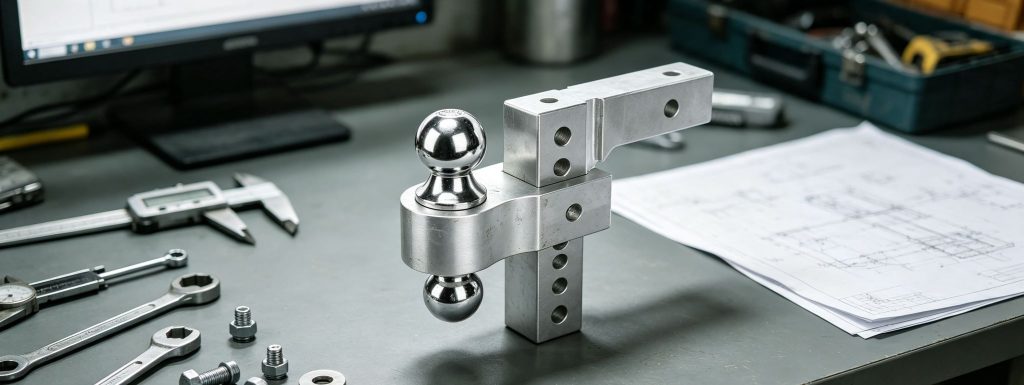
Selecting towing equipment calls for proper research. Manufacturers produce a wide range of hitch designs to fit different truck heights and load requirements. Buyers can choose among three primary categories.
Fixed Drop Hitches
Fixed ball mounts sit at a lower price point and feature a straightforward build. These one‑piece assemblies are constructed from solid steel with no moving height‑adjustment components. A fixed drop hitch performs reliably but only works for one specific truck‑to‑trailer height offset. Robust welds create a rigid, durable main frame.
Basic fixed units sell for $30 to $80. These budget‑friendly options hold up well over time since they contain no sliding parts, and no extra tools are needed for regular use. If you need a different height setting, you will have to purchase another hitch. They are popular among small‑business operators hauling light‑duty equipment and jet skis.
Adjustable Drop Hitches
Adjustable drop hitches let users reposition height quickly by sliding the ball mount along a notched channel. This single assembly accommodates trailers with varied coupler heights.
Mid‑tier adjustable models are priced $100 to $300. Many mainstream brands offer 6‑inch to 10‑inch drop versions, priced from $199.90 to $284.90. The Rhino USA model averages $225.74; it features a 2.5‑inch receiver shank. This unit was previously sold at $169.90, with its peak selling price hitting $239.90.
Weight‑sensing drop hitches fall in the $319.00‑$439.00 price bracket. Built‑in gauges display real‑time tongue weight, so operators can verify load balance before hitting the road and protect cargo during highway travel.
| Product Model | Features | Towing Capacity | Price |
|---|---|---|---|
| Weigh Safe 10″ Drop Hitch (2.5″ Receiver) | Integrated Tongue Weight Gauge | 18,500 LBS | $374.00 |
Commercial Heavy-Duty Hitches
Work‑focused trucks demand maximum‑strength towing hardware. Heavy‑duty drop hitches cost $200 to $500 or higher. Manufacturers build these units using thick steel or solid aluminum billets.
These heavy‑duty components handle large‑size trailers and see frequent use by construction crews and farm operators. Solid shank construction resists bending under heavy stress. Special surface treatments defend against rain‑triggered corrosion. Businesses invest in these robust hitches for worksite safety, as they stand up to extended daily use.
Factors Affecting Drop Hitch Cost
Weight Capacity and Receiver Size
Towing heavy loads requires heavy‑gauge metal components. Gross weight ratings define safe operating limits for road use. Higher tongue weight thresholds call for reinforced steel structures, and thicker material directly translates to higher retail costs.
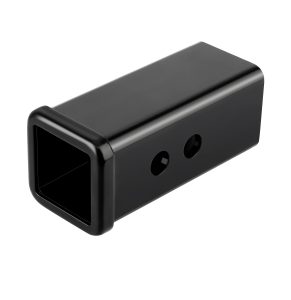
Receiver tube dimension also affects final pricing. Standard trucks commonly use 2‑inch shanks, while heavy‑duty trucks require 2.5‑inch or 3‑inch receiver openings. Larger shanks consume more raw material, so high‑capacity trailer hardware carries a higher price tag.
Material and Anti-Rust Finishes
Material choice governs both strength and cost. CNC‑machined aluminum delivers light weight plus solid weather resistance. Forged steel delivers top‑tier strength for industrial applications. Steel hitches come at a lower base price but require proper rust protection.
Special surface coatings prevent metal corrosion. Factories apply advanced E‑coating or multi‑layer galvanization processes. FTrade hardware undergoes salt‑spray resistant treatment and complies with SAE J684 standards to extend component service life. Premium protective finishes offer tangible long‑term value.
Drop Length and Adjustability Range
Physical dimensions influence overall drop‑hitch pricing. Standard 6‑inch drop mounts use standard material thickness. Extended 10‑inch drop designs demand more steel, raising both material expense and shipping weight.
Adjustable units require extra machining work. Fixed‑position mounts use simple single‑set welds. Adjustable channels need milled slots, drilled holes and dual‑ball setups to support fast on‑the‑fly height changes. Additional manufacturing steps drive up end‑user pricing.
Accessories and Cost to Install Trailer Hitches
Security Locks and Towing Ball Hardware
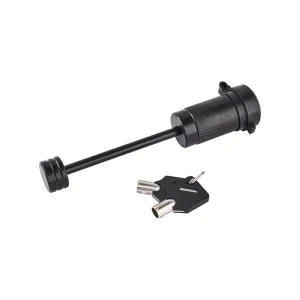
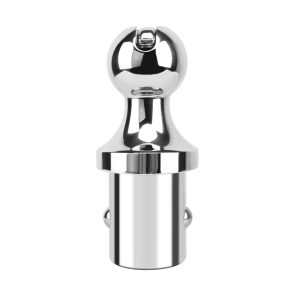
Safe towing depends on quality auxiliary hardware. Trailer balls cost $20‑$50, and heavy‑duty lock pins range $15‑$40. Fleet operators invest in trailer hitch locks, and regular users fit standard hitch locks to stop unauthorized trailer removal. Global towing supplier FTrade provides custom replacement parts for this segment. Operators regularly deploy tow hitch locks, trailer coupler locks and tongue locks to secure parked equipment.
Anti‑rattle kits eliminate road noise and stabilize assemblies for long highway trips. Steel clamps suppress vibration and movement inside the receiver tube.
| Product Name | Regular Price | Sale Price |
|---|---|---|
| Tulga Anti Rattle Hitch Tightener Stabilizer | $19.99 | $14.99 |
| WavesRx Boat Trailer Hitch Tightener & Stabilizer | $29.99 | $23.99 |
Labor and Receiver Installation Fees
Hitch installation costs hinge on your specific vehicle model. Base labor runs $100‑$180, and straightforward installs take one to three hours. Modern vehicles have complex wiring, safety sensors and integrated bumpers. Technicians carefully disassemble sections of the vehicle to avoid damaging delicate electrical circuits. Complicated fit‑ups can take half a workday, and longer job times result in higher shop bills.
Frame modifications push total installation costs upward. Rear‑bumper removal incurs extra labor; frame drilling adds $100‑$300, and bumper trimming also increases service fees. All‑in hitch installation totals range $250‑$1,300+, determined by total working hours. Proper professional fitting supports road safety for everyone.
Take time to select suitable towing hardware. First confirm your truck’s receiver height, work out total load weight, and consider how frequently you tow. Smart buyers balance competitive pricing against reliable safety performance. Heavy‑duty hardware delivers long service life. An adjustable drop hitch brings real practical benefits:
- Practical versatility: fits multiple trailer heights; one hitch works with different trailers.
- Cost efficiency: removes the need to purchase multiple fixed‑drop units and cuts extra hardware spending.
Quality components safeguard your truck and cargo. Durable steel or aluminum construction holds up under real‑world conditions, and well‑built hardware keeps you safe on the highway.
FAQ
How do you correctly measure for a drop hitch?
Park both truck and trailer on level ground. Measure the vertical gap between your truck receiver and the trailer coupler. Accurate measurements keep your trailer level for safer driving.
Are adjustable drop hitches worth the extra spend?
Yes. Adjustable models cost $100‑$300. They allow quick height tweaks and work with multiple trailers, saving you money on extra towing gear.
What safety standards apply to drop hitch hardware?
Qualified hardware meets SAE J684 specifications and passes ISO 9001 certification. E‑coatings defend against salt‑spray corrosion. Properly built hitches pass rigorous testing for multi‑year service.
How do locking accessories improve trailer security?
Heavy‑duty lock pins secure the hitch assembly and make theft far harder. Fleet users rely on trailer locks. High‑strength steel protects equipment left at job sites.
Does receiver size impact overall drop hitch capacity?
Absolutely. Larger receivers handle heavier gross loads. Compact 2‑inch shanks suit light‑duty towing. Heavy loads call for 3‑inch shanks, where increased steel mass delivers superior structural support.