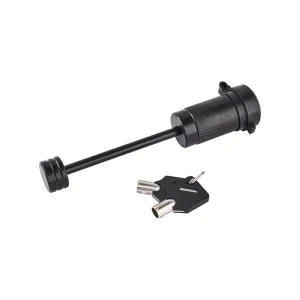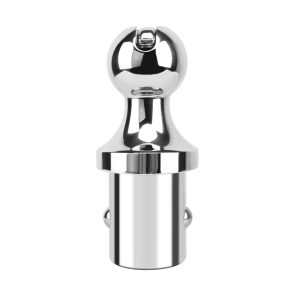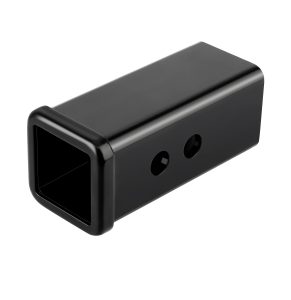
The straightforward answer is yes. Quality hitch locks deliver reliable protection against trailer theft. When left unlocked, trailers face severe risks on public roads. Experienced thieves can hook up and steal a trailer in less than 60 seconds. Installing a heavy-duty coupler lock from FTrade stops this threat. This rugged lock slows any unauthorized towing attempt and serves as an effective theft deterrent. It also creates a clear visual warning. Breaking through the lock makes theft noisy, time-consuming and risky. Proper trailer security safeguards your high-value cargo. Simple locking hardware prevents theft even on your private driveway. Responsible trailer owners invest in anti-theft solutions for greater peace of mind.
Key Takeaways
- Heavy-duty coupler locks block hitch ball engagement and stop quick theft attempts.
- Reinforced receiver pin locks secure the ball mount to your tow vehicle.
- Highly visible wheel locks act as obvious visual warnings and prevent trailer tires from rolling.
- Deploy multiple physical locks together. Thieves will need extra time and create loud noise to bypass them.
- Combine hardened steel locks with hidden GPS trackers for comprehensive security.
How Hitch Locks Prevent Theft
Blocking Unauthorized Coupler Access
Unattended trailers face constant theft risks along roadways. Thieves can easily seize unmonitored equipment. Standard factory latches offer minimal protection.
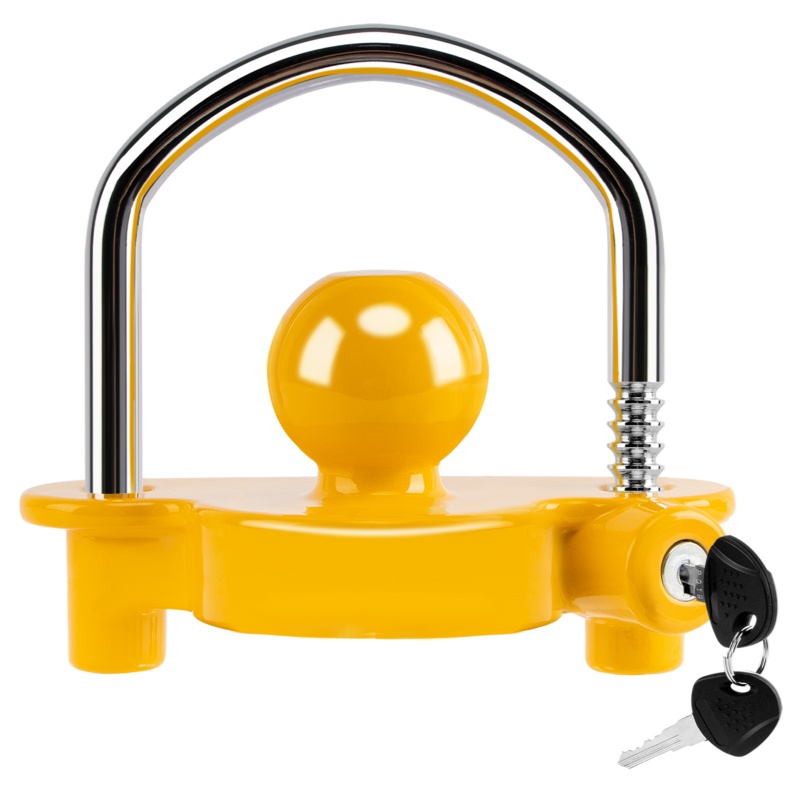
Coupler locks fully prevent unauthorized towing by sealing the inner cavity of the coupler. This physical barrier stops any external hitch ball from engaging the hitch mechanism. A dedicated tongue lock fits inside the coupler socket and blocks all towing attachments. Once secured, this heavy-duty tongue lock stays in place, so criminals cannot mount the coupler onto their own hitch ball.
Tip: Thieves use various quick workarounds to bypass basic hardware. Professional anti-theft gear counters these common tactics:
- Hitch-and-Go Theft: Connecting an unlocked coupler to a hitch ball and towing away without proper securing.
- Hardware Cutting: Using bolt cutters to destroy lightweight locks, thin chains and weak fittings.
- Safety Chain Bypass: Ignoring the locked coupler and looping safety chains onto a receiver for towing.
- Lifting Tactics: Jacking or using dollies to raise the trailer tongue and move the unit even with wheel locks fitted.
- Flatbed Winch Recovery: Winching high-value trailers onto flatbed trucks when direct hooking is blocked by locks.
Securing the Receiver and Ball Mount
Locking only the front coupler addresses just one vulnerability. Thieves also target the main connection assembly. Basic pull pins can be removed in seconds. Criminals detach the ball mount at roadside stops. Once removed, they can tow your trailer using another truck without touching the coupler latch at all.
A heavy-duty trailer hitch lock anchors the receiver tube and holds the ball mount firmly in position. Installing this lock delivers complete safety by securing both tow vehicle and cargo. This robust setup improves overnight trailer security. Heavy-duty locking hardware prevents theft during long-distance trips and protects equipment during brief fuel stops.
| Connection Component | Protection Method | Security Risk Without Lock |
|---|---|---|
| Coupler Cavity | Tongue Insert Lock | Immediate hitch-and-go hookup |
| Receiver Pin Tube | Steel Receiver Lock | Slide-out theft of ball mount |
| Safety Chains | Heavy Chain Locks | Towing by chain loops |
Increasing Time and Friction for Thieves
Time is the biggest obstacle to theft. Most thieves seek fast, quiet opportunities. Additional barriers force them to operate power tools. Angle grinders and cutters generate loud noise in parking lots, which draws attention from nearby homes and bystanders.
Brightly finished wheel locks act as visible deterrents. They signal strong security to potential thieves from a distance. Seeing these clear security measures, many thieves will abandon their attempts before starting work.
Purpose-built hitch locks effectively delay intruders. Physical barriers protect trailers during extended stops. Smart operators prioritize heavy-duty hardware. Quality locks turn easy targets into high-risk challenges, and physical security delivers genuine peace of mind.
Key Lock Types for Theft Prevention
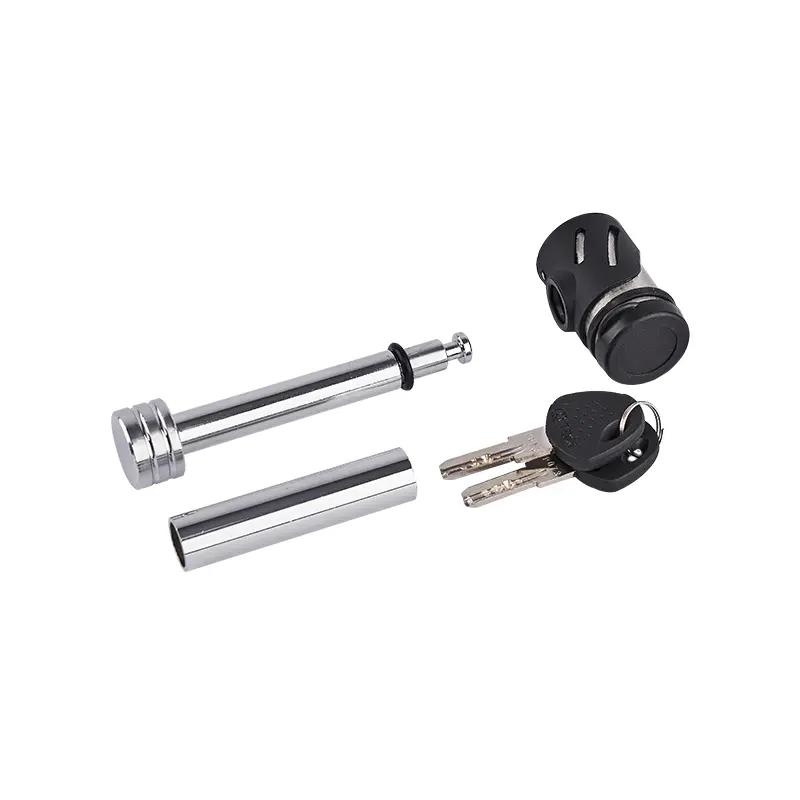
Trailer owners need durable hardware to protect cargo. Different trailer locks deliver targeted protection for specific weak points. Understanding these physical security options helps buyers build a solid protection system.
💡 Quick Fact: Theft records show criminals target parked trailers overnight. Trailers without locks can be quietly uncoupled and stolen within two minutes.
Coupler Paddle and Latch Locks
A coupler paddle lock covers the front trailer tongue and fully encloses the hollow coupler cavity. Its thick metal shell blocks foreign hitch balls from entering the coupler socket.
| Condition | Mechanism | Outcome |
|---|---|---|
| Unlocked Coupler | Easy Tow Ball Drop | Rapid Theft |
| Tongue Lock Installed | Cavity Fully Blocked | Towing Impossible |
Thieves hunt for easy targets in dim parking areas and avoid trailers fitted with sturdy tongue locks. Removing these locks requires loud sawing or grinding tools. A reliable tongue lock effectively prevents opportunistic quick theft.
Operators trust heavy-duty tongue locks for long-term parking. The tough outer casing resists hammer strikes and bolt cutters, providing reliable anti-theft protection for stationary cargo.
Heavy-Duty Receiver Pin Locks
Receiver pin locks secure ball mounts inside the receiver tube. Standard unkeyed pull pins slide out effortlessly. Thieves remove these pins, steal the ball mount and install their own hardware.
A robust trailer hitch lock eliminates this major risk. Hardened steel pins run through the receiver tube, with dual-locking end caps to clamp the pin securely.
The table below contrasts standard pins with heavy-duty locked assemblies:
| Hardware Component | Standard Pull Pin | Locked Receiver Pin |
|---|---|---|
| Removal Time | 3 Seconds | 15+ Minutes (Power Tools Required) |
| Tool Resistance | None (Removable by Hand) | High (Hardened Steel Core) |
| Security Level | No Protection | High-Level Defense |
Using a key-operated trailer hitch lock keeps ball mounts attached. Criminals cannot steal the ball mount at rest stops. This simple upgrade strengthens security for heavy-load trailers.
Coupler Pin and Latch Locks
The small lever-style coupler latch holds the hitch ball in position. Unlocked latches can bounce open on rough roads, and thieves can flip loose latches manually to access the coupler.
A compact lever lock slides through the designated hole. It prevents accidental release over bumpy terrain and stops unauthorized people from lifting the latch handle.
Comprehensive anti-theft protection covers every weak spot. Latch locks work alongside other barriers to prevent theft.
Trailer owners should secure three key areas:
- Internal coupler socket
- External latch handle
- Tow vehicle receiver tube
Smart buyers select steel hardware to guard trailers while traveling. Investing in quality locks delivers peace of mind for work equipment and stops theft attempts before thieves get close.
Boost Trailer Security with Layered Locking Tactics
Savvy owners deploy multiple security devices. A single lock only slows thieves down. Well-designed layered trailer security can stop them entirely.
Combine Hitch Locks and Wheel Locks
Coupler locks block unauthorized hooking, yet thieves may still drag trailers short distances. Pairing a hitch lock with a heavy wheel lock creates multi-layered defense.
- Defeating two separate locks requires far more time
- Operating multiple power tools creates significant noise
Note: Standard X-chocks only improve stability and cannot stop determined thieves.
A heavy-duty tongue lock fully seals the coupler cavity and stays mounted through long storage periods. Highly visible wheel locks stop tires from rolling. FTrade manufactures heavy-duty accessories built to withstand harsh outdoor conditions. FTrade exports premium towing hardware to improve trailer security, and these rugged products deliver consistent anti-theft performance day after day.
Add Protection for Safety Chains
During quick theft attempts, thieves often ignore the main coupler and tow trailers using unsecured safety chains. Owners must lock loose chains to eliminate this bypass method.
Combine physical locks with modern smart technology. Integrated security systems pair mechanical hardware with electronic devices. Physical locks delay intruders first, while hidden GPS trackers fill remaining security gaps. Modern GPS units transmit real-time location data instantly. Users receive immediate tamper alerts and geofence notifications. Many proactive owners also install loud trailer alarms to scare off trespassers.
Practical Tactics for Trailer Theft Prevention
High-quality hardware performs better with thoughtful parking choices. Strategic positioning quickly discourages thieves.
- Barrier-Backed Parking: Position the trailer tongue tight against walls
- Restricted Rear Access: Block physical access to hitch components
- High-Visibility Lighting: Park in well-lit zones
- Camera Coverage: Choose areas monitored by security cameras
- Active Traffic Alignment: Park near busy retail locations
- High Foot Traffic: Use populated areas to deter intruders
- Sightline Optimization: Avoid dark, secluded corners
- Open Vantage Points: Maintain clear sightlines all around
Trailer theft prevention relies on both hardware and live tracking. Active GPS tracking sends coordinates to mobile phones instantly and generates continuous location logs. Law enforcement uses GPS mapping data to recover stolen equipment. Proper setup gives trailer owners complete peace of mind.
Hitch locks act as critical anti-theft barriers. Unsecured trailers attract opportunistic thieves. Reliable hardware blocks quick hooking attempts and protects valuable cargo.
Matching premium FTrade locks delivers full security for all types of loads.
Tough locks make theft extremely difficult. Experienced operators use ball mount receiver locks and coupler locks together for maximum protection. Parked trailers need immediate defense. Locked trailers remain safer even in dim parking lots. Owners must secure all vulnerable points before leaving trailers unattended. Investing in quality locks protects your equipment for years to come.
FAQ
Can thieves bypass a trailer coupler lock?
Heavy-duty steel trailer locks prevent fast theft attempts. Cutting hardened steel requires noisy power tools, which discourages most opportunistic thieves. Solid steel anti-theft hardware reinforces weak connection points and delivers dependable protection for cargo.
How does GPS tracking improve trailer security?
GPS trackers send instant mobile alerts and monitor movement over long distances. Pairing GPS units with trailer hitch locks creates multi-stage protection. Live location data supports police recovery of stolen equipment.
Do safety chains need separate locking protection?
💡 Key Tip: Thieves frequently tow unlocked trailers using loose safety chains.
Locking unsecured safety chains stops this bypass tactic. This simple measure brings genuine peace of mind.
What is the most effective combination of trailer locks?
| Protection Tool | Primary Benefit |
|---|---|
| Trailer Coupler Lock | Blocks access to the ball socket |
| Wheel Lock Clamp | Prevents tire rotation |
For optimal protection, use three locks together: coupler lock, receiver lock and wheel lock. FTrade manufactures premium hardware designed for anti-theft purposes. Their rugged accessories continuously strengthen trailer security.