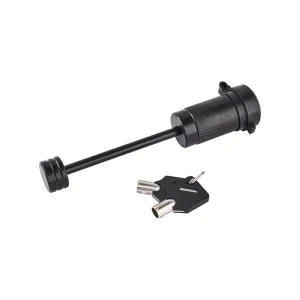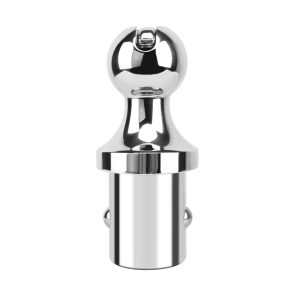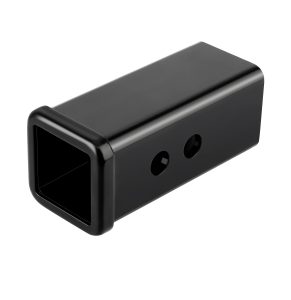
Trailer coupler locks deliver great value for a modest investment. Thieves commonly steal trailers and onboard equipment by simply hooking up and towing them away. Fortunately, entry-level coupler locks carry a low price tag. The massive gap between lock cost and potential asset loss makes this an easy purchase to justify. These locks physically prevent thieves from connecting a tow ball. Their highly visible design also acts as an immediate visual deterrent. Built from heavy-gauge steel, they resist brute-force attacks from hand tools. Reliable locking hardware safeguards trailers parked at job sites. This compact accessory serves as your primary line of defence against trailer theft.
Key Takeaways
- Trailer coupler locks provide low-cost protection against financially devastating theft.
- Visible steel locking hardware discourages opportunistic thieves on sight.
- Custom-fit locks block access to the ball pocket and eliminate rapid tow-away theft.
- Pair coupler locks with wheel boots to achieve maximum security.
Cost vs. Value: Are Trailer Coupler Locks Worth It?
Trailer owners need to balance hardware expenses against real-world theft risks. Protective locks require minimal upfront spending, yet stolen assets lead to severe financial losses. When evaluating total long-term costs, the practical benefits of these locks become clear. Before leaving a trailer unattended in public areas, weigh the small purchase cost against the expense of full asset replacement.
Upfront Lock Costs vs. Trailer Replacement Expenses
Basic coupler locks are affordable, especially when compared to the overall value of a trailer. Recovering from a theft can run into thousands of dollars to replace equipment.
Losses extend far beyond the trailer frame itself. Thieves frequently remove onboard tools, cargo and recreational gear. Theft also triggers work stoppages and disrupts scheduled operations. These downtimes translate directly into lost income. A coupler lock prevents quick, unobserved hitching attempts, stopping fast tow-away theft during long-term storage.
| Cost Factor | Without Protective Hardware | With Protective Hardware |
|---|---|---|
| Initial Outlay | Zero cash spent upfront | Small purchase price for lock |
| Asset Risk | High risk of permanent loss | High resistance against towing |
| Operational Downtime | Extensive work delays and project losses | Uninterrupted daily work schedule |
This comparison highlights the significant financial difference. Investing in an inexpensive lock avoids substantial expenses down the line.
Investing in Peace of Mind and Insurance Protection
Total ownership costs also include insurance considerations. Filing theft claims often means high deductibles. Insurers regularly raise premiums following major claims, and repeated incidents may result in policy cancellation. Using anti-theft locks helps maintain lower insurance rates over time.
Insurance settlements only cover depreciated cash value, and claim processing takes considerable time. Filing police reports and waiting for compensation creates unnecessary stress. Securing your coupler with a hitch lock removes easy access for thieves across all locations.
Effective security hardware brings genuine peace of mind. Fleet operators can leave equipment outdoors without constant worry. Private owners store trailers free from persistent anxiety and focus on core work tasks. Investing in heavy-duty coupler locks protects your bottom line.
How Coupler Locks Enhance Trailer Security
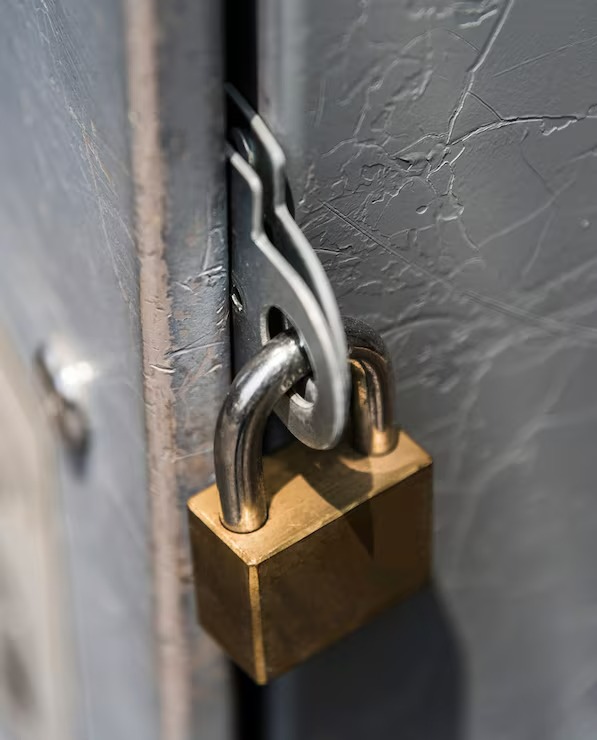
Stopping Quick Tow-Away Theft Attempts
Unsecured couplers enable fast theft. Experienced thieves can complete hitching in under 60 seconds. Unlocked couplers make tow-away theft extremely straightforward. A robust coupler lock puts an immediate stop to this tactic. Solid steel covers seal off the ball pocket, leaving no space to insert a tow ball.
Without protection, thieves can drive off with your trailer within minutes. Coupler locks remove this major vulnerability. Trusted manufacturers such as FTrade produce durable couplers equipped with rapid quick-lock latches. These A-frame style couplers work with most aftermarket hitch locks. Matching quality couplers with dedicated locks delivers comprehensive asset protection.
The Visual Deterrent Effect on Opportunistic Thieves
Thieves actively seek out targets without obvious anti-theft devices. At construction yards and job sites, coupler locks serve as a clear warning. Prominent metal security hardware discourages casual thieves immediately.
- Under One Minute: Thieves can finish hitching within 60 seconds
- Mere Seconds: Unlocked couplers enable effortless tow-away theft
Criminals tend to avoid trailers fitted with heavy-duty locks. Breaking through hardened security requires time and specialised tools. Visible security measures prevent theft before it begins.
Heavy steel construction withstands harsh weather and impact damage. Manufacturers treat thick steel substrates with zinc plating, powder coating and black E-coating. These durable finishes resist rust and surface abrasion. Choosing a reputable hitch lock elevates security and delivers consistent protection for all trailer types.
Types of Trailer Locks and Their Effectiveness
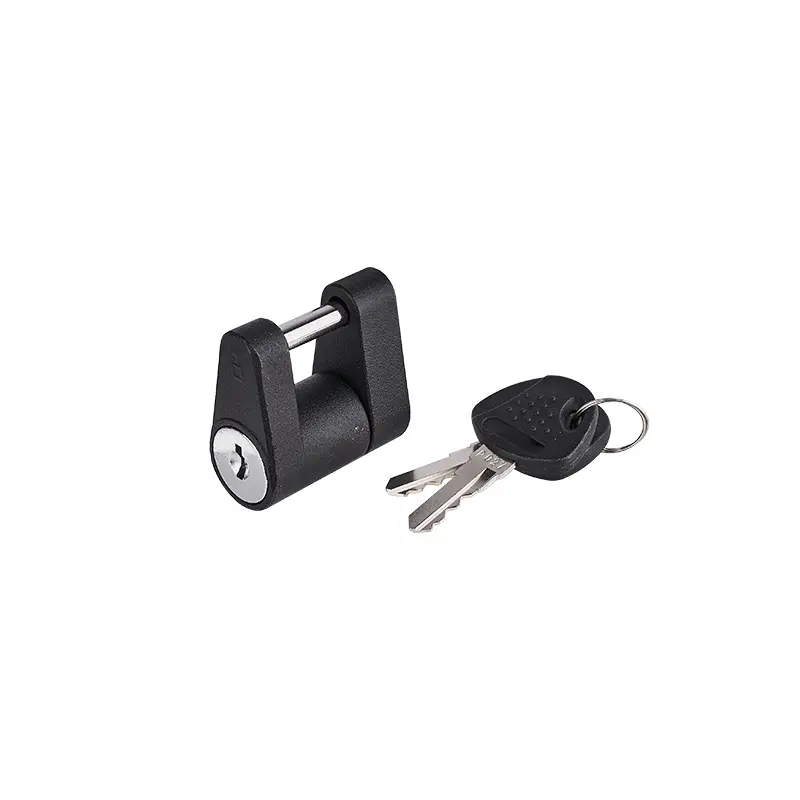
Standard Latch Pin Locks
A range of lock designs are available for trailer owners:
- Latch Pin Locks: Secure coupler handles and block unauthorised tampering
- Tongue Latch Locks: Hold trailer tongues locked; latches cannot be opened without the correct key
- Wheel Locks: Immobilise trailer wheels and halt rolling movement
- Coupler Locks: Secure coupling assemblies and prevent unapproved decoupling
Standard pin locks mount directly onto coupler handles. This entry-level hitch lock prevents casual tampering and keeps the coupler secured during transit. Operators can install lightweight pin locks quickly prior to travel.
Universal vs. Custom-Fit Coupler Lock Designs
Universal models accommodate multiple tow ball sizes via adjustable sliding bars. However, loose tolerances create gaps thieves can exploit. Custom-fit locks contour precisely to the coupler housing. They fully enclose the ball pocket and eliminate openings for prying tools.
A properly sized coupler lock achieves a tight fit. Thick steel walls resist crowbars and heavy striking tools. Correct sizing eliminates wobble and prevents thieves from shaking the lock free, significantly boosting overnight storage safety.
Heavy-Duty Puck and Vault Locks
Puck locks fully cover the ball socket. Thick steel casing encapsulates the coupler and blocks all access points. Thieves cannot physically insert a tow ball at all.
Vault-style coupler locks suit remote storage locations. This design withstands repeated blows from sledgehammers and delivers long-term cargo protection.
Limitations of a Coupler Lock and Layered Protection
Real-World Resistance Against Power Tools
No single lock offers absolute protection. Determined thieves carry grinders and cutters, targeting unattended trailers in isolated, dim areas. Power tools can eventually cut through metal given enough time. Understanding these limits helps owners set realistic security expectations.
Physical locks buy critical time during an attempted break-in. Power tools generate loud noise and visible sparks, drawing attention from nearby people. A quality hitch lock slows thieves considerably and effectively stops rapid tow-away attempts.
Combining Locks with Layered Defense Strategies
Maximum security relies on combining multiple barriers. A single lock leaves exploitable weak points, forcing thieves to deploy extra tools. A layered protection strategy follows these principles:
- Hitch Blocking: A heavy coupler lock prevents ball connection
- Mobility Restriction: A robust wheel boot stops wheel rotation
- Combined Effect: Deploying both devices drastically raises theft difficulty
You can add a secondary hitch lock for extra reinforcement, or install concealed GPS trackers inside the trailer. Hidden trackers greatly improve recovery odds for stolen trailers. This multi-layer setup delivers reliable long-term asset protection.
Coupler locks offer excellent return on investment. Heavy-duty variants block fast tow-away theft, though no lock can indefinitely resist industrial cutting tools. Stacking multiple security barriers stops most thieves and provides lasting peace of mind.
Trailer security depends on selecting compatible locking hardware. Always verify tow ball dimensions during selection. Premium locks leave zero gaps for pry bars. Regular lubrication ensures smooth operation of lock pins. Tough steel security hardware safeguards your trailer frame.
FAQ
Can a coupler lock prevent all trailer theft?
No lock stops every single thief. Determined people use big power tools. But coupler locks block fast towing. The heavy lock creates a physical barrier. So, bad thieves look for easier targets.
How do owners choose the right size hitch lock?
First, owners measure the ball pocket. They check the latch thickness, too. Matching exact hitch lock sizes stops loose fits. A good fit leaves no gaps. Thieves cannot insert crowbars or lifting devices.
Do coupler locks work on different trailer styles?
Makers build special designs for straight tongues. They make channel-mount and A-frame locks. A custom-fit coupler lock gives top security. It fits every specific towing setup well.