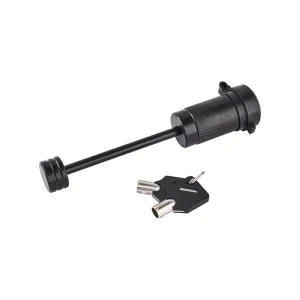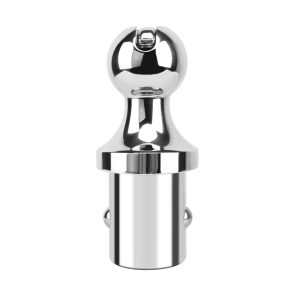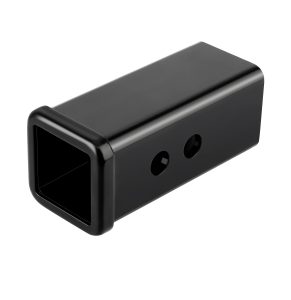
Hitch receiver adapters can be safe to use, yet drivers must strictly observe all weight‑rating limits. These practical accessories let a standard hitch receiver accept different‑size shanks. A bike rack adapter hitch, for example, is widely used for light‑duty cargo. Even so, adapters change real‑world towing dynamics. Added length shifts your load further rearward, past the vehicle rear bumper. This offset creates extra leverage stress on the vehicle frame, which lowers the allowable load rating. Very often, the tongue‑weight capacity gets cut in half. Operators need to recalculate adjusted ratings and thoroughly inspect all hardware to keep road travel safe.
Key Takeaways
- Hitch adapters commonly reduce tongue‑weight capacity by 50 %.
- Reducer sleeves largely preserve the factory frame strength.
- Anti‑rattle clamps secure metal components tight and eliminate wobble.
- Direct‑fit shanks remove loose intermediate joints for improved safety.
Capacity Risks of Hitch Receiver Adapters
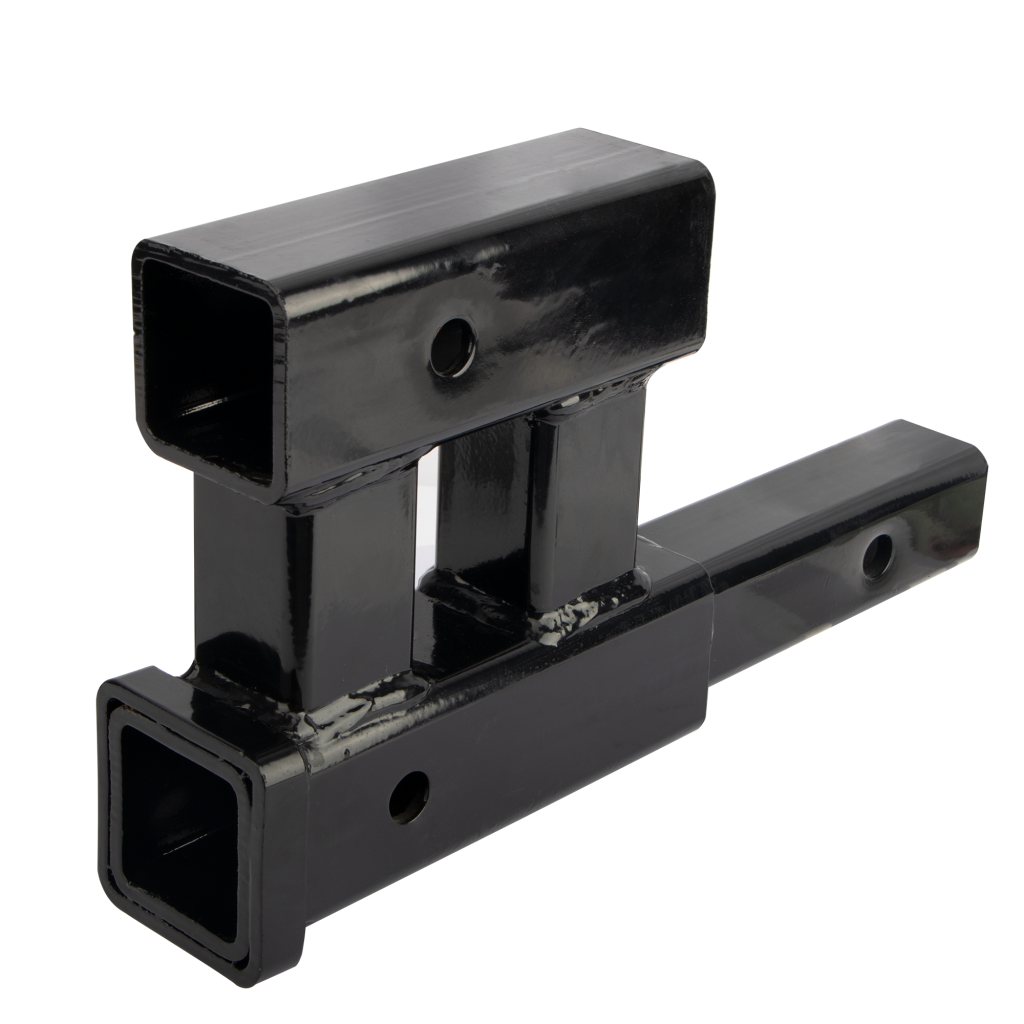
Towing hardware alters how your vehicle frame bears loads. People fit hitch receiver adapters to accommodate mismatched shank dimensions. Adding extra metal components reshapes the overall strength of the whole towing assembly.
Length Rules for Capacity Reduction
The physical length of an extender directly drives capacity loss. Short extenders under 12 inches bring an immediate 25 % drop in vertical tongue‑weight capacity once the shank is inserted.
Longer adapters create more serious safety concerns. Hitch extension adapters over 12 inches suffer a 50 % reduction in total hitch rating, caused by amplified leverage effect. Before hooking up heavy equipment, you have to work out these derated load figures.
Reducer Sleeves Versus Hitch Extenders
Different adapter types impact towing capacity in very different ways. Solid metal reducer sleeves sit inside the receiver tube and reduce the receiver opening dimension. These simple sleeves do not push the load rearward, so they remain suitable for regular‑load everyday use.
Hitch extenders move cargo well behind the rear bumper and introduce extra frame stress. Many users install a bike rack adapter hitch for spare‑tire mounting or bicycle gear. Extenders bring down weight ratings, while basic reducer sleeves retain most original‑spec strength.
Leverage and Tongue Weight Dynamics
Offset distance generates powerful leverage against hitch components. Shifting weight rearward works much like using a longer wrench. Road bumps multiply the force transmitted through this extended offset.
💡 Key Safety Tip: Multiply the original receiver tongue‑weight rating by the capacity‑reduction percentage to get your maximum safe working load.
This leverage quickly cuts down allowable tongue weight. Always verify actual tongue‑weight figures to prevent component failure. Reduced load ratings protect your vehicle frame against permanent damage.
Safety Risks of Using Receiver Adapters
Receiver adapters introduce specific on‑road risks that every driver should evaluate. By moving loads further away from the vehicle, they change handling characteristics and ramp up mechanical stress, which directly impacts road safety. Proper awareness helps you avoid severe crashes and total assembly breakdown.
Increased Sway and Vehicle Instability
Extended connections modify vehicle dynamics. A hitch receiver adapter moves attachments rearward, further away from the axle. Cross‑winds exert greater force on trailers, and road impacts deliver sharper shocks to the chassis.
Handling changes become obvious behind the wheel. Extensions increase turning radius behind the rear axle. Trailers swing out more during tight corners. Heavy loads pull hard on the frame, reducing front‑tire grip. Stopping distances grow substantially at higher speeds. Hard braking transfers weight forward, unloading the rear axle and lowering tire traction. Trailer push‑out can trigger dangerous jack‑knife situations.
| Towing Factor | Dynamics & Safety Consequences |
|---|---|
| Yaw Oscillations & Sway | Extenders increase side movements on rough roads. |
| Geometry & Leverage | Extenders widen turning radiuses past rear axles. |
| Mass-Effect & Stopping | High speeds cause longer stopping distances. |
| Braking Dynamics & Jack-knife | Sudden stops push trailers into jack-knife events. |
Play, Wobble, and Metal Fatigue
Every added joint introduces mechanical clearance. Reducer sleeves produce small gaps; extenders create slop inside receiver tubes. This clearance creates noticeable play. Repeated road vibration cycles stress metal parts continuously.
Persistent shaking inflicts real frame damage. Cyclic loading weakens hardened steel over time. Conduct regular hardware inspections to catch early failure signs:
- Visible cracks and distortion: bent, warped or cracked metal around weld zones
- Loose fit and enlarged holes: components rattle inside worn pin holes
- Hardware instability: bolts back out fast under heavy vibration
- Overload deformation: bent sections indicating excess stress
Bike rack adapter hitch units are prone to wobble. Unaddressed vibration accelerates metal fatigue, and steel components can fracture without advance warning.
💡 Critical Inspection Rule: Examine all steel hardware prior to every trip. Immediately replace any bent adapter to maintain safe operation.
Risks of Mismatched Towing Hardware
Mixing incompatible hardware creates weak links in your system. Factory‑rated hitches handle heavy loads reliably, yet fitting undersized adapters downgrades the whole assembly. Operators frequently overlook the new lower weight limits.
Precise hardware matching is non‑negotiable for safety. A bike rack adapter hitch redistributes load forces. Heavy cargo carriers exert downward pressure on shanks. Loose‑fitting pins slide within openings, and uneven loading may shear thin hitch pins. Always match all‑up load weight against your assembly’s de‑rated capacity.
Safe Towing Practices With Adapters
Select correct hardware and follow basic guidelines to avoid frame damage.
Use Anti-Rattle Reducers
Receiver‑tube gaps cause metal‑part bounce. Install anti‑rattle reducers to clamp components tight and eliminate road‑generated noise.
Practical hardware options:
- Anti‑tilt device: mounts at the hitch to stop movement and rattling
- Curt 18050 strap: heavy‑duty securing strap for stable cargo on the move
💡 Pro Tip: Tighten stabilizer bolts before departure to keep assemblies firm and quiet.
Upgrade Shanks for Better Safety
Reducer sleeves work fine for temporary jobs, but direct‑fit shanks deliver superior performance. Properly matched shanks reduce frame stress. A single‑piece solid shank eliminates extra intermediate joints entirely.
FTrade builds heavy‑duty trailer accessories and supplies durable shanks for fleet users, with custom sizing available. Swap out your bike rack adapter hitch and fit a full‑size shank to mitigate metal‑fatigue risks.
Follow New Lower Weight Limits
Weight ratings exist to protect your vehicle. Adapters alter leverage properties quickly; long extenders cut capacity by half.
Calculate safe load limits:
New Weight Limit = Original Tongue Capacity × 0.50
Example: a 500‑lb original rating drops to only 250 lb.
Weigh cargo, racks and all accessories together. Overloading bends metal when travelling over rough surfaces. Always honour the revised lower ratings.
Hitch receiver adapters offer great versatility for towing different equipment. Safety, however, depends on respecting reduced load capacities. Drivers must calculate and strictly follow these downgraded figures.
Eliminate slop before every road trip. Deploy anti‑rattle hardware to stop hazardous wobble. Where practical, replace a hitch adapter sleeve with a full‑size shank. This removes weak intermediate joints and delivers a rock‑solid connection.
💡 Final Recommendation: Double‑check total cargo weight and run tongue‑weight calculations before you drive away.
Always reference the base hitch receiver’s factory rating first for safe travel. Correct load calculations prevent frame damage, minimise trailer sway and protect your gear. Thorough preparation safeguards vehicle occupants as well as other road users.
FAQ
How much weight capacity do hitch extenders reduce?
Short extenders drop tongue weight limits by 25 percent. Longer extenders cut hitch power by half. Extra length creates strong force on car frames. Drivers must fix weight math before driving anywhere.
Are reducer sleeves safer than hitch extenders?
💡 Quick Fact: A reducer sleeve changes opening sizes without adding length.
Yes, a solid metal reducer sleeve is much safer. A hitch adapter sleeve does not push loads back. Hitch extenders move cargo far behind rear bumpers. Sleeves keep normal tongue weight limits better than extenders.
How do you stop a bike rack adapter hitch from wobbling?
Use anti-rattle tools or special clamps on your hitch. These tight tools lock metal parts very firmly together. They close all loose gaps inside receiver tubes completely. Tight clamping stops shaking and protects your gear everywhere.
When should drivers upgrade to a full-sized shank?
Use a full shank for big loads or long trips. Solid shanks fit receiver tubes without extra parts. They remove weak adapter joints from your system completely. One-piece shanks lower car stress and maximize total safety.