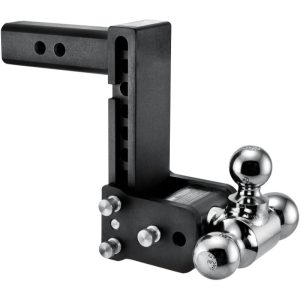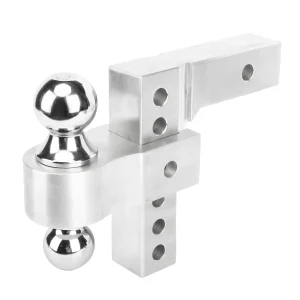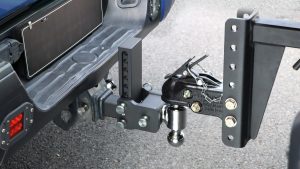
Quick answer: Yes — if you tow more than one trailer at different coupler heights. No — if you always tow the same trailer. An adjustable hitch trades extra upfront cost and routine cleaning for one-hitch flexibility.
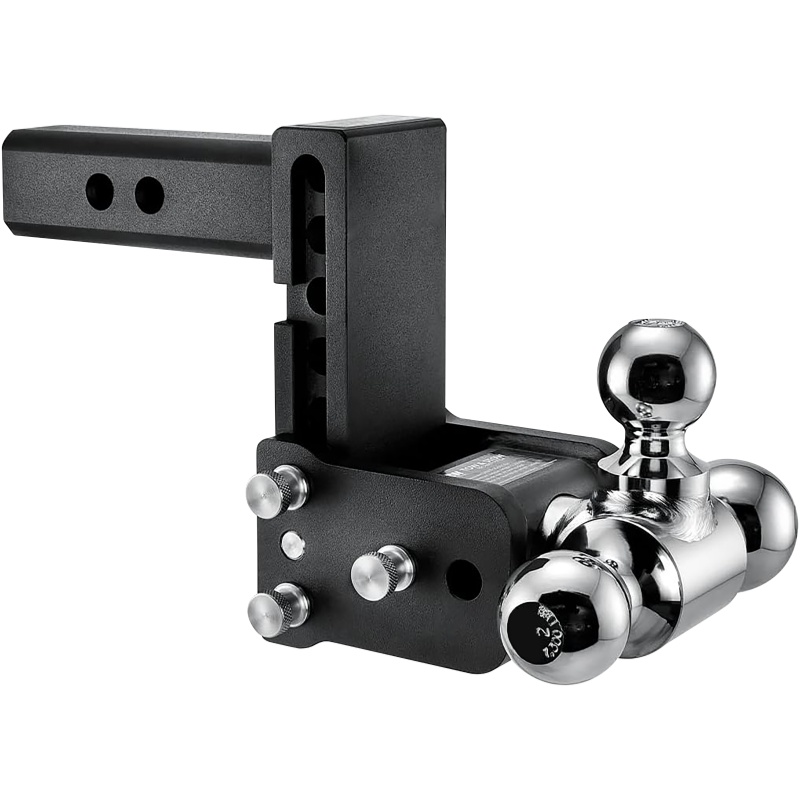
If you regularly tow more than one trailer, each with a different coupler height, yes — an adjustable trailer hitch is worth the extra cost. It lets you change ball height in seconds instead of swapping fixed ball mounts in the driveway. The trade-off is straightforward: higher upfront price, extra moving parts, and a few minutes of cleaning and lubrication per month. A standard fixed hitch costs less, has no moving parts, and works fine for anyone who always tows the same trailer.
In our experience on the factory floor, the buyers who end up happiest with adjustable hitches are the ones who tow at least two different trailers a week. The buyers who regret the purchase are the ones who tow one trailer, one weight, every weekend. The rest of this guide walks through how adjustable hitches work, where the real benefits show up, the downsides most owners actually face, and how to pick the right hitch class for your load.
Key Takeaways
- An adjustable hitch is worth it if you tow more than one trailer at different coupler heights.
- Fixed hitches cost less, have no moving parts, and need almost no maintenance.
- An adjustable hitch needs periodic cleaning and grease on the sliding channel, pin and lock.
- The hitch class sets the weight limit; the adjustment mechanism does not change GTW.
- A stowable design folds under the vehicle when not in use and prevents shin impacts.
How Adjustable Hitches Work
Height Adjustment Explained
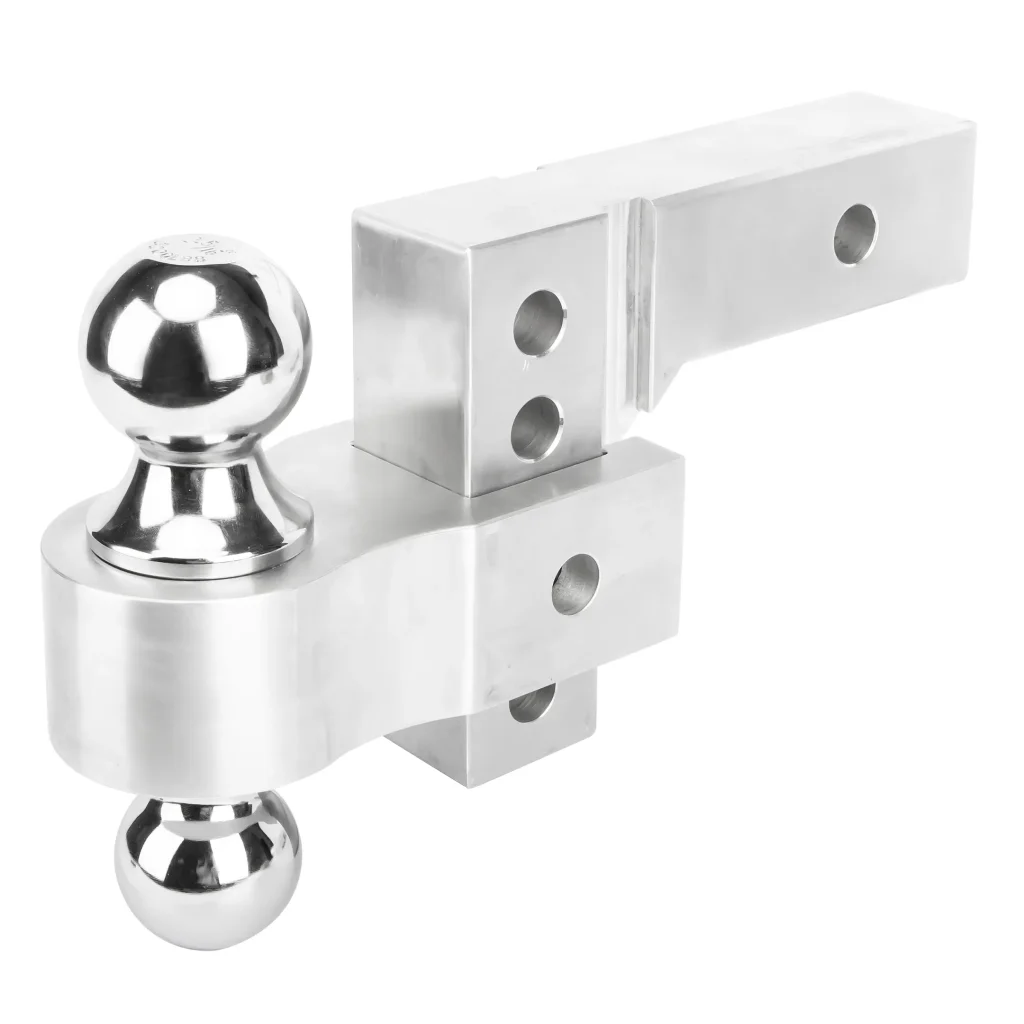
An adjustable hitch uses a shank with multiple pin holes or a sliding channel. That lets the ball mount move up or down so the trailer sits level regardless of the tow vehicle’s hitch height. The driver pulls the pin, slides the ball mount to the correct height and locks it back in place.
The adjustment range varies by model. Common OEM configurations in this category offer a 2-inch stepped adjustment (4, 6, 8 and 10 inch rise/drop options) on a 2″ or 2.5″ shank, rated up to 12,500 lbs GTW. Higher-end stowable designs allow continuous adjustment with a rotatable stowable structure that folds under the vehicle. Always cross-check the manufacturer’s range against your tallest and shortest coupler heights before you buy.
Fixed Vs Adjustable
A standard fixed drop hitch is set at one height and stays there. An adjustable unit lets you swap that fixed height for any height within its range. A quality adjustable hitch we supply ships with a forged steel or aluminum body, a stainless pin, and a salt-spray tested finish of 500+ hours. The right pick depends on how many trailers you actually pull.
Why An Adjustable Hitch Is Worth It
The CURT buyer’s guide gives a useful starting rule: an adjustable hitch makes sense if you tow different trailers with different coupler heights. If you always tow the same trailer, a fixed drop hitch saves you money. The rule is simple, and it holds in practice.
One Hitch, Multiple Trailers
Adjustable hitches let the driver change ball height fast. They remove the need to own separate ball mounts for each trailer. As one industry reference puts it:
“Adjustable ball mounts eliminate the need to switch out the ball mount or buy a new one for each vehicle or trailer.”
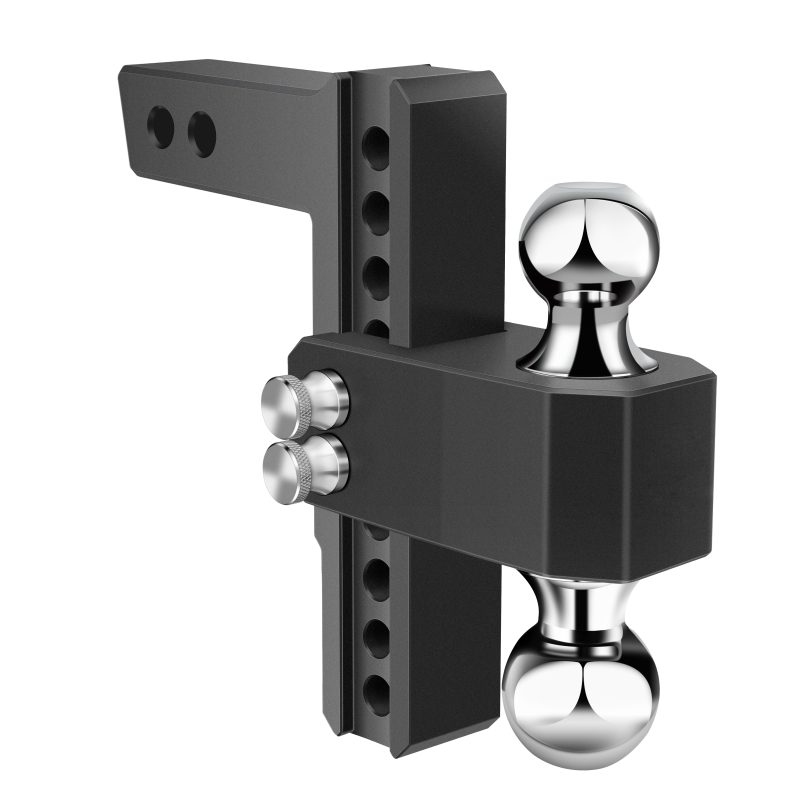
Instead of collecting a rack of fixed mounts, you buy one adjustable unit. That unit can move the ball above or below the receiver and may carry a dual ball (1-7/8″ + 2″) or a tri-ball (1-7/8″ + 2″ + 2-5/16″) for different coupler sizes. Many adjustable hitches also take accessories like adapters or extenders, so one hitch does the work of several fixed mounts:
- Adapt to many different towing setups with one hitch — no need to buy a separate mount per trailer.
- Raise or lower the ball easily when you swap between trailers of different coupler heights.
- Move the ball above or below the receiver with continuous or stepped adjustment.
- Pair with adapters and extenders for off-vehicle accessories like bike racks or cargo carriers.
For a driver who tows a boat, a utility trailer and a camper on different weekends, this one-hitch solution saves genuine time. Pull the pin, slide the ball mount to the right height, lock it. No more laying on concrete swapping parts at the launch ramp. That flexibility is the core reason adjustable hitches exist. If you want a single ball mount that pairs with multiple ball sizes and a drop range that spans your tallest and shortest couplers, this is the design that does the job.
Easier Hookups, Less Lubrication
Adjustable hitches also make single hookups easier. The driver raises or lowers the ball to match the trailer coupler height on the first try, which means fewer reverse-and-retry maneuvers. Many modern designs add a stowable feature, which solves a real complaint we hear from pickup owners: the long drop hitch that pokes out behind the bumper and bangs your shins.
As one manufacturer describes the stowable concept:
“The stowable adjustable trailer hitch rotates and folds underneath the vehicle when not in use, meaning no part protrudes from the receiver. This design prevents the common accidental impact of hitting one’s shin or knee against a traditional fixed hitch.”
Stowable adjustable designs are popular with RV owners and pickup drivers who use their truck as a daily driver. A standard drop hitch does not fold under the bumper, which is why stowable adjustable designs have become a category of their own on our product page.
Less wrestling, more driving
Adjustable hitches have more moving parts than a fixed mount, so they need a small amount of care. Apply a high-quality waterproof grease to the receiver tube, ball and sliding channel; use a dry lubricant on the locking pin so it doesn’t attract dirt. Owners who keep up with this routine report their adjustable hitch lasting many years of regular towing. A fixed drop hitch has no moving parts and almost zero upkeep, but it also does less. The extra two minutes of maintenance is the price of one-hitch flexibility.
The Downsides Of An Adjustable Hitch
More Parts To Lose Or Damage
An adjustable hitch carries more parts than a fixed mount. Pins, clips, sliding channels and locking mechanisms all add potential failure points. Each part can wear, bend or go missing. A lost pin can leave a driver stranded at the ramp; a bent channel can jam the ball mount at the wrong height. These downsides matter most for people who tow often or drive rough roads.
Some buyers worry that aluminum adjustable hitches may not hold up under heavy loads. A quality manufacturer addresses this with hardened steel pins, forged alloy bodies and corrosion-resistant e-coat or powder-coat finishes. Inspect every pin and clip before each trip regardless of material.
Pin Security And Cleaning
Pin security is a real safety concern. A standard hitch pin can slide out on a rough road or in a sudden stop. A locking pin with a keyed-alike system adds protection and reduces theft risk on job sites and campgrounds. Watch for difficulty locking or unlocking, excessive corrosion, bent pin shafts and worn locking mechanisms. A dust cap over the keyhole keeps dust, mud and road salt out of the cylinder.
Routine care keeps an adjustable hitch working. Wipe down the pin and lock after towing, especially in wet, salty or muddy conditions. Apply a graphite or silicone-based lubricant to the locking mechanism a few times a year to prevent rust and seizing. Skipping that step invites corrosion, and a jammed pin becomes a safety problem on the road. These downsides do not make the product a bad choice — they simply demand a few minutes of attention that a fixed hitch never asks for.
Towing Capacity And Hitch Class
Height Is Not Weight
A common mistake is assuming an adjustable hitch changes how much weight a towing setup can handle. It does not. Height adjustability and weight capacity are separate properties. An adjustable drop hitch that slides up and down still has a fixed weight rating. That rating comes from the hitch class, not the adjustment mechanism.
“Trailer hitches fall into classes based on how much they can tow and their receiver size. The higher the class number, the more weight it can tow and the stronger the receiver and mount assembly.”
Hitch Class Receiver Size Gross Trailer Weight (GTW) Class I 1.25″ Up to 2,000 lbs Class II 1.25″ or 2″ Up to 3,500 lbs Class III 2″ Up to 8,000 lbs Class IV 2″ Up to 10,000 lbs Class V 2.5″–3″ 12,000–20,000+ lbs
A drop hitch rated for Class III cannot pull a trailer that weighs more than 8,000 lbs, no matter where the ball sits vertically. The vehicle’s owner’s manual sets a separate ceiling — even the strongest hitch cannot exceed the tow vehicle’s rated limits. Always check both the hitch and the vehicle before loading.
Match Hitch To Load
Matching a hitch to the load requires several checks. The hitch must meet or exceed the trailer’s fully loaded weight. Tongue weight should stay at 10–15% of gross trailer weight for stable control. The vehicle’s towing capacity sets the ultimate limit. Receiver size alone does not determine class — a 2-inch receiver is not automatically Class III.
The lowest-rated component in the towing setup determines overall capacity. A Class III hitch paired with a Class II drawbar restricts towing to 3,500 lbs. For trailers over 50% of vehicle weight, a weight distribution system improves steering control and braking stability.
Who Should Buy An Adjustable Hitch
Best For Multiple Trailers
The drivers who benefit most are the ones who tow several different trailers in a normal month. From what we see on wholesale orders, the typical buyer fits one of these profiles:
· Contractors pulling equipment plus dump trailers.
· Landscapers moving mowers, chippers and utility trailers.
· RV owners hauling a camper plus a tow vehicle on a flatbed.
· Fleet operators standardising hitches across multiple trucks.
· Farm operators moving livestock, hay and grain trailers between fields.
A contractor who pulls a flatbed on Monday and a dump trailer on Friday needs an adjustable hitch because each trailer sits at a different coupler height. One adjustable unit handles both jobs without swapping parts. Look for multiple height settings, strong forged steel or aluminum build, a salt-spray tested finish, dual-ball compatibility, and a locking pin matched to your other fleet locks.
Fleet managers gain even more. Standardising one coupling system across a fleet cuts maintenance costs and makes spare parts easier to track. A wholesale manufacturer that supports OEM runs and mixed-container orders — like our factory, which also produces the matching adjustable ball mounts and tow-and-stow trailer hitches in matched dimensions — can build a fleet program around one platform.
When A Fixed Hitch Wins
A fixed drop hitch is the better choice for a different driver. This person tows the same trailer every time. The coupler height never changes. The load stays the same. A standard drop hitch costs less, has fewer parts, and needs almost no care. That driver should save the money and skip the adjustable model.
Tongue weight rules apply to both groups. A single-axle trailer needs 10–15% of its gross trailer weight on the tongue; a tandem-axle trailer needs about 8%. Staying inside those ratings lowers the chance of sway and keeps steering stable.
The choice comes down to towing habits. A driver who needs flexibility and will care for the gear should buy an adjustable trailer hitch. A driver who tows one trailer and wants low cost with no maintenance should stay with a fixed mount. Neither choice is wrong. Each one matches a different towing setup.
The bottom line
Adjustable hitches provide real versatility for drivers who tow multiple trailers, at the cost of more parts and routine cleaning. The correct choice depends on your towing habits, not on any single product feature. Verify your hitch class and weight capacity before you buy, match the ball size to the coupler, and pick a design you’ll actually maintain. An adjustable trailer hitch works well for those who need the flexibility. A fixed option suits everyone else. For OEM and bulk enquiries across adjustable hitches, ball mounts and stowable hitches, our team is happy to spec the right configuration for your market.
FAQ
Do adjustable hitches cost more than fixed ones?
Yes. An adjustable hitch costs more upfront than a standard drop mount. The extra cost covers the sliding channel, locking pins and multiple height settings. Drivers who tow one trailer at one height save money with a fixed option. Drivers who tow several trailers gain value from one adjustable unit.
How often should a driver inspect an adjustable hitch?
Inspect the hitch before every trip. Look for bent pins, worn locking mechanisms and corrosion. Wipe the pin and lock clean after towing in wet or salty conditions. Apply graphite or silicone lubricant a few times a year. Regular care prevents seizing and keeps the towing setup safe.
Can an adjustable hitch handle any trailer weight?
No. Height adjustability does not change weight capacity. The hitch class sets the limit. A Class III hitch handles up to 8,000 lbs; a Class V handles 12,000 to 20,000+ lbs. Match the hitch class to the trailer’s gross weight and to the tow vehicle’s rating.
Is a locking pin necessary for an adjustable hitch?
A locking pin adds security. A standard pin can slide out on rough roads or be removed for theft. A keyed locking pin prevents both. Check for difficulty locking, excessive corrosion and worn mechanisms. A dust cap over the keyhole keeps dirt out and extends pin life.