Disclosure: This guide is published by the Towing-Hardware Engineering Team at FTrade (Ningbo Fortune Time International Trade Co., Ltd., Ningbo, China, in business since 1988). We manufacture aluminium tow hitches, ball mounts, couplings and trailer locks for distributors and brands worldwide, and the product links below point to our own catalog. The technical guidance is drawn from our own production practice and is intended to help buyers evaluate suppliers — it is not a substitute for vehicle manufacturer specifications.
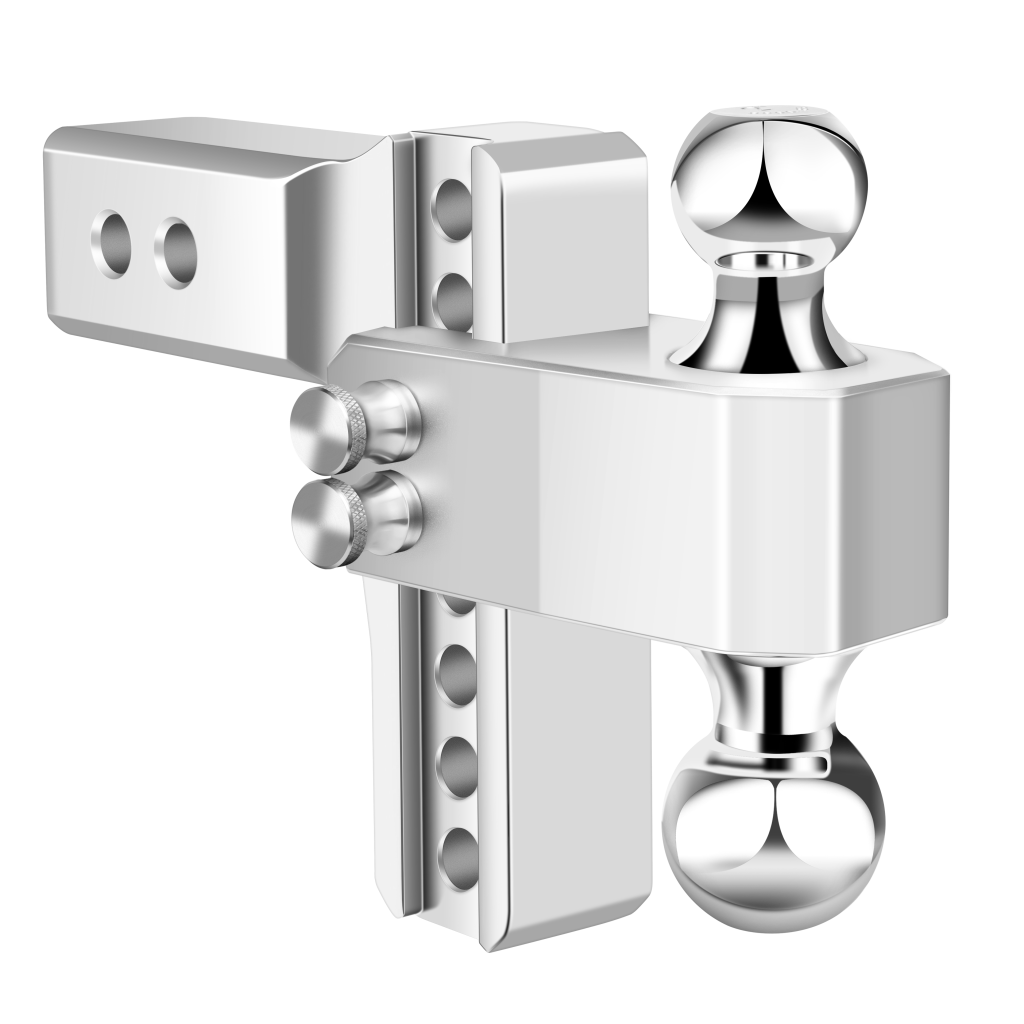
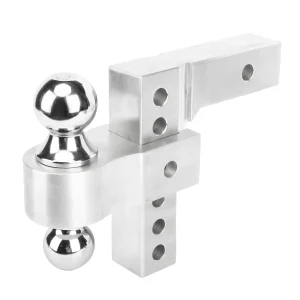
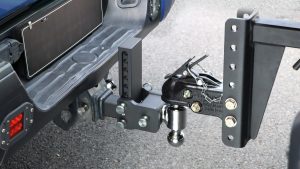
Yes — aluminium tow hitches are safe when they are correctly designed, properly rated, and regularly maintained. Every certified unit on the market meets the SAE J684 standard, which sets the minimum bar for trailer coupling strength, fatigue life, and impact resistance in North America. To compare the aluminium tow hitches we ship against steel units and other configurations, see our full product range. On our shop floor we see the same pattern year after year: the hitches that fail are the ones that owners never greased or pushed past their gross trailer weight (GTW) rating. This guide shows you how aluminium compares with steel, why lubrication matters more than most buyers realise, and the monthly checks that keep a hitch safe for the long haul.
Key Takeaways
- Pick an aluminium tow hitch that is SAE J684-certified and stamped with a V-5 conformance mark.
- Grease every moving contact point monthly — galling is the #1 failure mode we see on aluminium hitches.
- Never exceed the GTW rating stamped on the hitch body; aluminium cracks faster than steel once that limit is passed.
- Inspect the kingpin–jaws interface, the hitch ball, and the safety chains before every towing season.
- Aluminium wins on weight (≈40% lighter than steel) and corrosion resistance, but it loses on fatigue — that trade-off is what good maintenance solves.
Fifth Wheel Hitch Safety: Aluminum vs. Steel
Buyers often default to steel because they assume harder equals safer. Material matters, but it is not the only variable — load rating, engineering design, build quality, and the finishing system all decide how a hitch performs in the field. A well-engineered aluminium tow hitch can match a comparable steel unit on every safety metric that matters.
Strength Ratings and Real-World Load Limits
Steel does have higher absolute tensile strength and better fatigue resistance. Modern 6061-T6 and 7000-series aluminium alloys close most of that gap through geometry — thicker walls, internal ribs, and forged shapes that distribute stress across a wider area. The end result is a hitch that carries the same GTW stamp as its steel cousin.
The two metals also fail differently under overload. Steel tends to bend and warp before it breaks — a ductile failure that gives the driver warning. Aluminium is more brittle: once a crack initiates, it propagates quickly. That difference is the single biggest reason load management matters on aluminium.
| Material | Failure Mode under Overload |
| Steel | Ductile bending; resists crack formation and prefers to bend. |
| Aluminium | Brittle cracking; once a crack starts, it grows rapidly and failure follows. |
That gap makes load discipline non-negotiable. Every hitch carries a maximum GTW rating — for aluminium units in the light-truck class this typically tops out around 14,500 lb GTW with a 2,200 lb tongue weight, which is the same envelope as a comparable steel hitch. Stay under the rating and the failure modes are equivalent in practice.
How Manufacturing Standards Ensure Reliability
Industry standards put a floor under every hitch that ships. SAE J684 is the primary standard for trailer couplings, hitches, and safety chains in North America, with strict requirements on impact resistance, fatigue life, and overall durability.
| Testing Aspect | Details |
| Industry Standard | SAE J684 — strict requirements for impact resistance, fatigue, and overall performance. |
| Test Simulation | Simulates years of real towing: sudden stops, rough roads, heavy loads. |
| Fatigue & Load Testing | Thousands of stress cycles to validate a lifetime of towing. |
| Real-World Ratings | Aluminium hitches can match steel: some aircraft-grade units rated at 14,500 lb GTW and 2,200 lb tongue weight. |
| Certification Mark | V-5 conformance stamp on the hitch body, plus SAE J684 documentation. |
These tests keep every certified aluminium tow hitch within safe limits. Each unit passes thousands of stress cycles that simulate years of heavy towing. Only products that pass every rule carry the V-5 / SAE J684 mark.
Manufacturing method also sets the ceiling on strength. High-strength aluminium hitches come from a defined process:
· Forming: Stamping, forging, or extrusion shapes the part to exact dimensions and consistent quality.
· Heat Treatment: Controlled heating and cooling cycles raise hardness and wear resistance.
· Surface Finishing: E-coat and galvanised layers resist salt spray and slow corrosion.
These steps give aluminium the structural margin needed for daily towing. Extrusion and forging raise tensile strength without the rust problems that come with steel.
The makers worth buying from run strict batch-level QC: incoming material checks, in-process dimension checks, and final surface checks. That steady approach keeps reliability uniform across every unit that leaves the floor. A certified aluminium tow hitch from such a maker gives dependable service for years, as long as the rating is right for the job.
Why Lubing My Fifth Wheel Trailer Is Crucial
Preventing Friction, Wear, and Binding
Every tow hitch is under heavy load when a trailer is in motion. The kingpin slides against the skid plate. The jaws grip the kingpin. Pivot points rotate through every turn. All of these contact surfaces need regular lubrication to stay safe — and on aluminium, that interval is shorter than on steel.
Without grease, friction builds fast. Two bare metal surfaces rub directly, heat builds, and the protective oxide layer on aluminium breaks down. Once that oxide layer is gone, the base metals can form electron bonds and the parts effectively weld themselves together. Separating them again requires cutting tools. This destructive process is called galling or seizing, and aluminium is especially prone to it. A simple layer of grease between the surfaces stops it cold.
The risk applies to every aluminium tow hitch, regardless of finish. Corrosion-resistant coatings — multi-layer E-coat and galvanised finishes from FTrade, for example — slow surface rust, but they do not replace the need for grease. Lubricant is the only thing that physically separates the metal surfaces and prevents galling. Treating the monthly greasing step as non-optional is what separates a hitch that lasts a decade from one that seizes up in a season.
Achieving Smooth Maneuvering and Turning
Grease also makes turning feel predictable. A well-lubricated hitch lets the trailer pivot freely, so the driver can swing into a tight site without fighting the connection. Without grease, the hitch binds during turns — jerky movements that put shock loads on the towing system and wear the kingpin prematurely.
A high-quality, water-resistant grease stays in place under load and through temperature swings. Monthly application keeps the pivot mechanism working as designed, and on a fifth-wheel-style aluminium tow hitch the difference between greased and dry is the difference between effortless turns and dangerous binding. Drivers who build the monthly grease routine into their pre-trip walk-around notice the difference after the first cycle — turns feel smooth, the truck–trailer connection stays stable, and the hitch runs quieter on long hauls.
The rule is simple: inspect and re-grease all moving contact points every month. Skipping a cycle lets wear accumulate faster than most owners expect, and once a hitch starts binding, the only fix is usually a replacement head.
Regular Maintenance for Your Fifth Wheel Hitch
Cleaning, Inspecting, and Reapplying Grease
A regular service routine starts with a deep clean. Old grease, road grime, and dust hide cracks and wear on metal surfaces, so a clean hitch is the only way to spot problems early. Skip inspection and a small kingpin–jaw gap can grow into a trailer separating from the tow hitch on the highway. A skid plate that loses its lubrication film lets friction spike, and truck–trailer movement turns uneven. Minor looseness, caught at the monthly check, is usually a quick re-torque. Ignored, it grows into a rail or bracket replacement. Excessive play, clunking, and vibration are the warning signs that you have lost margin.
The cleaning sequence is straightforward:
· Wash the housing and undercarriage with mild soap and water. Scrub away stuck-on grime on every metal surface.
· Inspect the frame, axles, mounting points, and wiring for cracks or visible wear. Fix any damage as soon as it appears.
· Dry every surface thoroughly. Apply a wax or protective coating where the finish has worn.
· Apply fresh waterproof grease to the moving parts. Wipe away old residue before adding new lubricant.
Re-greasing is the heart of the routine. It lowers friction between metal surfaces and stops galling on the kingpin, the jaws, and every pivot point. Check those contact areas every month. Without that interval, wear accelerates and performance drops, and the hitch reaches end-of-service much earlier than its design life. On aluminium tow hitches — and especially the trailer couplings used in fifth-wheel setups — the grease interval is the single biggest factor in service life.
Building a Monthly Towing Safety Check
A monthly routine builds confidence in the towing setup. The inspection covers the parts that actually carry load:
| Inspection Item | What to Check |
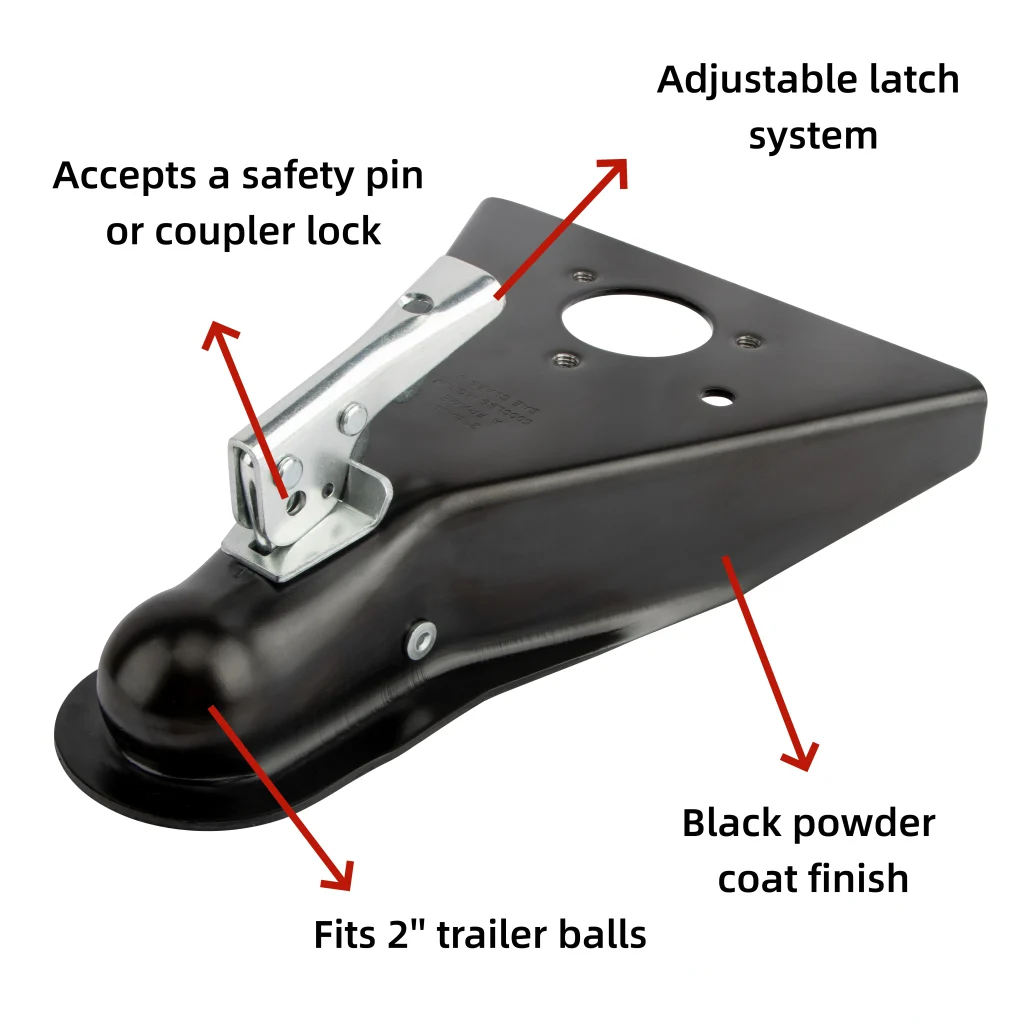
| Coupler Mechanism | Look for cracks or bending; confirm the latch moves freely and locks tight; apply a light coat of grease inside the coupler. |
| Hitch Ball | Check for wear, pitting, or rust; confirm it is torqued to the spec stamped on the shank. |
| Safety Chains | Inspect every link for wear, cracks, or bending; confirm hooks and latches work; chains should cross under the coupler with enough slack for tight turns. |
A written record turns each check into evidence you can show an insurer or a buyer. Note the date, what you inspected, and any repairs. This habit builds trust in the equipment and creates a maintenance history that adds resale value. An aluminium tow hitch that receives a regular monthly service delivers reliable performance trip after trip — and consistent maintenance is the cheapest insurance you can buy for both vehicle and trailer. To keep the trailer itself secure while it sits, pair the inspection with a check on your trailer locks and hitch locks — a seized lock is just as dangerous as a seized hitch.
Aluminum’s Towing Advantages: Weight and Corrosion
Boosting Payload and Fuel Efficiency
Weight has a measurable effect on towing performance. Aluminium is roughly 40% lighter than steel at the same dimensions. That gap shows up directly at the scale and on the road.
A lighter aluminium tow hitch leaves more of the vehicle’s payload budget for cargo. Every pound saved on the hitch is a pound you can carry. Owners who tow heavy loads with smaller trucks feel this most. The engine and drivetrain work less to move the same trailer, which lowers fuel use on long hauls and adds up over a season.
The weight advantage also improves handling. A lighter hitch puts less stress on the truck’s suspension and brakes. Towing feels more settled, especially on winding roads or during emergency stops. These gains come without sacrificing load capacity, because certified aluminium hitches carry the same GTW rating as their steel equivalents.
Long-Term Durability in Harsh Environments
Rust is what ends steel hitches early. Aluminium fights corrosion naturally — it forms a thin oxide layer on the surface that blocks moisture and road salt from reaching the base metal. The material holds up in rain, humidity, and coastal air without the flaking and pitting you see on bare steel.
Quality makers add extra protection with multi-layer E-coat and galvanised finishes. These coatings provide reliable resistance against saltwater and winter road treatments. Owners who launch boats near the ocean or tow through snowy regions get years of service from these hitches.
Maintenance still matters on any hitch, regardless of material. Coatings protect the surface, but moving parts need grease and regular checks. A well-cared-for aluminium tow hitch delivers dependable performance season after season. The combination of natural corrosion resistance and a quality finish makes aluminium a smart choice for harsh towing environments.
Aluminium tow hitches deliver safe towing when owners pick certified brands and keep up with maintenance. Three pillars hold up hitch safety: choose the right weight rating and never exceed it, grease the hitch monthly to stop friction and binding, and inspect every contact point on a fixed monthly cycle. Owners who follow this plan extend equipment life and ensure reliable towing for many seasons. Check the manual, apply grease often, and never push past the gross trailer weight rating. These habits protect the investment. Ready to spec the right hitch for your next trailer?
FAQ
Can owners repair a damaged aluminium tow hitch?
No. Owners should never weld or straighten an aluminium tow hitch on their own. Structural damage weakens the metal in ways that are hard to see. A damaged hitch should be replaced with a new certified unit.
How does weather affect lubrication needs?
Hot and cold weather change how thick grease is, and moisture in the air accelerates corrosion. In extreme climates, check and top up grease more often than the monthly baseline.
What is the lifespan of an aluminium tow hitch?
Service life depends on load discipline and maintenance frequency. A well-maintained aluminium tow hitch can last many years with monthly inspections. Routine care is what prevents sudden failures.
How can owners verify SAE J684 certification?
Check the product body for the V-5 / SAE J684 stamp. Reputable manufacturers provide certification documents on request. If you cannot find the mark, ask the maker before you buy.